✔ Free Shipping Above ₹499. ✔ COD Available. 👉 Sign Up Now & Get Upto ₹1000. 👈

How Lifestyle Diseases in India Are Prevented Using Ayurveda


India is experiencing a major shift in its health landscape. Alongside infectious diseases, the country is facing a growing burden of non-communicable diseases (NCDs) such as diabetes, hypertension, cardiovascular disease, obesity, certain cancers and chronic respiratory conditions. These illnesses are often associated with a combination of genetic, environmental and lifestyle factors, including unhealthy diets, physical inactivity, tobacco and alcohol use.
In this changing environment, Ayurveda offers a preventive and lifestyle-oriented approach to health. Rather than focusing only on treating disease after it develops, Ayurveda places considerable emphasis on maintaining health through appropriate food, daily routines, physical activity, sleep, mental balance and individualized practices.
This does not mean Ayurveda should replace evidence-based medical diagnosis or treatment. Instead, its lifestyle principles can be considered as part of a broader preventive-health strategy, particularly when combined with regular medical screening and appropriate modern healthcare.
Understanding Lifestyle Diseases in India
Lifestyle diseases are chronic health conditions influenced substantially by the way people live. Rapid urbanization, sedentary occupations, long working hours, processed foods, inadequate sleep, stress and reduced physical activity can all contribute to an unfavorable health environment.
The World Health Organization identifies four major behavioral risk factors for NCDs: unhealthy diet, physical inactivity, tobacco use and harmful alcohol use.
Common lifestyle-related conditions include:
- Type 2 diabetes
- High blood pressure
- Obesity and overweight
- Cardiovascular disease
- Stroke
- Some forms of cancer
- Chronic respiratory diseases
- Metabolic disorders
- Certain digestive disorders
The challenge is particularly important in India because traditional eating and activity patterns are changing rapidly. Modern convenience foods are increasingly energy-dense and can contain high amounts of fats, free sugars and sodium. WHO India notes that changing dietary patterns associated with urbanization and modern lifestyles can affect healthy-diet consumption and NCD risk.
This is where prevention becomes extremely important.
Ayurveda’s Preventive Philosophy on Lifestyle Diseases in India
One of the fundamental ideas associated with Ayurveda is that maintaining health is as important as treating illness. The Delhi Directorate of AYUSH describes Ayurveda’s preventive objective through the classical concept of “Swasthasya Swasthya Rakshanam”, meaning preservation of the health of a healthy person.
Ayurveda approaches health through multiple dimensions, including:
- Ahara – appropriate food and nutrition
- Vihara – lifestyle and activities
- Dinacharya – daily routine
- Ritucharya – seasonal routine
- Nidra – healthy sleep
- Vyayama – physical activity
- Manasika Swasthya – mental and emotional wellbeing
- Individual constitution and lifestyle considerations
The objective is not simply to recommend one herb or one therapy. Instead, Ayurveda encourages an overall pattern of living that supports physical and mental wellbeing.
This approach has significant relevance to lifestyle-disease prevention because many NCD risk factors are themselves related to everyday behavior.
1. Ayurveda and Healthy Eating
Diet is one of the most important components of lifestyle-disease prevention.
Ayurveda places considerable importance on appropriate food selection, quantity, timing and digestion. The concept of Ahara encourages people to pay attention not only to what they eat but also to how and when they eat.
From a modern public-health perspective, a healthy diet should contain a variety of nutrient-rich foods, including vegetables, fruits, legumes, whole grains and appropriate protein sources. WHO similarly recommends dietary diversity and emphasizes the importance of healthy food patterns for reducing NCD risk.
An Ayurvedic-inspired dietary pattern can therefore emphasize:
- Seasonal fruits and vegetables
- Whole grains and traditional cereals
- Pulses and legumes
- Nuts and seeds in appropriate quantities
- Adequate hydration
- Freshly prepared meals
- Moderation in highly processed foods
- Appropriate portion sizes
- Reduced excessive intake of sugar, salt and unhealthy fats
Traditional Indian foods such as dal, vegetables, millet-based preparations, whole grains and seasonal fruits can fit naturally into a balanced modern diet.
However, Ayurveda should not be interpreted as meaning that every traditional food is automatically healthy. Quantity, preparation method and individual nutritional requirements matter.
2. Managing Obesity Through Lifestyle
Obesity is one of the important risk factors associated with several chronic conditions, including type 2 diabetes, cardiovascular disease and hypertension.
The Indian government has highlighted obesity as an important public-health concern and has described Ayurvedic approaches involving dietary guidance, lifestyle modification and yoga as part of broader approaches to weight management.
Ayurvedic lifestyle principles can encourage people to:
- Avoid unnecessary overeating.
- Maintain regular meal patterns.
- Choose nutrient-dense foods.
- Stay physically active.
- Avoid excessive sedentary behavior.
- Maintain adequate sleep.
- Develop sustainable daily routines.
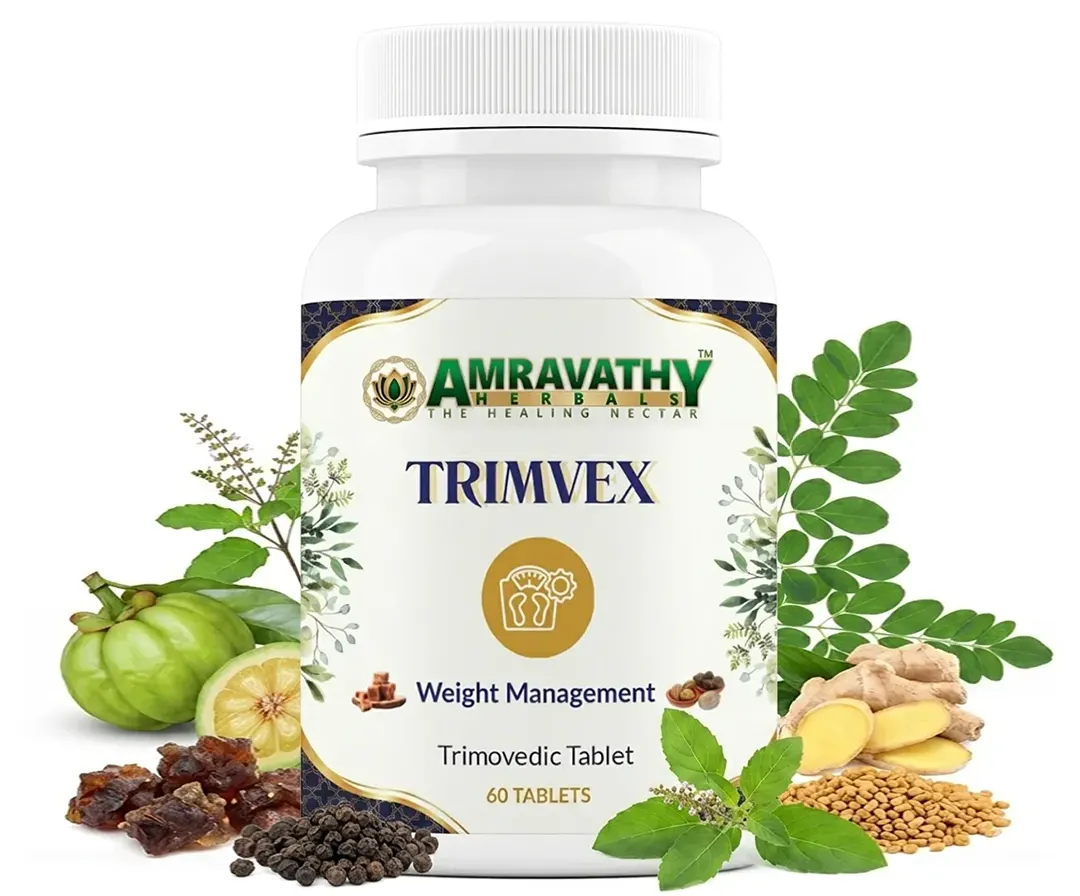
Trimvex Weight Management Tablets – Ayurvedic Formula for Fat Loss, Metabolism & Appetite Control (60 Tablets, 550mg)
Amravathy Herbals Trimvex Weight Management Tablets is an advanced Ayurvedic weight management formula designed to support healthy fat metabolism, control appetite, and maintain optimal lipid levels. Enriched with powerful herbs like Shuddha Guggul, Amla, Harad, and Ginger, it helps improve digestion and promote overall wellness naturally.
The important point is that weight management cannot depend on a single herbal product. Sustainable weight control requires an appropriate calorie balance, physical activity, sleep, behavioral changes and, when necessary, professional medical care.
Ayurveda can potentially contribute to this lifestyle framework through individualized dietary and routine recommendations.
3. Ayurveda, Exercise and Physical Activity
Modern lifestyles often involve prolonged sitting. Office workers may spend several hours at computers, while commuting and digital entertainment can further reduce daily movement.
Ayurveda traditionally recognizes Vyayama, or physical exercise, as part of maintaining health.
In practical modern life, this can translate into:
- Walking
- Yoga
- Stretching
- Strength training
- Cycling
- Swimming
- Other enjoyable physical activities
Yoga can be particularly relevant because it combines physical movement with breathing and relaxation practices.
The goal should be consistency rather than extreme exercise. A person who gradually incorporates regular physical activity into everyday life is more likely to sustain the habit.
For people with existing medical conditions, exercise intensity should be appropriate to their health status and, where necessary, discussed with a healthcare professional.
4. Daily Routine and Dinacharya
One of Ayurveda’s most recognizable lifestyle concepts is Dinacharya, or a structured daily routine.
Modern research increasingly recognizes the importance of regularity in areas such as sleep, physical activity, nutrition and stress management.
An Ayurvedic-inspired daily routine may include:
- Waking at a consistent time
- Maintaining personal hygiene
- Regular meals
- Daily physical activity
- Appropriate work-rest balance
- Relaxation or meditation
- Consistent sleep timing
A structured routine can be especially valuable in today’s environment, where irregular meals, late-night screen use and prolonged work hours are common.
The Ministry of AYUSH and its research bodies have also promoted Ayurvedic dietary and lifestyle guidance in the context of prevention and management of lifestyle disorders.
5. Sleep and Lifestyle Disease Prevention
Sleep is frequently overlooked when discussing lifestyle diseases.
Poor sleep can affect appetite regulation, mood, energy levels and daily functioning. Chronic sleep problems can also interact with metabolic and cardiovascular health.
Ayurveda gives importance to Nidra, or sleep, as an essential component of health.
A practical sleep routine may involve:
- Going to bed at a consistent time
- Limiting unnecessary screen exposure before bedtime
- Avoiding very heavy meals immediately before sleep
- Creating a comfortable sleeping environment
- Managing stress before bedtime
- Maintaining regular daytime physical activity
Sleep should be viewed as part of a complete lifestyle rather than an isolated health practice.
6. Stress Management and Mental Wellbeing
Stress has become an important part of modern urban life. Work pressure, financial concerns, social responsibilities and constant digital connectivity can contribute to psychological strain.
Ayurvedic and yogic traditions emphasize the relationship between mental and physical wellbeing.
Practices such as:
- Meditation
- Yoga
- Pranayama
- Mindful breathing
- Relaxation techniques
- Time in nature
- Maintaining social connections

Sea Buckthorn Juice with Amla, Aloe Vera, Ashwagandha & Turmeric – Immunity Booster
Boost your daily wellness with Amravathy Herbals Sea Buckthorn Juice, a powerful blend of antioxidants and Ayurvedic herbs like Amla, Aloe Vera, Ashwagandha, and Turmeric. Designed to support immunity, digestion, skin health, and overall vitality—all in a sugar-free formula.
may support relaxation and emotional wellbeing.
These practices should not be presented as cures for psychiatric or medical disorders. People experiencing persistent anxiety, depression or other significant symptoms should seek qualified professional care.
However, stress-management practices can be valuable components of a broader healthy lifestyle.
7. Ayurveda and Cardiovascular Health
Cardiovascular diseases are among the most important NCDs globally and in India.
Prevention focuses heavily on modifiable risk factors such as:
- High blood pressure
- Smoking
- Unhealthy diet
- Physical inactivity
- Obesity
- High cholesterol
- Excessive alcohol consumption
Ayurvedic lifestyle principles can complement these preventive objectives by encouraging healthier food habits, regular activity, stress management and disciplined routines.
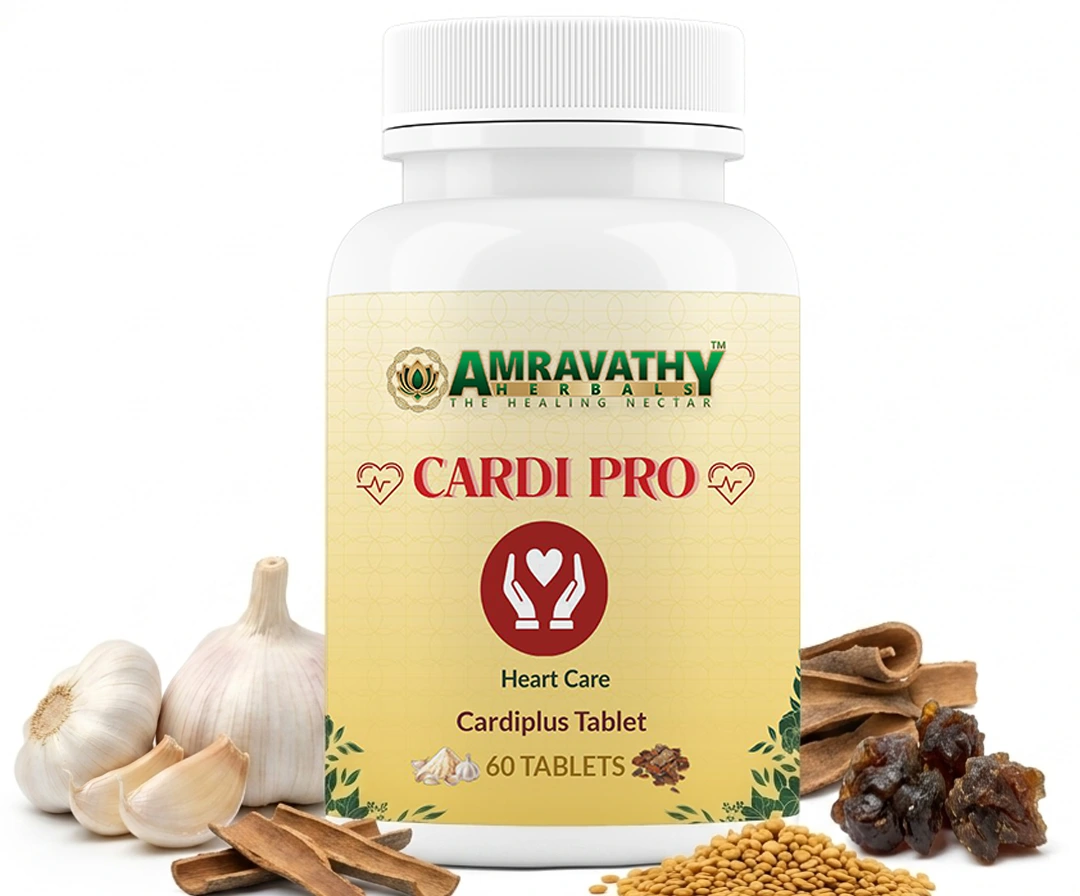
Cardi Pro Heart Care Tablets | Natural Cardiac Support | Cholesterol & Blood Pressure Management
Amravathy Herbals Cardi Pro Heart Care Tablets are a powerful herbal formulation designed to support cardiovascular health naturally. Enriched with Arjuna, Garlic, Guggul, and other Ayurvedic ingredients, it helps strengthen heart muscles, regulate cholesterol levels, and maintain healthy blood pressure.
The Central Council for Research in Ayurvedic Sciences (CCRAS) has published an Ayurveda-based diet and lifestyle guideline for prevention of cardiac disorders, demonstrating the growing institutional interest in applying Ayurvedic principles to preventive cardiovascular health.
Importantly, people with hypertension, heart disease or abnormal cholesterol should continue appropriate medical monitoring and prescribed treatment. Ayurvedic approaches should not be used as a reason to discontinue evidence-based medicines without medical supervision.
8. Diabetes Prevention and Metabolic Health
Type 2 diabetes is closely connected with metabolic health, body weight, physical activity and dietary patterns.
Ayurvedic approaches to metabolic health often focus on:
- Dietary discipline
- Appropriate physical activity
- Weight management
- Regular daily routines
- Digestion and metabolic balance
- Stress management
The Indian Ministry of AYUSH has also developed guidance related to metabolic disorders and obesity.
However, it is essential to distinguish between prevention/support and treatment claims.
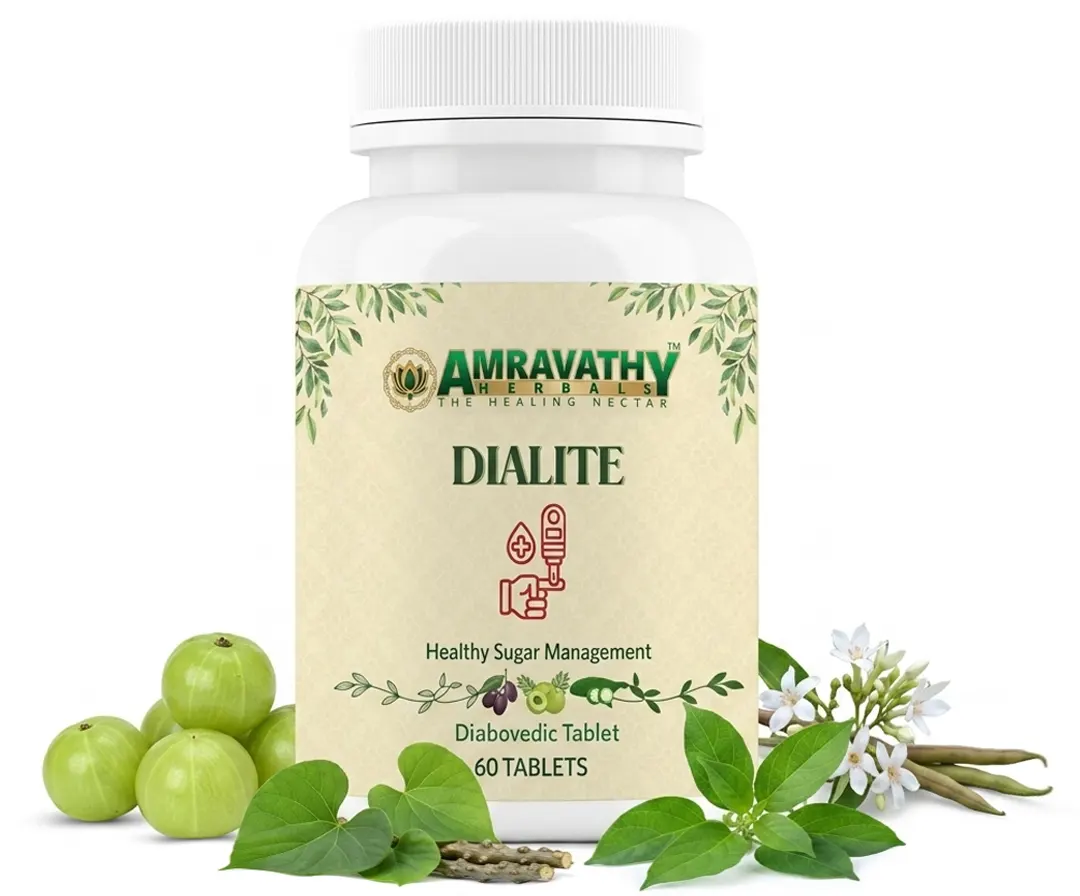
Dialite Blood Sugar Management Tablets | Supports Glucose Metabolism & Insulin Sensitivity (60 Tablets)
Amravathy Herbals Dialite Blood Sugar Management Tablets is an Ayurvedic formulation designed to support healthy blood sugar levels, improve glucose metabolism, and enhance insulin sensitivity. Enriched with powerful herbs like Amla, Gudmar, Karela, and Jamun, it helps maintain overall metabolic balance naturally.
People with diabetes require appropriate blood-glucose monitoring, medical evaluation and individualized treatment. Herbal preparations should not automatically be assumed to be safe or effective simply because they are described as natural.
Evidence regarding individual Ayurvedic medicines varies considerably, and more high-quality clinical research is needed for many interventions.
9. Seasonal Living Through Ritucharya
Another Ayurvedic concept relevant to preventive health is Ritucharya, or adapting lifestyle and diet according to seasonal changes.
India experiences significant seasonal variation across regions. Dietary preferences, physical activity and hydration requirements can change with weather.
Seasonally appropriate habits may include:
- Eating locally available seasonal foods
- Maintaining adequate hydration during hot weather
- Adjusting activity levels according to climate
- Maintaining appropriate sleep routines
- Paying attention to changing environmental conditions
The underlying idea is simple: health habits should adapt to the environment rather than remain completely rigid throughout the year.
10. The Role of Herbs and Ayurvedic Preparations
Herbs are an important part of Ayurveda, but they should be approached carefully.
Ayurvedic literature includes numerous herbs and formulations traditionally used for different purposes. Modern research is investigating several of these substances for potential antioxidant, metabolic, anti-inflammatory and other biological effects.
However, laboratory activity does not automatically prove clinical effectiveness in humans.
For example, a 2023 publication discussing Chyawanprash and NCDs was a protocol for a systematic review and meta-analysis, rather than definitive proof that Chyawanprash prevents NCDs.
Similarly, a 2025 systematic review examining Ayurveda for NCD management found interest in Ayurveda’s holistic approach but also highlighted challenges involving evidence, integration, regulation and access.
Therefore, Ayurvedic herbs should ideally be selected with guidance from a qualified practitioner, particularly for people taking prescription medicines or living with chronic conditions.
11. Ayurveda and Modern Preventive Healthcare
The most useful approach may not be to view Ayurveda and modern medicine as competing systems.
Modern medicine provides powerful tools for:
- Blood pressure measurement
- Blood glucose testing
- Cholesterol testing
- Cancer screening
- Imaging
- Laboratory diagnosis
- Emergency treatment
- Evidence-based medications
- Surgical procedures
Ayurveda can contribute lifestyle-oriented perspectives involving diet, daily routine, physical activity, relaxation and individualized wellness.
An integrative preventive-health model can therefore combine appropriate elements of both systems.
This is particularly important because prevention requires more than medication. It requires people to change everyday behaviors and sustain those changes over many years.
A Simple Ayurvedic-Inspired Lifestyle Plan
For an average healthy adult, a practical preventive routine could look like this:
Morning
Start the day at a consistent time. Practice personal hygiene and spend some time on gentle movement, yoga, walking or breathing exercises.
Breakfast
Choose a balanced meal rather than highly processed foods. Include appropriate protein, whole grains, fruits or vegetables according to individual nutritional needs.
Daytime
Remain physically active and avoid sitting continuously for long periods. Take regular movement breaks during desk work.
Lunch
Prefer a balanced meal containing vegetables, whole grains or other appropriate carbohydrates, protein and adequate fiber.
Evening
Take a walk or participate in another form of physical activity. Use relaxation techniques to transition away from work-related stress.
Dinner
Prefer a balanced and appropriately portioned meal rather than frequent overeating late at night.
Night
Reduce unnecessary screen exposure and maintain a consistent bedtime.
This is not a medical prescription. Individual dietary and lifestyle requirements vary according to age, health status, occupation, physical activity and other factors.
Why Prevention Is More Important Than Cure
Lifestyle diseases often develop gradually. A person may not experience obvious symptoms during the early stages of hypertension, insulin resistance, obesity or abnormal cholesterol.
That makes prevention particularly important.
Ayurveda’s preventive orientation can encourage people to think about health before disease becomes severe.
The key principles are straightforward:
Eat mindfully. Move regularly. Sleep adequately. Manage stress. Avoid tobacco. Limit alcohol. Maintain a healthy weight. Get regular health check-ups.
These principles are consistent with the broader public-health emphasis on modifying behavioral risk factors for NCDs.
Conclusion
Lifestyle diseases represent one of India’s major long-term health challenges. Rapid urbanization, sedentary lifestyles, changing dietary patterns, stress and reduced physical activity have made preventive health more important than ever.
Ayurveda offers a traditional framework that places prevention, daily routine, appropriate food, physical activity, sleep and mental wellbeing at the center of health maintenance. Concepts such as Ahara, Dinacharya, Ritucharya, Vyayama and Nidra can provide useful lifestyle perspectives when adapted responsibly to modern life.
At the same time, Ayurveda should not be presented as a guaranteed cure or replacement for modern medical care. The evidence supporting specific Ayurvedic medicines and therapies varies, and high-quality clinical research remains important. Recent reviews recognize Ayurveda’s potential as a complementary approach while also identifying limitations in evidence and healthcare integration.
The most responsible approach is therefore prevention plus evidence-based care: use healthy Ayurvedic lifestyle principles to support everyday wellness, while relying on qualified healthcare professionals for diagnosis, screening and treatment when required.
Ultimately, preventing lifestyle diseases is not about finding one miracle herb or one perfect diet. It is about building sustainable habits—one meal, one walk, one night of good sleep and one healthy decision at a time.
References & Further Reading
- World Health Organization (WHO) – Noncommunicable Diseases in India
WHO India: Noncommunicable Diseases - World Health Organization – Healthy Diet, India
WHO India: Healthy Diet - Ministry of AYUSH / National AYUSH Mission – Lifestyle Diseases
National AYUSH Mission: Lifestyle Diseases - Central Council for Research in Ayurvedic Sciences (CCRAS) – Ayurveda Handbooks
CCRAS Ayurveda Handbooks - Directorate of AYUSH, Government of Delhi – Ayurveda FAQs
Directorate of AYUSH: Ayurveda - Egwumba P, et al. (2025). Ayurveda for Managing Noncommunicable Diseases in OECD Nations: A Qualitative Systematic Review. Health Science Reports.
PubMed – Ayurveda and Noncommunicable Diseases Review - Goyal M. Lifestyle intervention: A preventive approach for non-communicable diseases. AYU.
PubMed Central – Lifestyle Intervention and NCD Prevention - Ministry of AYUSH – Standard Treatment Guidelines: Ayurvedic Management of Metabolic Disorders
Ministry of AYUSH – Metabolic Disorders Guidelines - Sharma S, et al. (2023). An Ayurvedic Medication (Chyawanprash) as a Prophylaxis for Non-Communicable Disease and Communicable Disease: Protocol for Systematic Review and Meta-Analysis.
PubMed – Chyawanprash Systematic Review Protocol
Medical disclaimer: This article is intended for educational and informational purposes. Ayurveda and herbal products should not be used to replace diagnosis, prescribed medication, vaccination, screening or emergency medical care. Individuals with diabetes, hypertension, heart disease or other chronic conditions should consult a qualified healthcare professional before changing treatment or starting herbal preparations.