✔ Free Shipping Above ₹499. ✔ COD Available. 👉 Sign Up Now & Get Upto ₹1000. 👈

Ayurveda and Gut Health: Why Digestion Matters

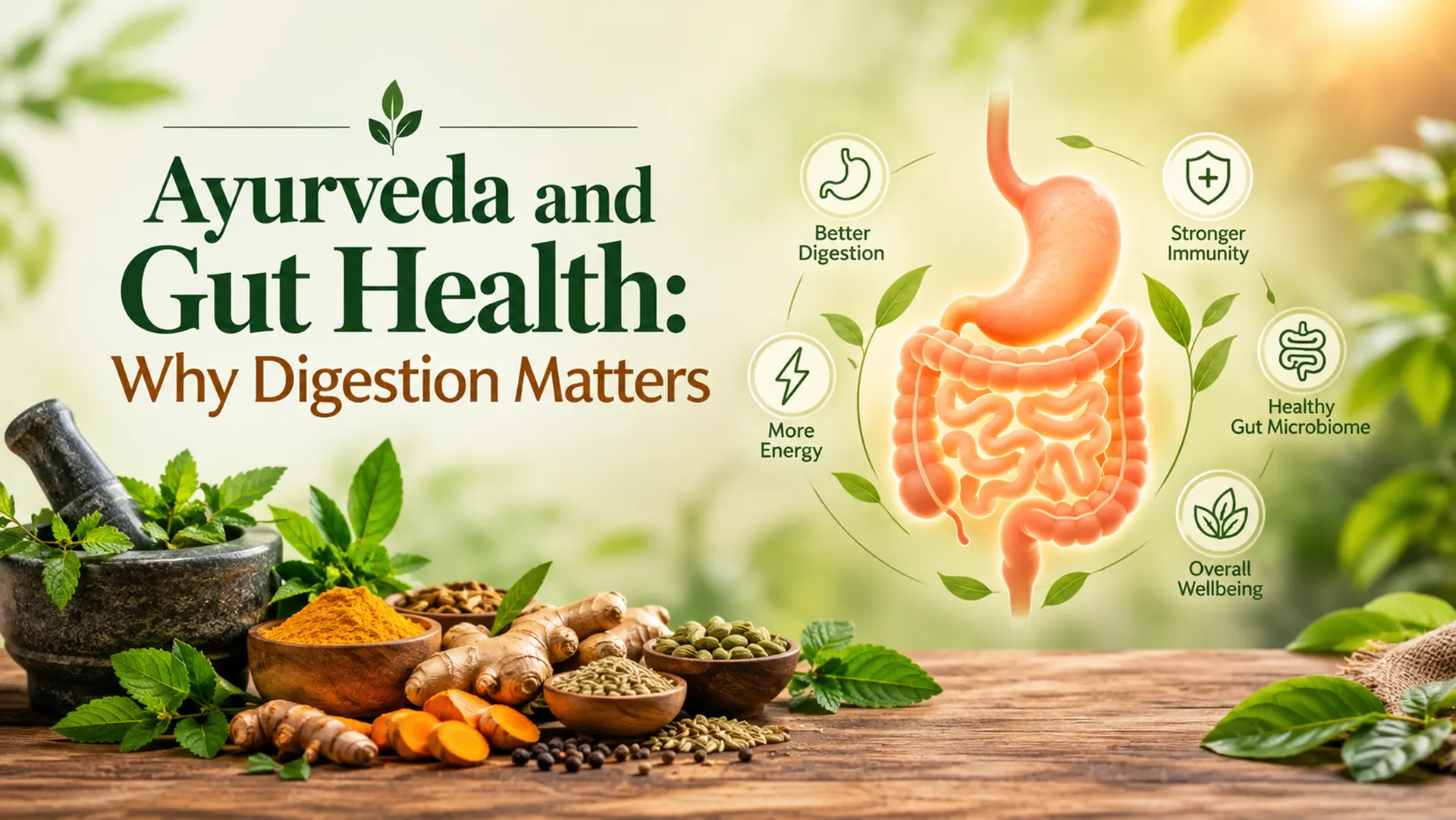
In Ayurveda, digestion is not simply the process of breaking down food. It is considered one of the foundations of health. The traditional Ayurvedic concept of Agni, often translated as “digestive fire,” describes the body’s capacity to digest, transform, absorb, and utilize nourishment. When digestion is balanced, Ayurveda associates it with proper nourishment, energy, elimination, and overall wellbeing.
Modern science is also revealing how important the digestive system is. The gastrointestinal tract is home to a complex community of microorganisms known as the gut microbiome. These microorganisms interact with food, metabolism, immune function, and the intestinal environment. Diet, medications, stress, lifestyle, and other factors can influence this microbial ecosystem.
This creates an interesting meeting point between traditional Ayurvedic wisdom and modern digestive-health research. Ayurveda has long emphasized eating appropriately, maintaining regular digestion, and avoiding habits that overwhelm the digestive system. Modern research, meanwhile, is investigating how dietary patterns, fiber, fermented foods, and gut microbes influence human health.
So, why does digestion matter so much? And what can we learn from Ayurveda about maintaining digestive wellness?
1. Ayurveda’s View: Digestion Is the Foundation of Health
According to Ayurveda, Agni plays a central role in transforming food into nourishment. Classical Ayurvedic concepts describe different forms of Agni involved in digestion and metabolic transformation, with Jatharagni being particularly important for gastrointestinal digestion.
The basic Ayurvedic idea is simple: eating food is only the beginning. The body must be able to digest and transform that food appropriately.
A person may eat a nutrient-rich meal, but if digestion is disturbed, Ayurveda considers the process of nourishment incomplete.
This is why traditional Ayurvedic approaches pay attention not only to what we eat, but also to:

Dige Wave Syrup for Healthy Digestion | Ayurvedic Digestive Syrup for Gas, Acidity & Indigestion
Amravathy Herbals Dige Wave Syrup is a powerful Ayurvedic digestive formula crafted with natural herbs like Ajwain, Jeera, Triphala, and Amla to support healthy digestion. It helps relieve gas, acidity, indigestion, and promotes better gut health with fast absorption.
- When we eat
- How much we eat
- How we combine foods
- Whether food is appropriate for the individual
- How regularly we eat
- Whether the previous meal has been digested
- Our mental state while eating
- Our daily routine and activity
Modern research does not equate Agni directly with digestive enzymes, metabolism, or the microbiome. However, contemporary research is beginning to explore whether Ayurvedic concepts such as Agni can eventually be studied through measurable physiological, microbial, metabolic, and other biological markers. Importantly, these concepts should not currently be treated as direct equivalents of specific biomedical diagnoses.
2. What Is the Gut Microbiome?
The digestive tract contains trillions of microorganisms, including bacteria and other microbes. Collectively, these communities are known as the gut microbiome.
These microorganisms are not simply passive inhabitants. They interact with the food we consume and contribute to several biological processes.
For example, many dietary fibers are not completely digested by human digestive enzymes. Instead, bacteria in the colon can ferment certain fibers and produce compounds such as short-chain fatty acids (SCFAs). These microbial metabolites are being studied for their roles in intestinal and metabolic health.
The gut microbiome can also influence digestion and interact with the body’s immune system and metabolism. Researchers continue to investigate the relationship between the microbiome, diet, inflammation, metabolic health, and different diseases.
This is one reason why digestive health has become such an important area of modern wellness research.
3. Ayurveda and the Concept of Ama
Another important Ayurvedic concept connected with digestion is Ama.
Traditional Ayurveda describes Ama as a product associated with incomplete or impaired digestion. Ayurvedic literature and modern academic discussions have explored whether the concept of Ama might provide a traditional framework for understanding certain processes associated with poor digestion and altered gut function.
However, it is important not to claim that Ama is scientifically proven to be a particular toxin, bacterium, or biomedical disease.
Modern researchers have suggested possible areas of overlap between Ayurvedic concepts and contemporary ideas such as intestinal barrier function, inflammation, and microbial imbalance, but these relationships require further scientific validation.
The practical lesson from Ayurveda remains useful: pay attention to how your body responds to food and avoid consistently overwhelming your digestive system.
4. Why Healthy Digestion Matters
Digestion affects much more than the stomach.
The digestive system is responsible for breaking food down so that nutrients can be absorbed and used by the body. The gut also interacts closely with the immune system and microbiome.
When digestive function is comfortable and regular, people commonly experience:
- Comfortable digestion
- Regular bowel movements
- Better tolerance of meals
- Less digestive discomfort
- More predictable appetite
- Better overall dietary balance
Digestive symptoms such as persistent bloating, abdominal pain, diarrhea, constipation, heartburn, or unexplained changes in bowel habits should not simply be dismissed as “weak digestion.” Persistent or severe symptoms deserve professional medical evaluation.
5. Eat for Your Gut: The Importance of Dietary Fiber
One of the strongest connections between modern nutrition science and digestive wellness is dietary fiber.
Fiber is found naturally in foods such as:
- Fruits
- Vegetables
- Whole grains
- Beans
- Lentils
- Chickpeas
- Nuts
- Seeds
Some fibers can be fermented by gut microorganisms. The resulting microbial metabolites may contribute to intestinal and metabolic processes.
Research also shows that the effects of fiber can vary depending on the type of fiber, amount consumed, and individual response. Therefore, simply taking large amounts of a fiber supplement is not necessarily better.
For people increasing fiber intake, gradual changes and adequate fluid intake are generally recommended. The U.S. National Institute of Diabetes and Digestive and Kidney Diseases notes that adults commonly need around 22–34 grams of fiber per day, depending on age and sex.
A practical Ayurvedic-inspired approach is to favor wholesome, minimally processed foods and adjust food choices according to individual digestive tolerance.
6. Whole Foods and the Gut Microbiome
Modern research increasingly supports the importance of dietary patterns rather than focusing exclusively on individual “superfoods.”
A diet containing a variety of plant foods provides different types of fiber and other compounds that interact with the gut microbiome.
In a controlled human feeding study, researchers found that a diet designed to provide more fiber and microbiome-supporting dietary components altered microbial composition and function and was associated with changes in energy balance.
This supports an important principle:
Your gut microbes respond to what you regularly eat.
Instead of relying on a single ingredient, aim for diversity.
For example, a weekly diet can include different vegetables, seasonal fruits, whole grains, pulses, nuts, seeds, and other plant foods.
7. Fermented Foods and Digestive Wellness
Fermented foods have been consumed in many cultures for generations.
Examples include:
- Yogurt
- Traditional fermented vegetables
- Kefir
- Fermented cereals
- Certain pickled foods
Some fermented foods contain live microorganisms, although not every fermented food qualifies as a probiotic with proven health benefits. The specific microorganism and strain matter when evaluating probiotic effects.
Probiotics are live microorganisms that may provide health benefits when consumed in adequate amounts. Research suggests that some probiotics can influence digestive function, but benefits are strain-specific and not every probiotic product works in the same way.
Therefore, digestive health should not be reduced to simply “take a probiotic.”
Food quality, fiber intake, lifestyle, sleep, physical activity, medications, and individual health conditions can all matter.
8. Ayurvedic Herbs Traditionally Used for Digestion
Ayurveda has a long tradition of using herbs and spices in digestive wellness.
Some commonly discussed Ayurvedic ingredients include:
Ginger
Ginger has traditionally been used to support digestion and appetite. It is also widely consumed as a culinary spice and herbal preparation.
Ajwain
Ajwain, or carom seeds, is traditionally used in Indian households after meals and in digestive preparations.
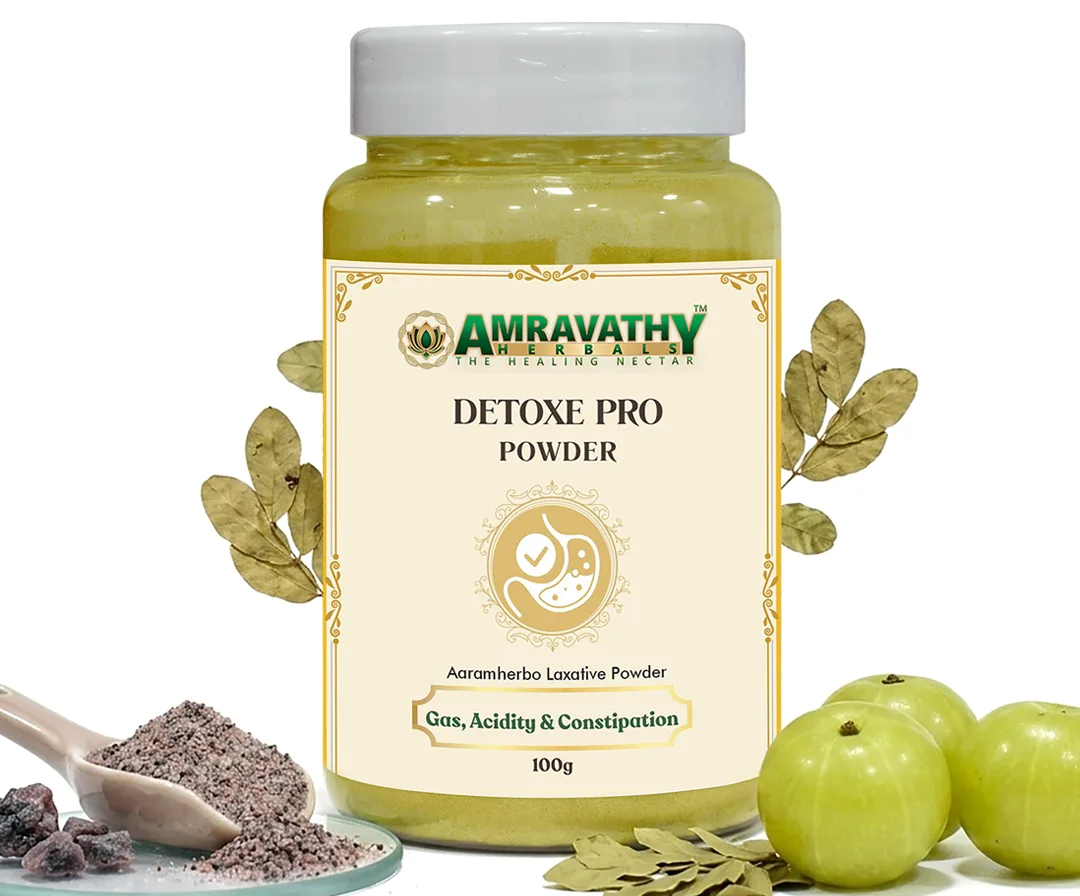
Detoxe Pro Powder for Gas, Acidity and Constipation | Natural Digestive Cleanser
Amravathy Herbals Detoxe Pro Powder is a natural Ayurvedic formulation designed to support digestion and relieve common issues like gas, acidity, and constipation. Enriched with powerful herbs like Senna, Amla, Ajwain, and Black Salt, it helps cleanse the colon, improve metabolism, and promote gut health.
Jeera
Cumin is another traditional culinary spice associated with digestive preparations and is widely used in Indian cuisine.
Saunf
Fennel seeds are traditionally consumed after meals and are commonly associated with digestive comfort.
Triphala
Triphala is a traditional Ayurvedic formulation made from three fruits. It has been studied in relation to the gastrointestinal system and gut microbiota. Laboratory research has suggested that Triphala can influence microbial communities, but these findings should not be interpreted as proof that it treats a specific digestive disease.
These ingredients can be part of traditional dietary and wellness practices, but herbal products should be used thoughtfully, particularly by people taking medicines or managing medical conditions.
9. Mindful Eating: An Ayurvedic Perspective
Ayurveda does not consider food completely separate from lifestyle.
Eating while distracted, rushing through meals, eating excessively, or repeatedly consuming foods that do not suit an individual may contribute to digestive discomfort.
A simple mindful-eating routine can include:
Eat slowly.
Chew food thoroughly instead of rushing.
Minimize distractions.
Try to focus on the meal rather than continuously watching a screen.
Pay attention to hunger and fullness.
Avoid consistently eating far beyond comfortable fullness.
Choose appropriate portions.
Even nutritious foods can become uncomfortable when consumed excessively.
Observe your body’s response.
Notice which foods leave you feeling comfortable and which consistently trigger symptoms.
These habits are not replacements for medical care, but they can encourage greater awareness of eating patterns.
10. Digestion, Stress and Lifestyle
The gut does not function in isolation from the rest of the body.
Stress, sleep, physical activity, medications, and dietary habits can all influence digestive health and the gut microbiome. Research recognizes stress and other host factors as important influences on the microbial environment.
This makes lifestyle an important part of a holistic digestive-health strategy.
Simple habits may include:
- Maintaining a regular sleep schedule
- Staying physically active
- Drinking adequate fluids
- Eating a varied diet
- Limiting excessive ultra-processed foods
- Managing chronic stress
- Avoiding unnecessary medication use
- Eating meals mindfully
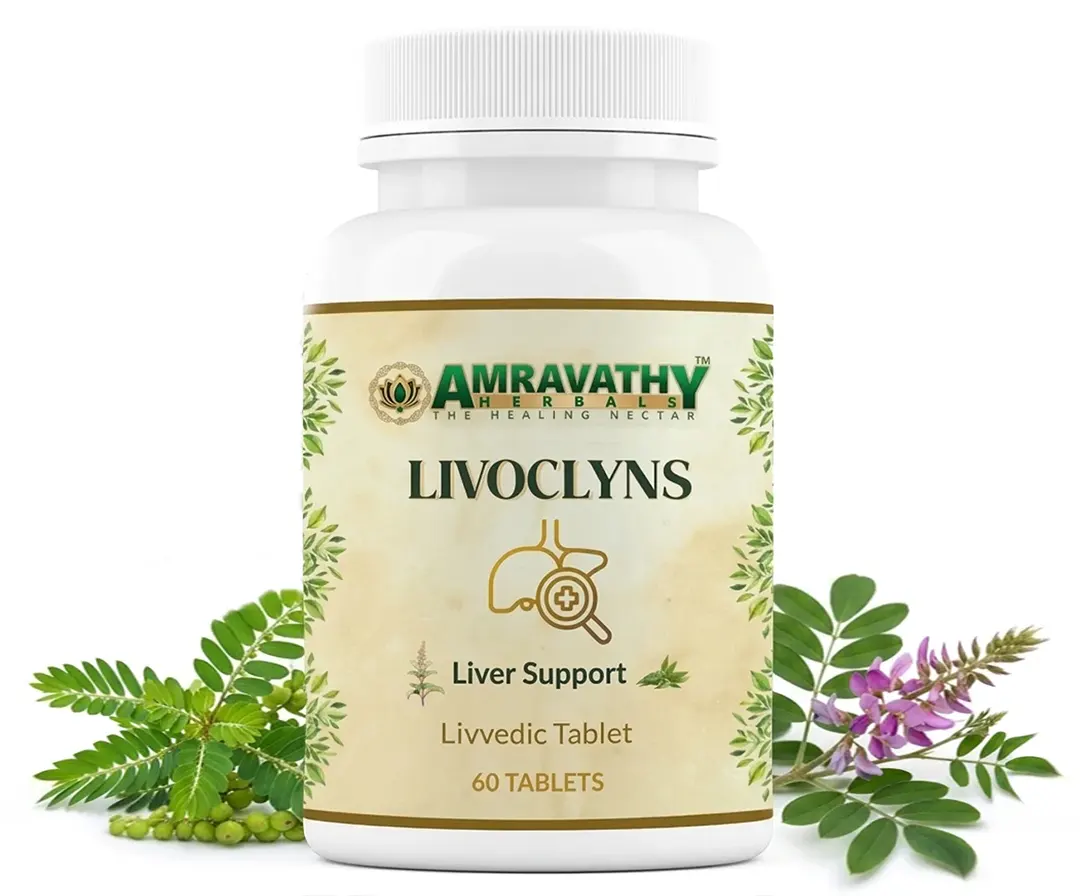
Livoclyns Liver Support Tablets – Ayurvedic Liver Detox & Hepatoprotective Formula (60 Tablets, 550mg)
Amravathy Herbals Livoclyns is a powerful Ayurvedic Liver Support Tablets formulated with herbs like Guduchi, Kalmegh, Bhringraj & Kutki. It helps detoxify the liver, improve metabolism, and support overall liver function naturally.
Take 1 tablet twice daily after meals or as directed by a physician. For better results, consume with warm water.
Ayurveda’s emphasis on dinacharya, or daily routine, provides a traditional framework for thinking about consistency in everyday habits.
11. Why Overeating Can Affect Digestive Comfort
Eating more food is not necessarily the same as receiving more nourishment.
Very large meals can be uncomfortable for some people, particularly when they contain excessive amounts of fat, sugar, alcohol, or highly processed foods.
Ayurveda traditionally emphasizes appropriate quantity and compatibility of food with an individual’s digestive capacity.
Modern nutrition research similarly recognizes that dietary composition and portion size can influence metabolic and digestive outcomes.
Rather than following extreme diets, a sustainable approach is usually more practical: choose nutrient-dense foods, maintain variety, and develop eating patterns that can be followed consistently.
12. The Gut–Immune Connection
The digestive tract is also closely connected with immune function.
The gut microbiome interacts with the intestinal environment and participates in relationships involving host immunity. Researchers continue to investigate how microbial communities and their metabolites influence immune responses.
This provides another reason why digestive health deserves attention.
However, marketing claims such as “one herb will boost your immunity instantly” oversimplify a highly complex biological system.
A better approach is to think about immunity as being supported by an overall lifestyle that includes:
- Balanced nutrition
- Adequate protein
- Sufficient micronutrients
- Fiber-rich plant foods
- Regular physical activity
- Good-quality sleep
- Stress management
- Appropriate medical care
13. How to Support Digestive Health Naturally
A practical daily approach can be surprisingly simple.
Morning
Start the day with adequate hydration and a balanced breakfast if breakfast suits your routine.
During meals
Eat slowly and choose minimally processed foods whenever possible.
Throughout the day
Include vegetables, fruits, pulses, whole grains, nuts, and seeds according to your dietary needs and tolerance.
After meals
A gentle walk can be a simple way to incorporate movement into your routine.
Evening
Avoid consistently eating very heavy meals immediately before bedtime.
Every week
Aim for dietary variety rather than repeatedly eating the exact same foods.
This approach combines common-sense nutrition with the Ayurvedic principle of maintaining digestive balance.
14. When Should You See a Doctor?
Natural approaches can support general wellness, but they should never replace medical diagnosis or treatment.
Speak with a qualified healthcare professional if you experience:
- Persistent abdominal pain
- Blood in stool
- Unexplained weight loss
- Persistent vomiting
- Severe or recurrent diarrhea
- Long-lasting constipation
- Difficulty swallowing
- Persistent heartburn
- Significant changes in bowel habits
- Symptoms that repeatedly interfere with daily life
People with conditions such as inflammatory bowel disease, celiac disease, diabetes, liver disease, or other chronic illnesses should discuss significant dietary or herbal changes with an appropriate healthcare professional.
15. Ayurveda and Modern Gut Science: A Promising Conversation
Perhaps the most interesting aspect of digestive wellness today is the growing conversation between traditional knowledge and modern science.
Ayurveda has developed an elaborate framework around digestion, Agni, food habits, daily routines, and individual constitution.
Modern science is investigating the gut microbiome, intestinal barrier, microbial metabolites, dietary fiber, probiotics, metabolism, and the gut–immune relationship.
These two systems should not be treated as identical.
Instead, Ayurveda can provide traditional hypotheses and lifestyle principles, while modern research can investigate those principles using microbiology, clinical studies, metabolomics, physiology, and other scientific methods.
Recent research has specifically explored ways of developing measurable tools for assessing Ayurvedic concepts such as Agni, demonstrating that this area is moving toward more systematic scientific investigation.
The future may reveal more about how traditional concepts of digestive balance relate—or do not relate—to measurable biological processes.
Conclusion: Take Care of Digestion, Take Care of Your Foundation
Ayurveda’s message about digestion is remarkably straightforward: good health begins with how well the body processes nourishment.
Modern science reaches a related conclusion from a different direction. The digestive tract is a complex biological ecosystem involving food, enzymes, intestinal tissues, microorganisms, immune processes, and metabolism.
A healthy gut is not created by one miracle ingredient or one detox product.
It is supported by consistent habits:
Eat a diverse, fiber-rich diet.
Choose minimally processed foods.
Stay hydrated.
Eat mindfully.
Stay physically active.
Sleep well.
Manage stress.
Pay attention to your digestive symptoms.
Ayurvedic herbs and traditional practices may complement a healthy lifestyle, but they should be used responsibly and with appropriate professional guidance when medical conditions or medications are involved.
Ultimately, Ayurveda reminds us of something that modern gut research continues to explore: digestion is more than simply processing food—it is an important part of the relationship between what we eat and how our body functions.
A healthier digestive routine today can become an important foundation for long-term wellbeing.
Scientific References
- National Institute of Diabetes and Digestive and Kidney Diseases (NIDDK) — The Complex Interplay of Diet and the Gut Microbiome Influences Human Health. NIDDK Research Update
- National Institutes of Health (NIH) — Health Benefits of Dietary Fibers Vary. NIH Research Matters
- NIH Office of Dietary Supplements — Probiotics: Consumer Fact Sheet. NIH Probiotics Fact Sheet
- National Center for Biotechnology Information / PMC — Dietary Fiber Intake and Gut Microbiota in Human Health.
- National Institute of Environmental Health Sciences — Microbiome. NIEHS Microbiome Overview
- PMC — The Microbiome in Health and Disease from the Perspective of Modern Medicine and Ayurveda.
- PMC — Physiological Aspects of Agni.
- PMC — Prebiotic Potential of Herbal Medicines Used in Digestive Health and Disease.
- NIDDK — Eating, Diet & Nutrition for Constipation. NIDDK Nutrition Guidance
- NCCIH — Probiotics: Usefulness and Safety. NCCIH Probiotics Information