✔ Free Shipping Above ₹499. ✔ COD Available. 👉 Sign Up Now & Get Upto ₹1000. 👈

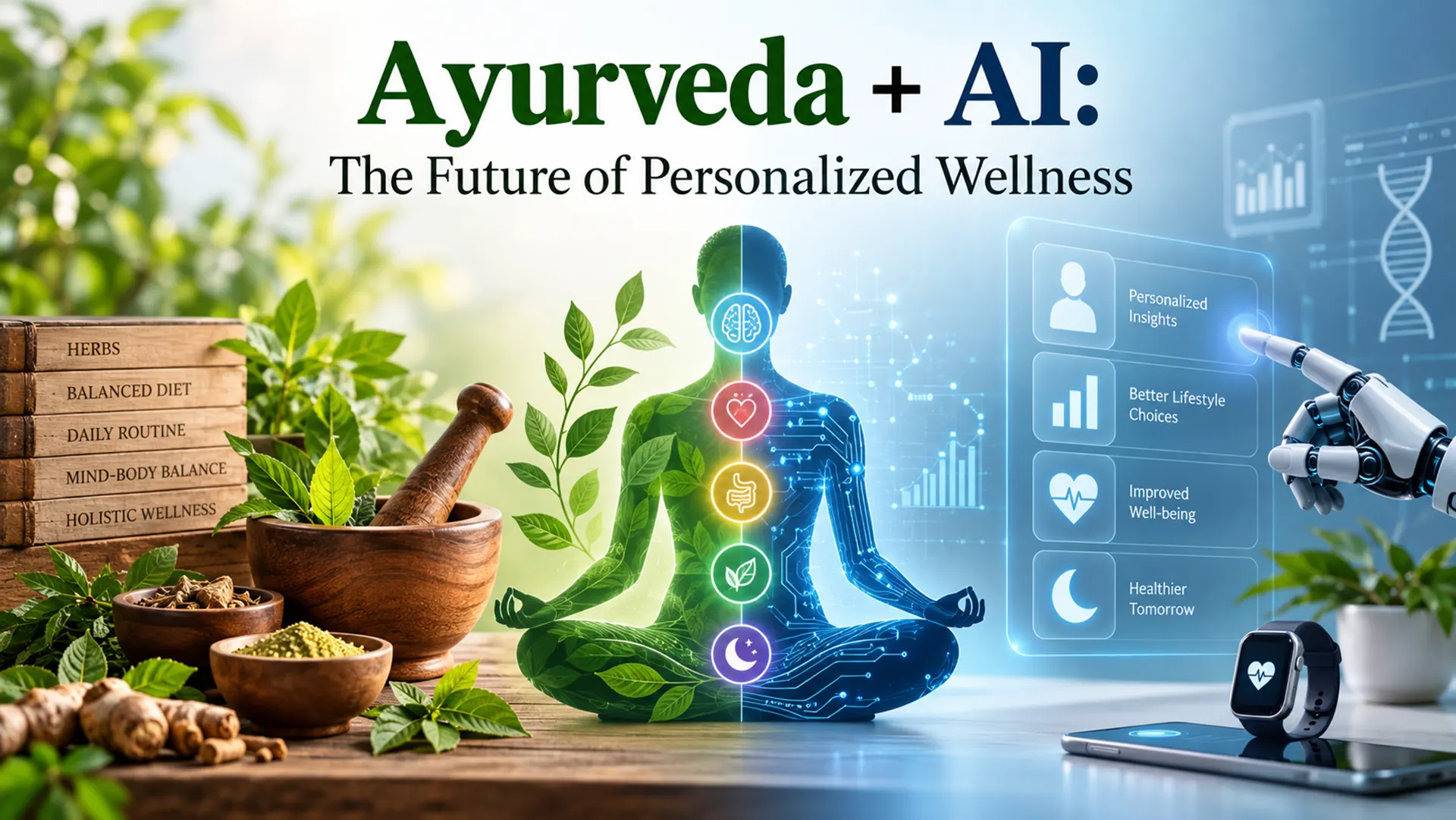
Ayurveda and AI: The Future of Personalized Wellness

Wellness is becoming increasingly personal.
For decades, modern healthcare and wellness programs have often relied on generalized recommendations: a standard diet, a fixed exercise routine, common supplements, or a universal approach to managing stress and sleep. But every individual is different. Age, lifestyle, environment, daily routine, food habits, sleep patterns, physical characteristics, and personal health history can all influence how a person responds to a particular wellness approach.
This is where two very different worlds—Ayurveda and AI—are beginning to intersect.
Ayurveda, the traditional Indian system of medicine, has long emphasized individualized approaches to health. Concepts such as Prakriti (individual constitution), Vikriti (current imbalance), diet, daily routines, seasonal habits, herbs, yoga, and lifestyle are used to understand wellness from a holistic perspective.
Artificial Intelligence, on the other hand, can analyze enormous amounts of information, recognize patterns, and generate personalized insights from data.
The combination of these approaches could create new possibilities for personalized wellness, where technology helps organize and interpret information while Ayurvedic principles provide a traditional framework for individualized lifestyle guidance.
Importantly, this emerging field is still developing. AI should not replace qualified healthcare professionals, and traditional Ayurvedic concepts need rigorous scientific validation before specific clinical claims can be made. The future is therefore less about replacing one system with another and more about exploring how traditional knowledge, modern science, and digital technology can work together responsibly.
What Does Personalized Wellness Mean?
Personalized wellness means moving away from the idea that one recommendation works equally well for everyone.
Consider two people with similar work schedules. One may naturally prefer an early bedtime and feel energetic in the morning, while another may be more productive later in the day. One person may thrive on a particular type of exercise, while another may need a gentler routine. Stress, nutrition, sleep, physical activity, and environmental factors can also affect individuals differently.
Personalized wellness attempts to take these differences into account.
AI can potentially help by collecting and analyzing information from multiple sources, such as:
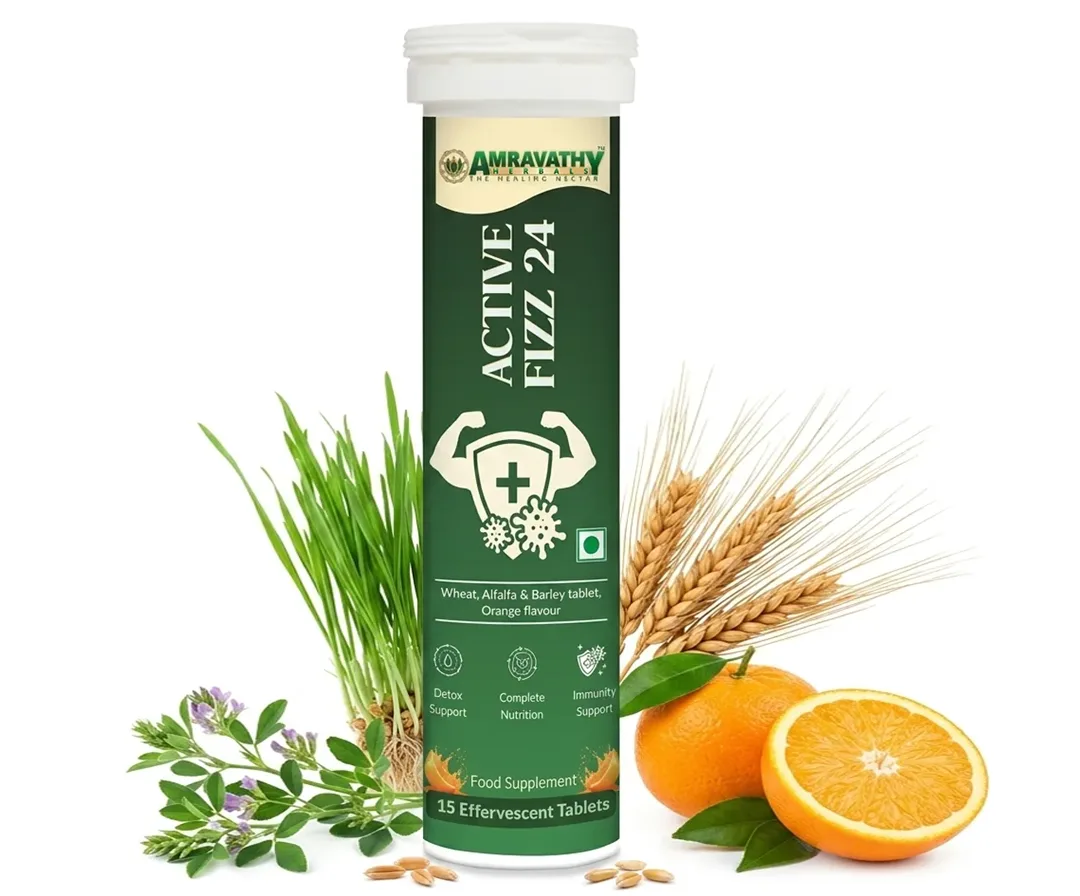
Active Fizz 24 Effervescent Tablets – Alkaline Detox & Immunity Booster | Orange Flavour | Digestive & Metabolism Support
Boost your daily wellness with Amravathy Herbals Active Fizz 24 Detox Effervescent Tablets – a powerful blend of alkalizing greens, detox herbs, digestive enzymes, and immunity boosters. Designed to support metabolism, digestion, and overall health in a refreshing orange-flavored drink.
- Sleep patterns
- Physical activity
- Heart rate and other wearable-device measurements
- Food and nutrition records
- Daily routines
- Stress-related self-reports
- Environmental information
- Health history
- Lifestyle preferences
- Responses to wellness interventions
When combined with appropriate Ayurvedic frameworks, these data points could help practitioners and researchers explore more individualized wellness strategies.
A 2026 review published in the Journal of Ayurveda and Integrative Medicine specifically discusses the potential of AI, machine learning, sensors, and image analysis in Prakriti assessment, while also highlighting the need for better data quality, interoperability, interpretability, and validation.
Ayurveda: Personalization Is Already Part of the Framework
One reason Ayurveda is particularly interesting in the personalized wellness conversation is its traditional emphasis on the individual.
Rather than treating every person identically, Ayurvedic approaches consider characteristics such as constitution, lifestyle, diet, environment, age, season, and daily routine.
Prakriti
Prakriti is traditionally understood as an individual’s constitution. Ayurvedic practitioners may consider physical, physiological, behavioral, and other characteristics when assessing it.
Traditionally, Prakriti assessment can involve questionnaires, observation, physical examination, and practitioner experience.
However, these approaches can sometimes be subjective or difficult to standardize. This is one area where digital technologies and AI could potentially contribute.
AI systems may be able to analyze structured information and identify patterns across large datasets. Wearable devices, digital questionnaires, physiological measurements, and other technologies could potentially provide additional data points.
The goal should not be to allow an algorithm to independently “declare” someone’s Ayurvedic constitution. Instead, technology could become a decision-support and research tool that helps qualified practitioners examine information more consistently.
How AI Can Transform Ayurvedic Wellness
1. AI-Powered Prakriti Assessment
One of the most discussed applications is digital Prakriti assessment.
Imagine completing a detailed digital questionnaire covering physical characteristics, lifestyle patterns, sleep, food preferences, behavior, and other relevant factors. AI could process this information and identify patterns that may be relevant to an Ayurvedic assessment.
In the future, such systems could potentially incorporate additional information from wearable devices and validated physiological measurements.
Research published in 2026 describes AI and digital technologies as potentially useful for making Prakriti assessment more objective and computationally analyzable, while emphasizing that domain-specific validation is still necessary.
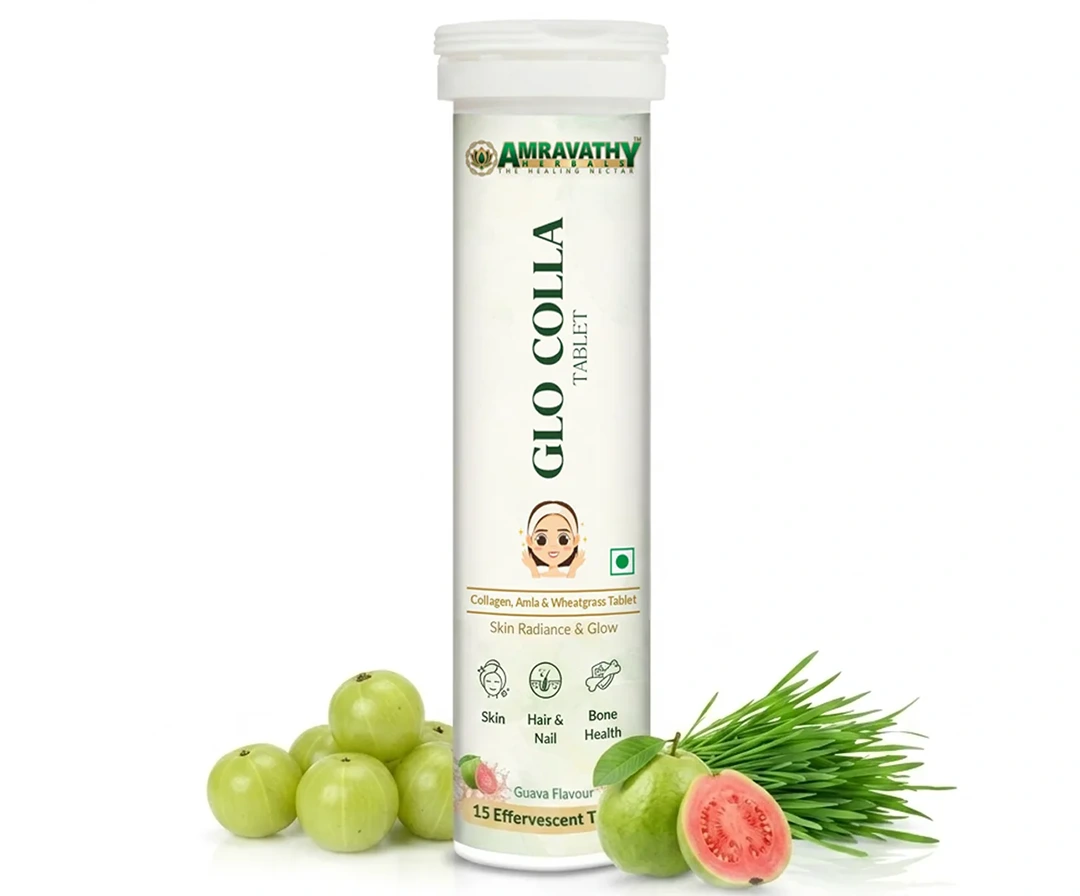
Glo Colla Effervescent Tablets – Vegan Collagen for Skin, Hair, Nails & Bone Health
Glow naturally with Amravathy Herbals Glo Colla Effervescent Tablets, a plant-based vegan collagen effervescent tablets supplement designed to support radiant skin, strong hair, healthy nails, and bone health. Packed with powerful superfoods and antioxidants, this refreshing guava-flavored drink delivers daily wellness in a convenient tablet.
This could make assessments more consistent and scalable—but only if the underlying Ayurvedic criteria are clearly defined and scientifically evaluated.
2. Personalized Diet and Lifestyle Recommendations
Diet is an important part of Ayurvedic wellness.
AI could potentially combine information about an individual’s dietary preferences, schedule, activity levels, goals, environmental conditions, and other relevant variables to organize personalized lifestyle suggestions.
For example, a wellness platform could track:
Morning routine → meals → physical activity → hydration → sleep → next-day feedback
Over time, AI could identify behavioral patterns.
Instead of simply saying, “Follow this diet,” a digital wellness system could potentially help a person understand which habits are associated with better sleep, energy, or adherence to their routine.
However, nutritional recommendations should be based on reliable evidence and individualized appropriately. AI-generated suggestions should not be treated as medical prescriptions.
3. Smarter Sleep and Stress Management
Modern lifestyles have created new wellness challenges.
Long working hours, excessive screen exposure, irregular schedules, and constant digital stimulation can affect sleep and stress management.
Ayurveda traditionally emphasizes daily routines, appropriate rest, lifestyle discipline, and balance.
AI can complement these concepts by analyzing behavioral patterns.
For example, a wellness application could potentially recognize that a user:
- Goes to sleep at inconsistent times
- Uses digital devices late at night
- Has reduced physical activity on stressful days
- Reports higher stress after particular work patterns
- Sleeps differently on weekdays and weekends
Instead of giving generic advice, the system could generate personalized behavioral insights.
The most useful role for AI here may be pattern recognition and habit support, rather than diagnosis.
4. Predictive Wellness
One of the most exciting possibilities is predictive wellness.
Traditional healthcare often responds after symptoms become noticeable. Digital technologies create opportunities to identify patterns earlier.
For example, an AI system could potentially notice changes in:
- Sleep duration
- Activity levels
- Resting heart rate
- Eating patterns
- Stress reports
- Daily routines
These changes could trigger a recommendation to review lifestyle habits or consult a healthcare professional.
Research at the intersection of Ayurveda, genomics, and AI is also exploring how traditional concepts might contribute to personalized health research. Recent reporting on work by scientists including IIT Jodhpur’s Mitali Mukerji highlights research exploring AI-driven approaches to identifying health risks before symptoms become apparent.
Such research is promising, but predictive signals should not automatically be interpreted as medical diagnoses. Any clinically meaningful prediction requires appropriate validation.
5. AI and Ayurvedic Research
Perhaps the biggest contribution of AI to Ayurveda could occur not in consumer wellness apps, but in research.
Ayurvedic knowledge contains a large body of classical literature, formulations, therapeutic concepts, and observational knowledge.
AI can potentially help researchers organize and analyze large volumes of information.
It could assist with:
- Literature analysis
- Pattern discovery
- Clinical research databases
- Natural-language processing
- Evidence mapping
- Data classification
- Research hypothesis generation
- Patient-reported outcome analysis
- Pharmacological research
- Safety-data analysis
This could help researchers identify questions that deserve further investigation.
The World Health Organization’s Global Traditional Medicine Strategy 2025–2034 specifically emphasizes strengthening evidence, safety and regulation, integration into health systems, and innovation and technology in traditional medicine.
This direction creates an important opportunity: technology can help traditional knowledge become more searchable, measurable, and researchable without automatically treating traditional claims as scientifically established facts.
6. The Rise of Digital Ayurvedic Wellness Platforms
The future could bring integrated digital platforms combining Ayurveda, AI, wearables, and professional consultation.
Imagine a single platform where users can:
- Complete a wellness assessment.
- Record food and lifestyle habits.
- Connect compatible wearable devices.
- Track sleep and activity.
- Record stress and energy levels.
- Receive personalized lifestyle suggestions.
- Consult a qualified Ayurvedic practitioner.
- Monitor progress over time.
- Adjust recommendations based on documented responses.
AI could work in the background, turning large amounts of information into understandable patterns.
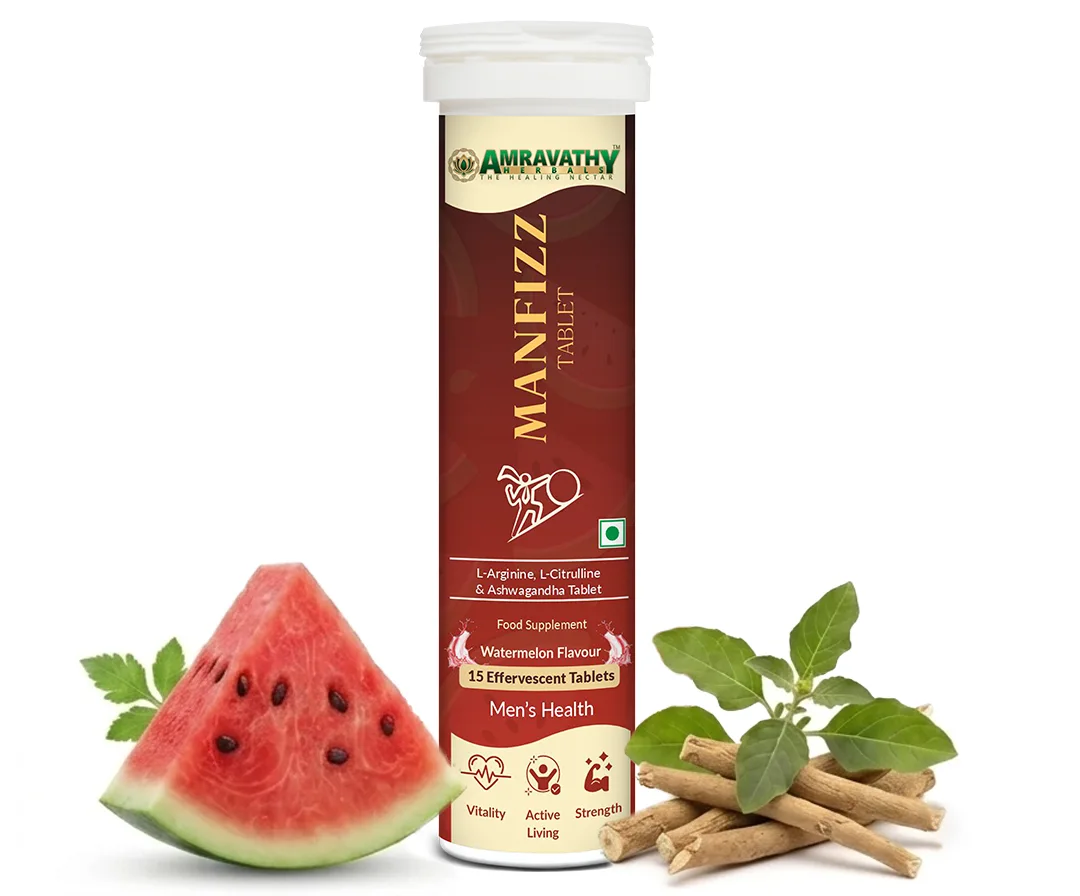
Manfizz Men’s Health Tablets | Energy, Stamina & Vitality Support | Watermelon Flavour (15 Effervescent Tablets)
Boost your daily energy, stamina, and vitality with Amravathy Herbals Manfizz Men’s Health Tablets—a powerful blend of L-Arginine, L-Citrulline, Ashwagandha, Ginseng & essential nutrients. Designed for modern men, it supports blood circulation, muscle recovery, hormonal balance, and overall performance.
The practitioner would remain an important part of the process, particularly when interpretation, diagnosis, treatment decisions, or safety considerations are involved.
7. AI Does Not Replace the Ayurvedic Practitioner
This distinction is extremely important.
AI can process data quickly, but it does not possess human clinical judgment in the same way a trained practitioner does.
A practitioner can ask follow-up questions, understand context, recognize uncertainty, assess individual circumstances, and consider factors that may not be represented in a dataset.
Therefore, a responsible Ayurveda + AI model should be human-centered.
AI can act as:
Data organizer → Pattern identifier → Research assistant → Wellness coach → Decision-support tool
rather than:
Doctor → Ayurvedic practitioner → Final medical authority
This distinction is especially important when dealing with illness, medications, pregnancy, chronic conditions, or other situations requiring professional medical care.
8. The Importance of Evidence
The excitement surrounding AI should not lead to exaggerated health claims.
AI can find patterns—but a pattern is not automatically proof of a medical effect.
For example, if an algorithm identifies an association between a particular lifestyle pattern and improved sleep, researchers still need to investigate whether that relationship is reliable, reproducible, and clinically meaningful.
The same principle applies to Ayurvedic interventions.
Traditional knowledge can generate valuable research questions, but claims about effectiveness and safety require appropriate scientific evidence.
WHO’s current traditional medicine strategy emphasizes evidence-based integration, safety, quality, and appropriate regulation.
Therefore, the future of Ayurveda + AI should be built around evidence, transparency, validation, and responsible innovation.
9. Data Privacy: The Biggest Responsibility
Personalized wellness depends on personal data.
The more information an AI system collects, the more carefully that information needs to be protected.
A future Ayurveda-AI platform could potentially process highly personal information, including:
- Health history
- Lifestyle patterns
- Sleep data
- Food records
- Physiological measurements
- Genetic information
- Personal preferences
This creates significant privacy responsibilities.
Users should know:
- What data is being collected
- Why it is being collected
- Where it is stored
- Who can access it
- Whether it is used for research
- How long it is retained
- Whether it can be deleted or withdrawn
WHO’s guidance on AI for health stresses that AI should be developed and deployed with attention to safety, ethics, equity, privacy, and appropriate governance.
10. Avoiding the “Black Box” Problem
Another challenge is explainability.
If an AI system tells someone, “This recommendation is suitable for you,” the user should ideally be able to understand why.
This is especially important when AI is used in healthcare or health-related decision support.
A responsible system should distinguish between:
Data:
“What your wearable recorded.”
AI interpretation:
“What pattern the algorithm identified.”
Ayurvedic interpretation:
“How the information may relate to an Ayurvedic framework.”
Clinical recommendation:
“What a qualified healthcare professional recommends.”
Keeping these categories separate can help prevent confusion and overconfidence.
11. Ayurveda + AI and the Future of Preventive Wellness
The most interesting possibility may be a shift from reactive wellness to continuous preventive wellness.
Instead of interacting with a wellness platform only when something feels wrong, people could use digital tools to understand their everyday habits.
AI could continuously learn from changes in routines and provide gentle reminders such as:
- Maintain a consistent sleep schedule.
- Take regular movement breaks.
- Monitor hydration.
- Reduce late-night screen exposure.
- Follow an appropriate meal routine.
- Discuss persistent symptoms with a qualified professional.
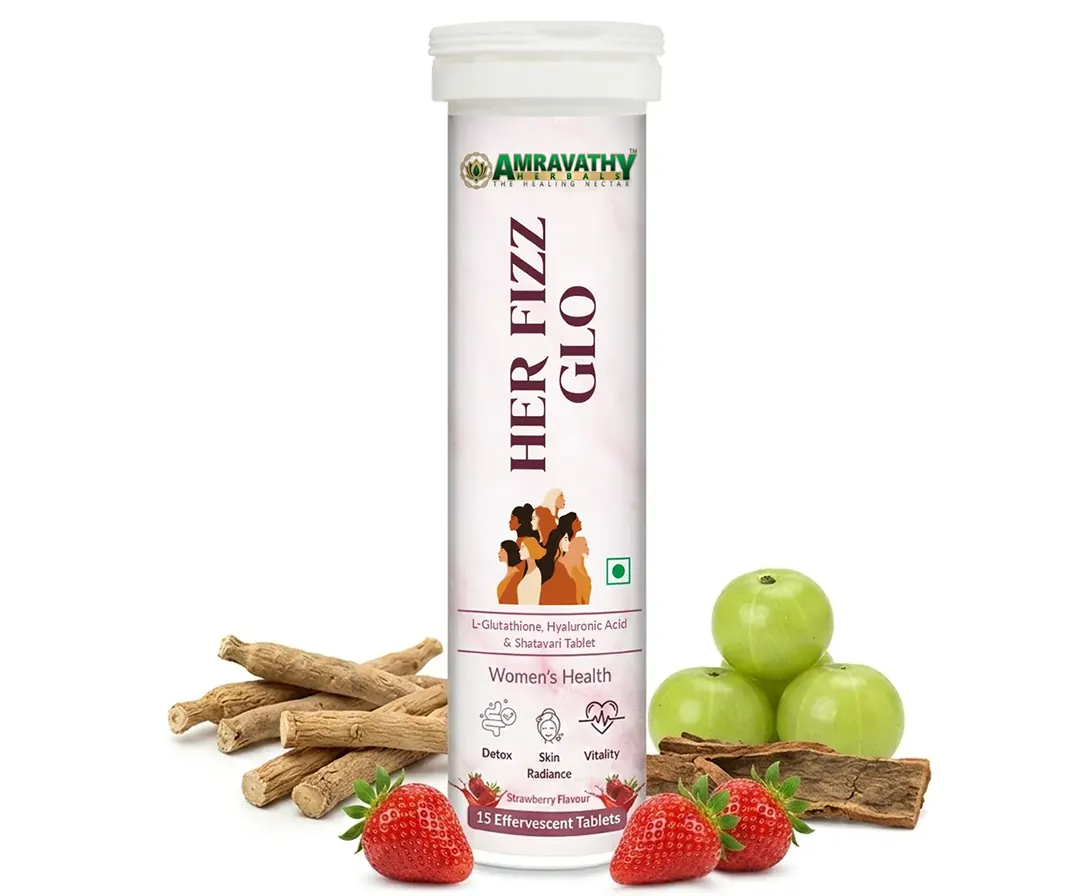
Her Fizz Glo Glutathione tablets for skin and Women’s Health – Skin Glow, Hormonal Balance & Detox Support (15 Effervescent Tablets)
Boost your daily wellness with Amravathy Herbals Her Fizz Glo is a Glutathione tablets for skin and women’s health – a powerful blend of L-Glutathione, Hyaluronic Acid, Shatavari, Ashwagandha & Amla designed to support skin glow, hormonal balance, detoxification, and vitality.
Ayurvedic principles could provide a broader lifestyle framework, while AI could help individuals implement and monitor habits in everyday life.
This combination could make wellness more continuous, personalized, and data-informed.
12. What Could the Next Decade Look Like?
The next generation of Ayurveda + AI may involve several technologies working together.
AI + Wearables
Wearables could provide continuous information about activity, sleep, heart rate, and other measurable parameters.
AI + Genomics
Research could explore relationships between genetic information and traditional concepts of individual variation, although this area requires careful scientific validation.
AI + Digital Ayurveda
Digital assessments could help standardize information collection and support practitioner-led consultations.
AI + Traditional Medicine Research
Large databases could help researchers examine patterns across populations and identify research priorities.
AI + Preventive Wellness
Personalized digital coaching could help people develop sustainable habits based on their own behavioral patterns.
AI + Global Traditional Medicine Knowledge
Digital knowledge platforms could make traditional medicine research more accessible internationally.
The WHO has already highlighted the role of digital innovation in traditional medicine. Its Global Traditional Medicine Strategy emphasizes innovation and technology, while the WHO Global Traditional Medicine Centre has been developing digital resources to strengthen access to traditional medicine knowledge.
The Road Ahead
The future of Ayurveda + AI should not be viewed as ancient versus modern.
It can instead be understood as a conversation between traditional knowledge and modern technology.
Ayurveda contributes a long-standing framework centered on individuality, lifestyle, daily routine, and holistic wellness. AI contributes computational power, pattern recognition, automation, and the ability to work with large datasets.
When combined responsibly, they could support a new generation of personalized wellness tools.
But success will depend on more than technology.
It will require:
Scientific research + qualified practitioners + responsible AI + data privacy + regulatory oversight + transparent evidence + informed users
The objective should not be to make AI appear more intelligent than human practitioners, nor to automatically validate every traditional claim through technology.
The real opportunity is to use AI to ask better questions, organize better data, support better research, and help individuals engage more consistently with healthy behaviors.
Conclusion
Ayurveda + AI represents an emerging frontier in personalized wellness.
The combination has the potential to make traditional wellness concepts more measurable, accessible, and adaptable to modern lifestyles. AI could help personalize routines, analyze behavioral patterns, support Prakriti research, organize traditional medicine knowledge, and assist practitioners and researchers.
At the same time, the field must develop carefully.
Evidence matters. Privacy matters. Human oversight matters. Safety matters.
The future should therefore not be about replacing Ayurveda with AI—or replacing healthcare professionals with algorithms.
It should be about using technology thoughtfully to support personalized, evidence-informed, human-centered wellness.
As AI becomes increasingly integrated into everyday life, the most meaningful innovation may be one that combines the analytical capabilities of technology with the individual-centered perspective of traditional wellness systems.
The future of wellness may not be one-size-fits-all. It may be increasingly personal, continuously informed, and responsibly technology-assisted.
Citations & Further Reading
- World Health Organization (WHO) — Global Traditional Medicine Strategy 2025–2034.
WHO: Global Traditional Medicine Strategy 2025–2034 - World Health Organization (WHO) — Artificial Intelligence for Health.
WHO: Artificial Intelligence for Health - World Health Organization (WHO) — Ethics and Governance of Artificial Intelligence for Health.
WHO: Ethics and Governance of AI for Health - World Health Organization (WHO) — Ethics and Governance of AI for Large Multimodal Models.
WHO: AI Ethics and Governance Guidance - Journal of Ayurveda and Integrative Medicine — Artificial Intelligence and Digital Technologies in Prakriti Assessment: Toward Standardized Evidence-Based Ayurvedic Practice (2026).
ScienceDirect: AI and Digital Technologies in Prakriti Assessment - PubMed — Artificial Intelligence and Digital Technologies in Prakriti Assessment.
PubMed: Prakriti Assessment and AI Research - World Health Organization — WHO Global Summit on Traditional Medicine.
WHO: Global Summit on Traditional Medicine
Note: This article is intended for educational and wellness-information purposes. AI-generated wellness suggestions and Ayurvedic concepts should not be treated as a substitute for diagnosis or treatment by qualified healthcare professionals.