✔ Free Shipping Above ₹499. ✔ COD Available. 👉 Sign Up Now & Get Upto ₹1000. 👈

Ayurveda and Modern Science: 10 Ancient Ayurvedic Secrets Scientists Are Still Uncovering

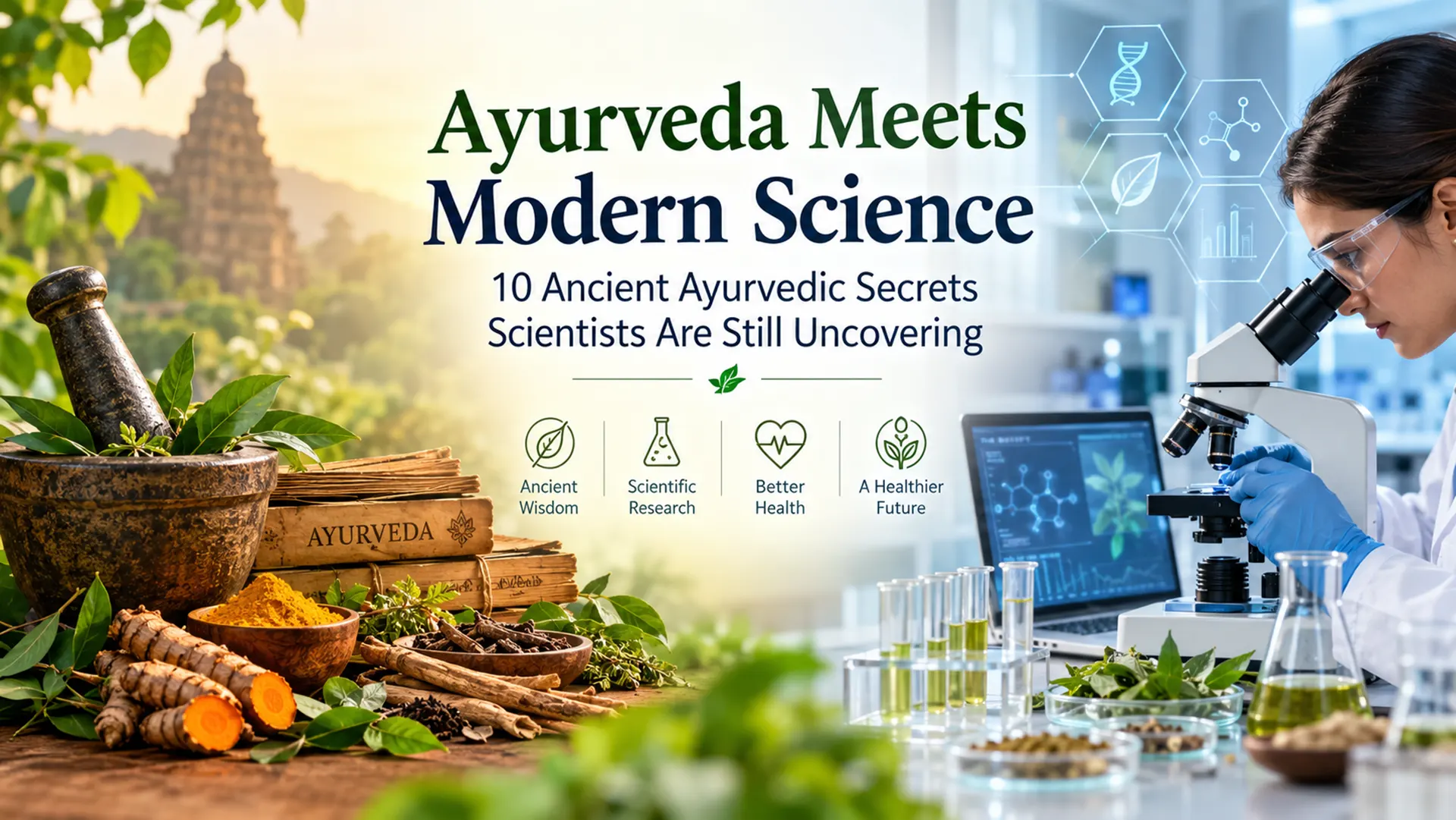
Ayurveda and Modern Science
For thousands of years, Ayurveda has offered a distinctive approach to health and wellbeing. Rather than focusing only on individual symptoms, Ayurveda traditionally considers the relationship between diet, digestion, lifestyle, sleep, mental wellbeing, environment, daily routines and herbal preparations.
Today, some of these traditional concepts are attracting increasing interest from researchers around the world. Scientists are investigating Ayurvedic herbs and practices using modern tools such as clinical trials, systematic reviews, phytochemical analysis, pharmacology and molecular biology.
This does not mean that modern science has proven every traditional Ayurvedic claim. In fact, the more interesting story is that traditional knowledge is providing researchers with questions that can now be investigated using increasingly sophisticated scientific methods.
The World Health Organization’s Global Traditional Medicine Strategy 2025–2034 places considerable emphasis on strengthening evidence, ensuring safety and quality, improving research and supporting appropriate evidence-based integration of traditional medicine into healthcare. This represents an important development for traditional systems such as Ayurveda. [1]
From Ashwagandha and Turmeric to Amla, Brahmi and Shatavari, researchers are examining plants that have been used traditionally for generations. Some areas have promising evidence, while others remain uncertain and require considerably more research.
Here are ten fascinating areas where ancient Ayurvedic wisdom and modern science are beginning to meet.
1. Ashwagandha and the Science of Stress and Resilience
Ashwagandha (Withania somnifera) is one of the most widely researched Ayurvedic herbs in modern wellness research. Traditionally, it has been associated with vitality, strength, resilience and the body’s ability to cope with stress.
Modern researchers have become particularly interested in its potential relationship with stress and anxiety. Several randomized controlled trials have investigated standardized Ashwagandha preparations, although the formulations, doses and study populations have varied.
A 2024 systematic review and meta-analysis examining nine randomized controlled trials involving 558 participants reported improvements in perceived stress, anxiety scores and cortisol levels compared with placebo. However, the researchers also noted the need for further research, particularly regarding longer-term safety. [2]
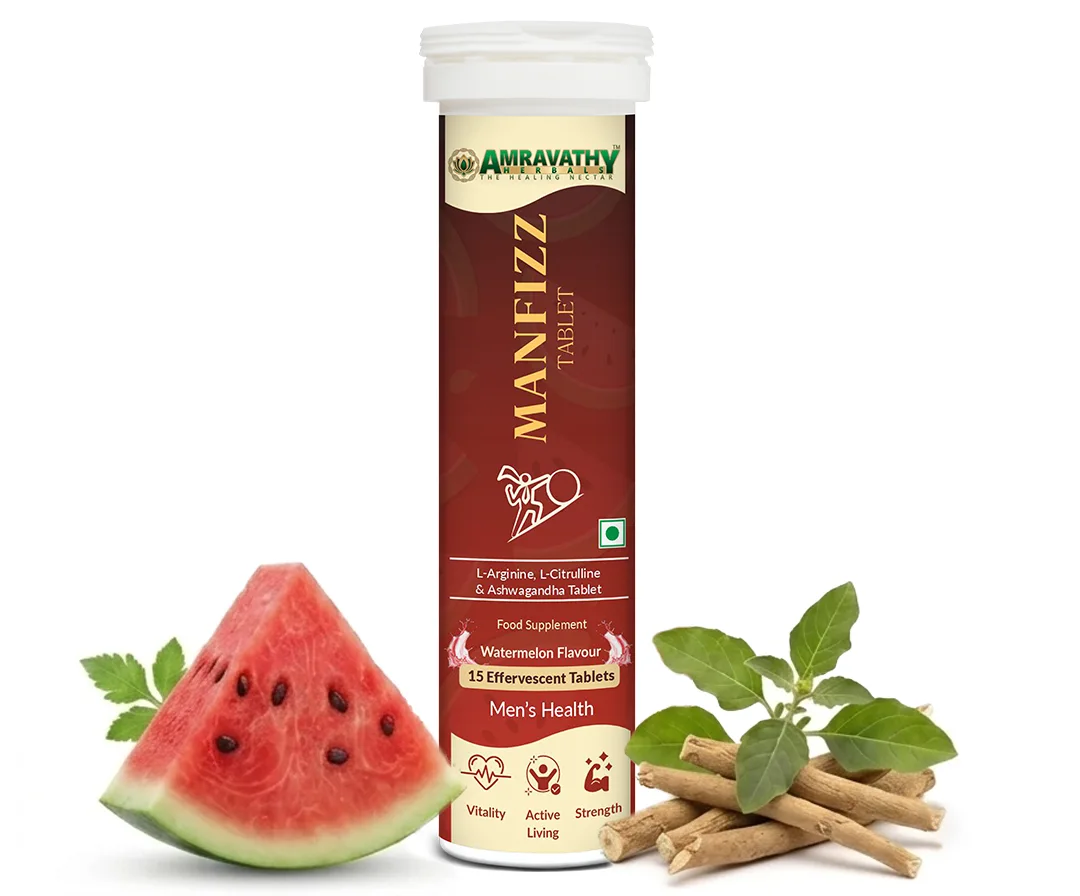
Manfizz Men’s Health Tablets | Energy, Stamina & Vitality Support | Watermelon Flavour (15 Effervescent Tablets)
Boost your daily energy, stamina, and vitality with Amravathy Herbals Manfizz Men’s Health Tablets—a powerful blend of L-Arginine, L-Citrulline, Ashwagandha, Ginseng & essential nutrients. Designed for modern men, it supports blood circulation, muscle recovery, hormonal balance, and overall performance.
An earlier systematic review and meta-analysis involving 12 studies and 1,002 participants also reported reductions in stress and anxiety among people taking Ashwagandha. Importantly, the authors rated the certainty of evidence as low and called for larger, higher-quality studies. [3]
This is a good example of how science should approach traditional herbs. Instead of simply declaring that an ancient herb “works,” researchers are asking more specific questions: Which extract works? At what dose? For whom? For how long? And is it safe?
What scientists are still uncovering: How Ashwagandha’s compounds influence stress-related biological pathways, which standardized preparations are most appropriate and how long-term use should be evaluated.
2. Turmeric and Curcumin: From Traditional Spice to Modern Research
Turmeric (Curcuma longa) has been an important part of Indian food and traditional health practices for centuries. Its yellow color comes largely from curcuminoids, with curcumin being the most extensively studied.
Modern research has investigated curcumin for a wide range of biological activities. One particularly interesting area is joint health.
Clinical research has produced promising findings for turmeric and curcumin preparations in people with knee osteoarthritis. However, different studies use different extracts, doses and formulations, making it difficult to generalize results to every turmeric supplement.
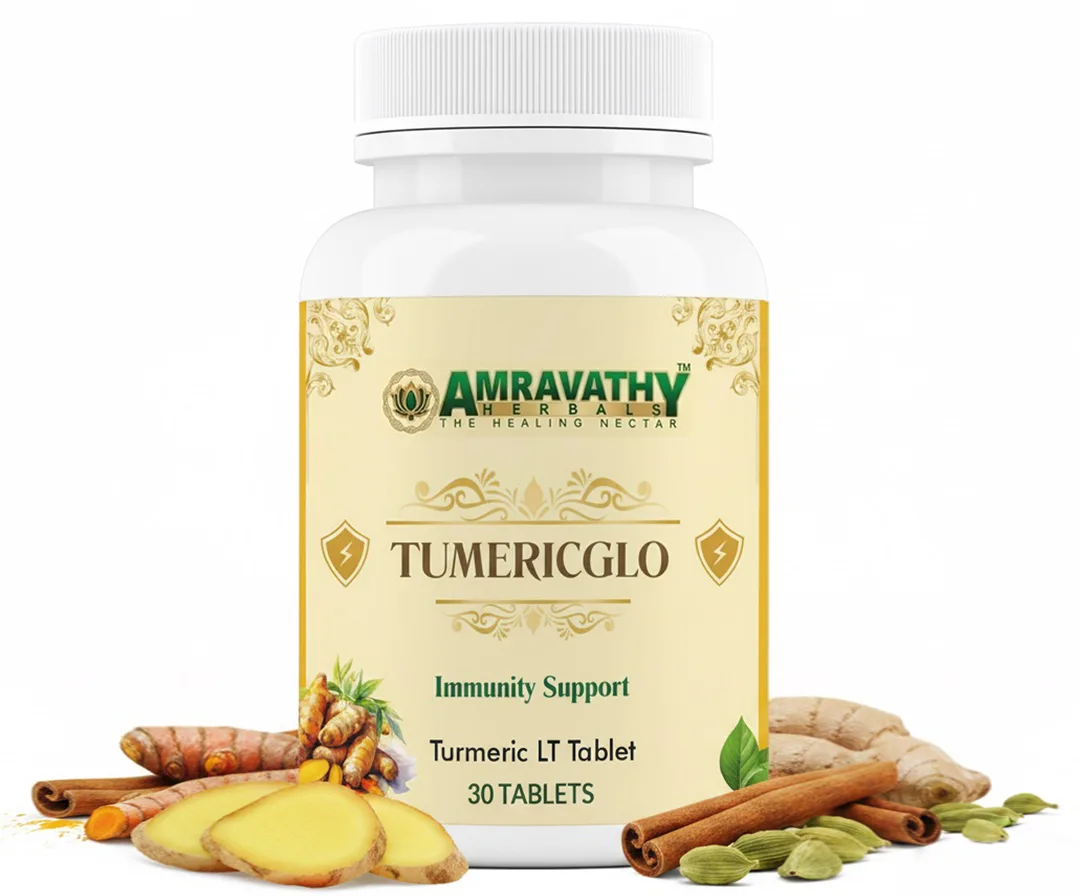
Tumericglo Turmeric Immunity Tablet | Turmeric & Herbal Anti-Inflammatory Supplement (30 Tablets)
Amravathy Herbals Tumericglo Turmeric Immunity Tablet is a powerful Ayurvedic formulation enriched with Turmeric, Ginger, Cinnamon, and Cardamom to naturally strengthen immunity, reduce inflammation, and support digestion. Ideal for daily wellness and seasonal protection.
One of the major scientific challenges is absorption. Curcumin is relatively poorly absorbed by the body, which has led researchers to investigate formulations designed to improve bioavailability.
At the same time, higher bioavailability does not automatically mean greater safety. The U.S. National Center for Complementary and Integrative Health notes that some highly bioavailable curcumin formulations have been associated with reports of liver injury. [4]
This illustrates an important principle in herbal research: the plant, extract, formulation and dose all matter.
What scientists are still uncovering: Which curcumin formulations offer the best balance of absorption, effectiveness and safety, and which applications have enough clinical evidence to justify wider use.
3. Amla and the Science of Metabolic Wellness
Amla, or Indian gooseberry (Phyllanthus emblica), has an important place in Ayurveda. Traditionally regarded as a nourishing and rejuvenating fruit, Amla is also valued for its nutritional and phytochemical composition.
Modern research has investigated Amla’s polyphenols and other compounds in relation to metabolic and cardiovascular markers.
Systematic reviews of randomized controlled trials have reported potentially beneficial changes in markers such as blood glucose, cholesterol, triglycerides and inflammatory markers. However, the number of high-quality clinical studies remains relatively small, and researchers have emphasized the need for larger and better-designed trials.
This distinction is important. Improving a laboratory marker does not necessarily mean that an herb prevents a disease or produces a long-term clinical benefit.
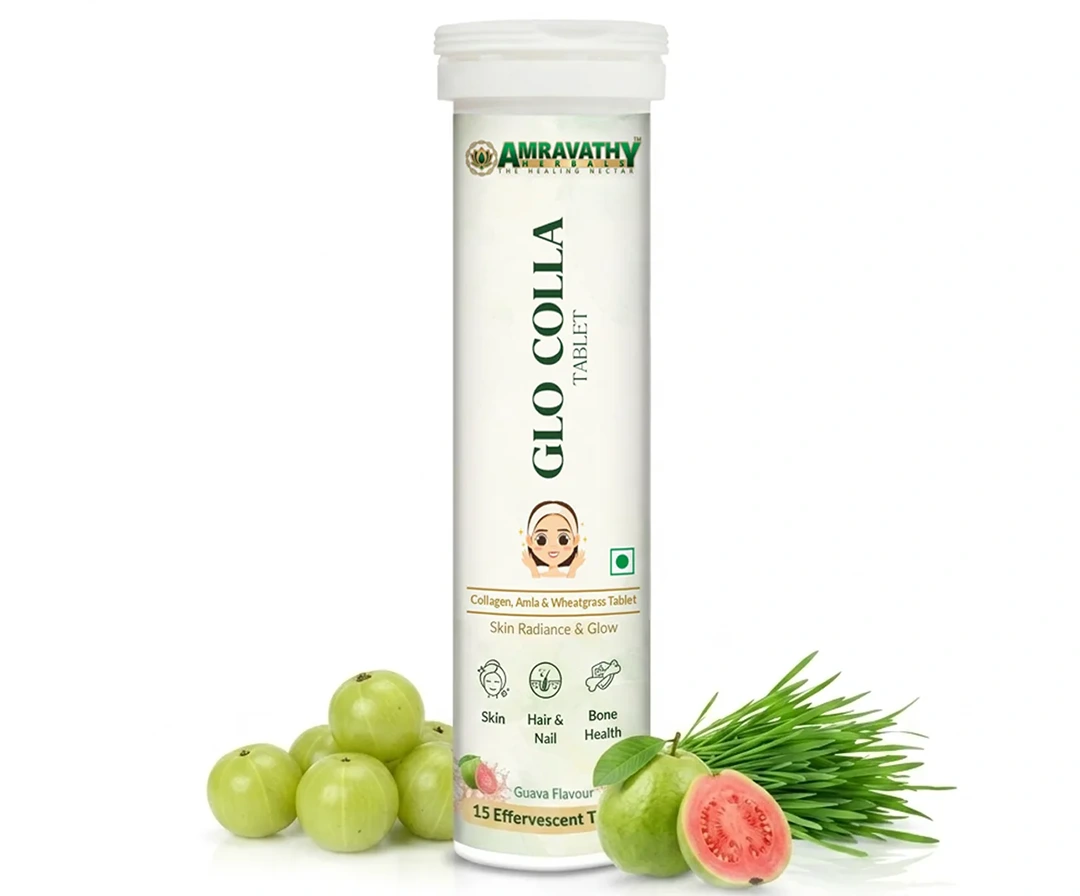
Glo Colla Effervescent Tablets – Vegan Collagen for Skin, Hair, Nails & Bone Health
Glow naturally with Amravathy Herbals Glo Colla Effervescent Tablets, a plant-based vegan collagen effervescent tablets supplement designed to support radiant skin, strong hair, healthy nails, and bone health. Packed with powerful superfoods and antioxidants, this refreshing guava-flavored drink delivers daily wellness in a convenient tablet.
Nevertheless, Amla remains an interesting example of how a traditional food and Ayurvedic ingredient can become the subject of modern nutritional and clinical research.
What scientists are still uncovering: Which compounds in Amla contribute most to its biological effects, which doses are appropriate and whether improvements in metabolic markers translate into meaningful long-term health outcomes.
4. Triphala and the Modern Interest in Digestive Health
Triphala is a traditional Ayurvedic formulation made from three fruits: Amla (Emblica officinalis), Haritaki (Terminalia chebula) and Bibhitaki (Terminalia bellirica).
For generations, Triphala has been used traditionally in connection with digestion and general wellbeing. Modern researchers have become interested in its complex mixture of phytochemicals.
Research has identified compounds such as gallic acid, ellagic acid, chebulic acid and chebulinic acid in Triphala. Laboratory and animal studies have investigated antioxidant, antimicrobial, gastrointestinal and metabolic properties, while human research remains more limited.
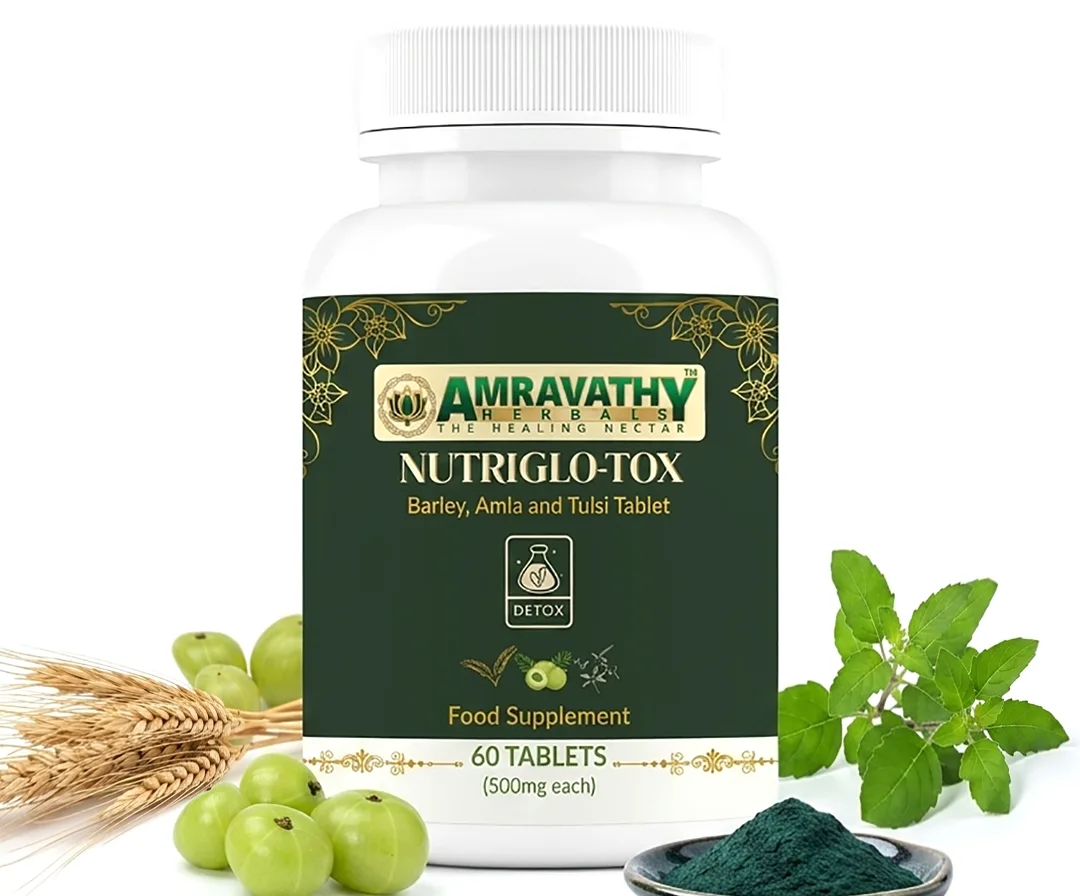
Nutriglo-Tox Detox Tablets – Barley, Amla & Tulsi Supplement for Immunity, Digestion & Energy (60 Tablets, 500mg Each)
Boost your daily wellness with Amravathy Herbals Nutriglo-Tox Detox Tablets, a powerful blend of barley grass, amla, tulsi, and herbal ingredients designed to support detoxification, immunity, digestion, and energy levels.
The interesting scientific question is whether combining several plants produces effects that are different from—or potentially greater than—those of individual ingredients.
This is also where Ayurveda presents an interesting challenge for modern research. Conventional drug development often focuses on one active compound, whereas traditional formulations can contain dozens or hundreds of naturally occurring compounds.
What scientists are still uncovering: How combinations of Ayurvedic plants interact, how Triphala influences digestive physiology and which traditional uses can be supported by high-quality human research.
5. Brahmi and the Science of Memory and Cognitive Health
Brahmi is commonly associated with Bacopa monnieri, a traditional Ayurvedic herb that has attracted considerable interest in cognitive research.
Ayurvedic traditions have historically associated Brahmi with mental function and memory. Modern researchers have therefore investigated whether Bacopa extracts influence aspects of cognition.
Clinical research has produced some encouraging findings. Systematic reviews of randomized controlled trials have reported possible improvements in certain memory measures, particularly memory recall. However, results have not been equally consistent across every aspect of cognition.
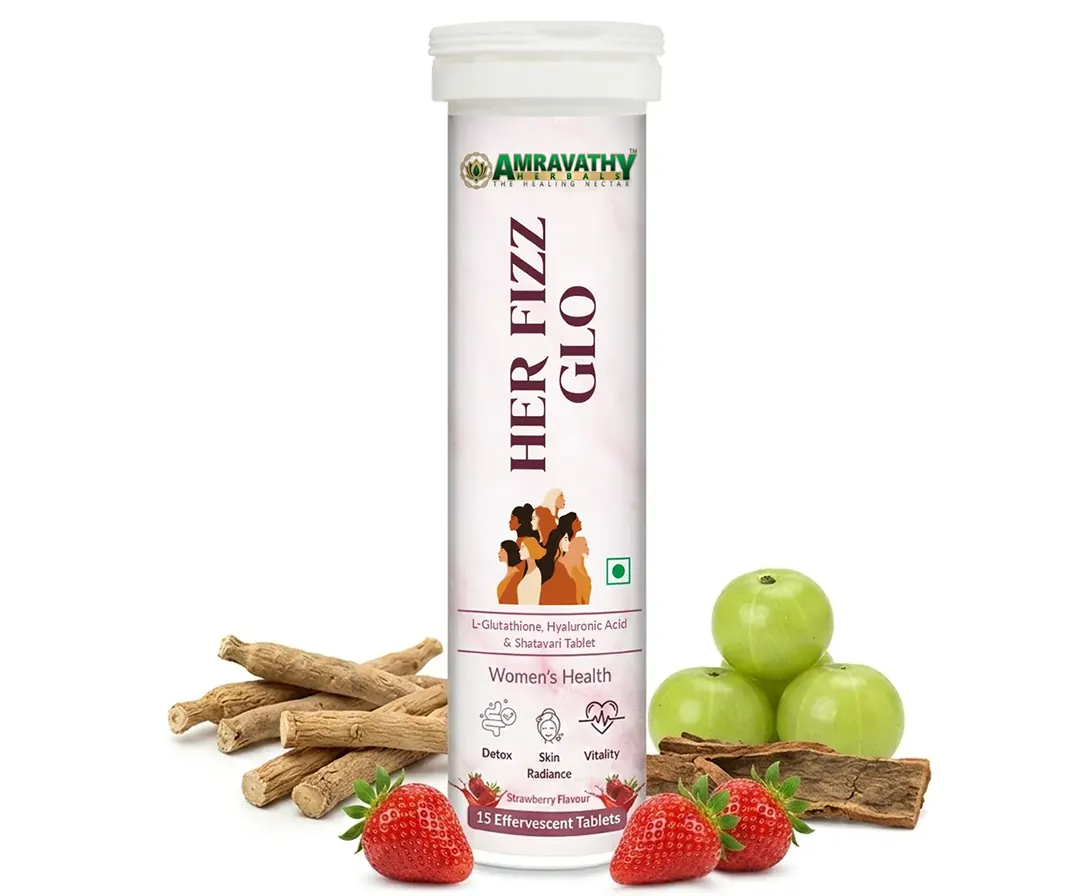
Her Fizz Glo Glutathione tablets for skin and Women’s Health – Skin Glow, Hormonal Balance & Detox Support (15 Effervescent Tablets)
Boost your daily wellness with Amravathy Herbals Her Fizz Glo is a Glutathione tablets for skin and women’s health – a powerful blend of L-Glutathione, Hyaluronic Acid, Shatavari, Ashwagandha & Amla designed to support skin glow, hormonal balance, detoxification, and vitality.
This distinction matters because a traditional claim about supporting memory is very different from claiming that an herb can prevent or treat dementia.
Modern researchers continue to investigate Bacopa’s active constituents, including bacosides, and how they may influence neurological pathways.
What scientists are still uncovering: Whether standardized Bacopa extracts can produce reproducible improvements in particular cognitive functions and how these findings translate into long-term cognitive health.
6. Guduchi or Giloy: Traditional Immunity Claims and the Importance of Safety
Guduchi, commonly known as Giloy and botanically identified as Tinospora cordifolia, is another important Ayurvedic plant.
Traditionally, Guduchi has been used in different formulations associated with vitality and immune-related wellbeing. Modern laboratory research has identified numerous phytochemicals and investigated possible biological activities.
However, Guduchi also provides an important lesson about safety and quality control.
Scientific literature has reported cases of liver injury associated with products sold as Guduchi or Giloy. Researchers have also raised concerns about the identification and possible substitution of different Tinospora species.
This demonstrates why herbal medicine requires proper botanical identification, standardized preparation, quality control and appropriate safety monitoring.
Traditional use alone cannot guarantee that every commercial product is safe.
What scientists are still uncovering: Which preparations of Guduchi are appropriate, how botanical identity affects safety, which constituents produce biological effects and how quality control can protect consumers.
7. Fenugreek and Metabolic Health
Fenugreek (Trigonella foenum-graecum) is both a familiar Indian kitchen ingredient and a traditional medicinal plant.
Its seeds contain fiber, saponins and other phytochemicals that have attracted scientific interest, particularly in relation to glucose metabolism.
Several clinical trials and systematic reviews have investigated fenugreek supplementation in people with type 2 diabetes and related metabolic conditions.
Some meta-analyses have reported improvements in fasting glucose, post-meal glucose and HbA1c among participants taking fenugreek. However, researchers have also highlighted differences between studies and limitations in the quality of available evidence.
Fenugreek should therefore not be presented as a replacement for prescribed diabetes treatment. Instead, it is an example of a traditional food/herb that warrants continued investigation.
What scientists are still uncovering: How fenugreek’s fiber and phytochemicals influence glucose metabolism, what quantities are appropriate and whether long-term supplementation provides meaningful clinical benefits.
8. Shatavari and Women’s Wellness
Shatavari (Asparagus racemosus) has traditionally held an important place in Ayurveda, particularly in women’s health.
Modern researchers have begun investigating standardized Shatavari preparations in areas including postpartum wellbeing, lactation and menopausal symptoms.
Recent clinical research has reported encouraging findings. A randomized controlled study investigated Shatavari root extract in postpartum women and reported increased milk volume and maternal satisfaction compared with placebo.
Another randomized controlled study examined a standardized Shatavari preparation in perimenopausal women and reported improvements in menopausal symptom measures.
These findings are interesting but should be interpreted in context. Studies involving relatively small numbers of participants need to be followed by larger, independently conducted trials before broad conclusions can be made.
What scientists are still uncovering: How Shatavari’s steroidal saponins and other compounds interact with biological pathways, which women’s health applications have the strongest evidence and how different preparations compare.
9. Prakriti and the Possibility of Personalized Ayurveda
Perhaps one of Ayurveda’s most fascinating concepts from a modern research perspective is Prakriti.
In traditional Ayurveda, Prakriti refers broadly to an individual’s constitutional characteristics. Ayurvedic practitioners may consider these characteristics when developing personalized approaches involving diet, lifestyle and therapies.
Modern medicine is increasingly interested in personalization too.
Genetics, metabolic profiles, microbiome research and individual risk factors are all being studied to understand why different people respond differently to the same intervention.
Researchers are therefore asking whether traditional constitutional classifications such as Prakriti can be measured consistently and correlated with objective biological characteristics.
This is an intriguing research area, but it remains an area of investigation rather than established clinical science.
The challenge is to develop reproducible assessment methods while respecting the complexity of the traditional Ayurvedic framework.
What scientists are still uncovering: Whether Prakriti classifications consistently correlate with measurable biological characteristics and whether they can eventually contribute to evidence-based personalized wellness.
10. Rasayana and the Modern Search for Healthy Ageing
Ayurveda’s concept of Rasayana is traditionally associated with rejuvenation, vitality and maintaining health throughout life.
Modern science has developed an enormous interest in healthy ageing and longevity. Researchers investigate processes including oxidative stress, inflammation, mitochondrial function, cellular senescence and changes in immune and metabolic function.
Some Ayurvedic herbs traditionally associated with Rasayana have therefore become subjects of modern research.
Laboratory studies have identified potentially interesting biological activities in several plants, but laboratory findings should not be confused with proof of longer human lifespan.
A review of Ayurvedic approaches to healthy ageing discussed potential relationships between traditional herbs and biological processes involved in ageing while emphasizing the need for stronger clinical evidence.
This may become one of the most fascinating areas of future research: understanding whether traditional approaches to maintaining vitality can contribute to modern concepts of healthy ageing.
What scientists are still uncovering: Whether particular Ayurvedic herbs and Rasayana practices can produce measurable improvements in human healthspan, function and quality of life.
Ayurveda’s Biggest Secret May Be the Questions It Asks
The most interesting part of Ayurveda’s relationship with modern science may not be whether every traditional claim will eventually be proven.
It may be the questions Ayurveda continues to generate.
Why do individuals respond differently to the same foods and herbs?
How important are sleep and daily routines to long-term wellbeing?
Can combinations of plants produce different effects from individual herbs?
How does digestion interact with broader health?
Can traditional approaches to healthy ageing provide new research directions?
These questions fit naturally into several areas of contemporary research, including personalized health, nutrition, gut health, plant chemistry, preventive healthcare and healthy ageing.
At the same time, modern science gives Ayurveda an important tool: the ability to test assumptions.
A traditional use can become a research hypothesis.
A laboratory observation can lead to a clinical trial.
A clinical trial can produce positive, negative or inconclusive results.
Each result adds to our understanding.
The Future of Ayurveda and Modern Science
The future of Ayurveda does not need to be a competition between ancient tradition and modern medicine.
Instead, it can be a conversation.
Traditional knowledge can provide centuries of observations and ideas. Modern science can provide powerful methods for testing those ideas.
Researchers can investigate individual herbs, combinations, extraction methods, dosage, safety, biological mechanisms and clinical outcomes.
The World Health Organization’s current strategy strongly emphasizes this evidence-based approach, highlighting research, safety, quality, regulation and appropriate integration of traditional medicine into healthcare. [1]
This is an important moment for Ayurveda.
The objective should not be to prove that everything traditional is correct.
Nor should ancient knowledge be dismissed simply because it comes from a traditional system.
The objective should be to investigate.
Some traditional practices may eventually receive strong scientific support.
Some may require modification.
Some may prove ineffective for particular conditions.
And some may lead scientists toward discoveries that could not have been anticipated.
Conclusion: Ancient Questions, Modern Answers
Ayurveda represents one of the world’s oldest traditions of health and wellbeing. Modern science represents one of humanity’s most powerful methods for understanding the body, plants and the natural world.
When the two meet responsibly, they can create an opportunity for discovery.
Ashwagandha is being investigated for stress and anxiety. Turmeric and curcumin continue to attract research into joint health and other biological pathways. Amla is being investigated for metabolic and cardiovascular markers. Triphala remains an interesting multi-herb formulation for scientific investigation. Brahmi has generated research into memory and cognition. Fenugreek is being studied in metabolic health. Shatavari is attracting attention in women’s wellness. Guduchi illustrates both the potential and safety challenges of herbal medicine. Prakriti raises questions about personalized health, while Rasayana connects ancient rejuvenation concepts with modern healthy-ageing research.
None of this means that science has already validated every Ayurvedic claim.
It means the questions are being asked.
And with better clinical trials, improved standardization, advanced analytical technologies and stronger safety monitoring, researchers may uncover new information about plants and traditional health practices that have been used for generations.
Ancient wisdom can provide the questions. Modern science can help us discover the answers.
Important Note
Ayurvedic herbs and supplements are not automatically risk-free because they are natural. Evidence varies considerably between herbs, extracts, formulations and health conditions. Some herbal products can interact with medicines or may be unsuitable for certain individuals. Anyone who is pregnant or breastfeeding, taking prescription medicines, or managing a medical condition should consult a qualified healthcare professional before using herbal supplements.
This article is intended for educational and informational purposes only and is not a substitute for professional medical advice, diagnosis or treatment.
References
[1] World Health Organization (WHO). Global Traditional Medicine Strategy 2025–2034.
WHO’s current strategy focuses on strengthening evidence, safety, quality, regulation and appropriate integration of traditional, complementary and integrative medicine into healthcare systems.
WHO — Global Traditional Medicine Strategy 2025–2034
[2] Arumugam V, et al. Effects of Ashwagandha (Withania somnifera) on stress and anxiety: A systematic review and meta-analysis. Explore. 2024.
The review included nine randomized controlled trials involving 558 participants and reported improvements in several stress and anxiety measures, while noting the need for further research on safety and efficacy.
PubMed — Ashwagandha, Stress and Anxiety Meta-analysis
[3] Akhgarjand C, et al. Does Ashwagandha supplementation have a beneficial effect on the management of anxiety and stress? Phytotherapy Research. 2022.
The meta-analysis included 12 studies with 1,002 participants and reported reductions in stress and anxiety, while rating the certainty of evidence as low.
PubMed — Ashwagandha Stress and Anxiety Review
[4] U.S. National Center for Complementary and Integrative Health (NCCIH). Turmeric.
NCCIH provides information on the evidence, safety considerations and potential adverse effects associated with turmeric and curcumin products.
NCCIH — Turmeric: Usefulness and Safety
[5] U.S. National Center for Complementary and Integrative Health (NCCIH). Ashwagandha.
NCCIH summarizes current evidence concerning Ashwagandha’s potential effects and safety considerations.
NCCIH — Ashwagandha: Usefulness and Safety
[6] World Health Organization. Traditional, Complementary and Integrative Medicine.
WHO’s traditional medicine programme emphasizes evidence-based approaches, safety, regulation and appropriate integration into health systems.
WHO — Traditional, Complementary and Integrative Medicine
[7] Wong YM, et al. Policy implications of WHO’s Global Traditional Medicine Strategy 2025–2034. Bulletin of the World Health Organization. 2025.
The publication discusses the importance of strengthening research evidence and addressing methodological challenges associated with complex and individualized traditional medicine systems.
PubMed — WHO Traditional Medicine Strategy Policy Analysis
[8] WHO. WHA78: Traditional medicine takes centre stage. 2025.
The World Health Assembly’s adoption of the new traditional medicine strategy highlighted research, innovation, regulation, safety, quality and collaboration.
WHO — Traditional Medicine Takes Centre Stage
[9] Ayurveda in Contemporary Healthcare: A Narrative Overview of Select Therapeutic Interventions and Their Emerging Clinical and Mechanistic Perspectives. 2026.
This recent review describes emerging research on selected Ayurvedic interventions while emphasizing variability in evidence, standardization, safety evaluation and the need for rigorous clinical trials.