

Ayurvedic Approach to Arthritis: Herbs, Lifestyle & Natural Joint Support

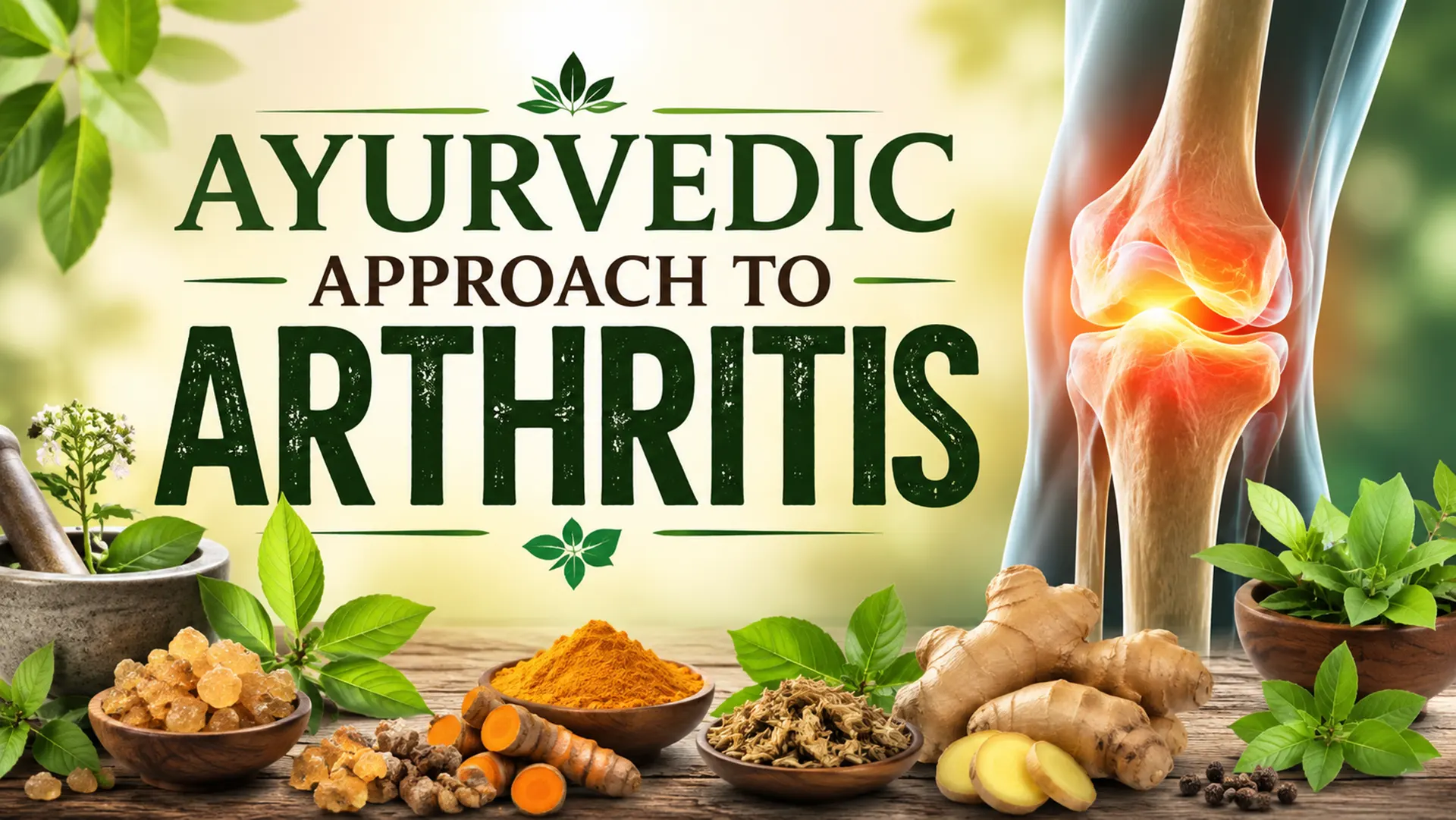
Arthritis is a broad term for conditions that affect the joints and may cause pain, stiffness, swelling, reduced mobility and difficulty performing everyday activities. Common forms include osteoarthritis (OA), which is associated with changes in joint tissues over time, and rheumatoid arthritis (RA), an autoimmune condition. Ayurveda approaches joint health holistically, traditionally considering factors such as digestion, metabolism, lifestyle, activity level and the balance of Vata, Pitta and Kapha. Modern research suggests that some Ayurvedic approaches and herbal ingredients may help manage symptoms, although evidence varies considerably between herbs and formulations.
Understanding Arthritis Through Ayurveda
In Ayurveda, joint discomfort and stiffness are commonly associated with an aggravation of Vata dosha, particularly when dryness, cold exposure, excessive physical activity, irregular routines or ageing are involved. Traditional Ayurvedic approaches therefore emphasize warmth, appropriate movement, nourishing foods, oil massage and herbs traditionally used for joint comfort.
From a modern medical perspective, arthritis can have several different causes and mechanisms. Osteoarthritis, for example, involves changes to cartilage and other joint structures, while rheumatoid arthritis involves an abnormal immune response. Therefore, an Ayurvedic approach should be considered supportive rather than a replacement for appropriate medical diagnosis and treatment. Research into Ayurveda for osteoarthritis has reported promising findings for some preparations, but researchers also note limitations in study quality and the need for better-designed clinical trials.
Helpful Ayurvedic Herbs for Joint Health
1. Boswellia Serrata (Shallaki)
Boswellia serrata, traditionally known as Shallaki, is one of the most researched Ayurvedic herbs for joint health. Its resin contains compounds called boswellic acids, which have been investigated for their effects on inflammatory pathways.
A systematic review and meta-analysis of seven clinical trials involving 545 people with osteoarthritis found that Boswellia preparations were associated with improvements in pain, stiffness and physical function compared with control groups.
Another meta-analysis of randomized controlled trials found that Boswellia and curcuminoid preparations showed statistically significant improvements in knee osteoarthritis pain and function compared with placebo, although the researchers emphasized that the evidence was not yet strong enough to make definitive clinical recommendations.
Traditional role: Supports comfortable movement, joint flexibility and healthy inflammatory balance.
Reference: PubMed – Boswellia and Osteoarthritis Systematic Review
2. Turmeric (Curcuma longa)
Turmeric, or Curcuma longa, is a well-known Ayurvedic spice traditionally used to support healthy inflammatory balance. Its best-studied constituent is curcumin.
A systematic review and meta-analysis involving 16 randomized controlled trials and 1,810 adults with knee osteoarthritis found that turmeric extracts reduced knee pain and improved physical function compared with placebo. However, the researchers noted variability between studies and some uncertainty regarding the overall strength of the evidence.
The NCCIH also notes that preliminary research suggests curcumin has anti-inflammatory properties, while emphasizing that questions remain about optimal formulations, doses and long-term effects.
Traditional role: Supports healthy inflammatory response and overall joint comfort.
Reference: PubMed – Turmeric Extracts for Knee Osteoarthritis
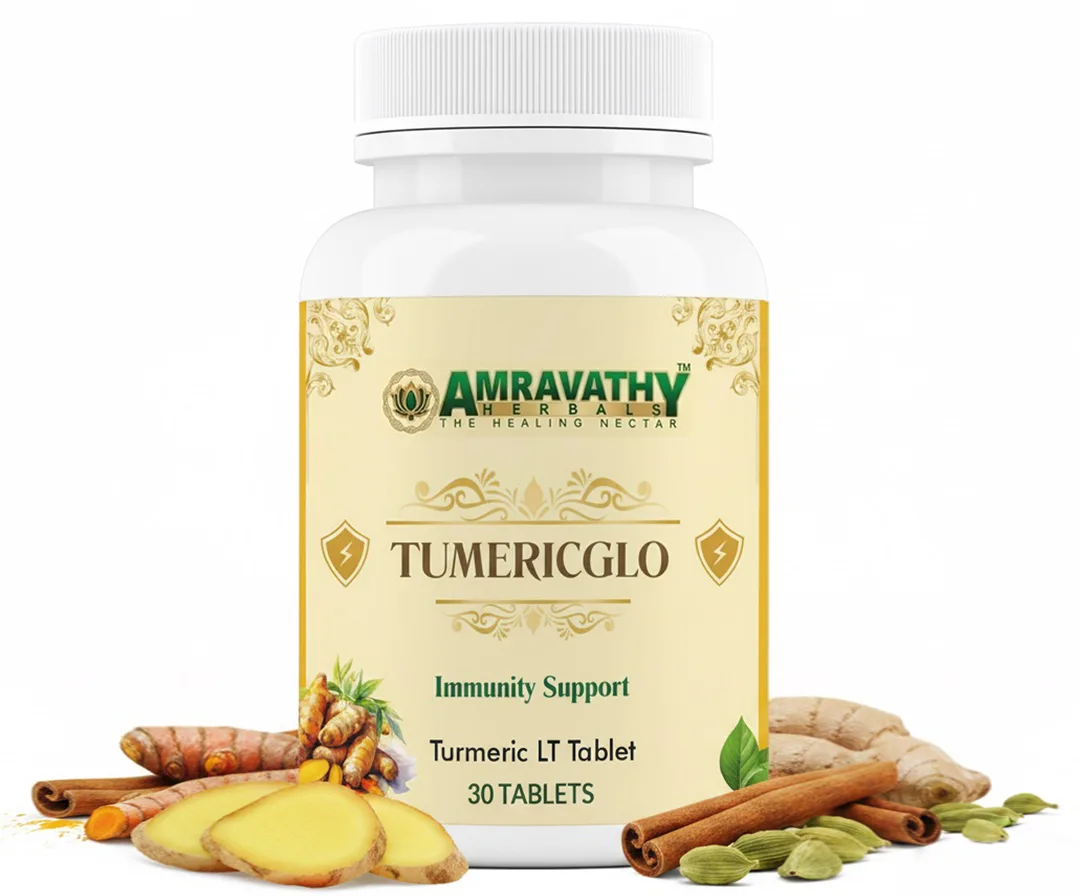
Tumericglo Turmeric Immunity Tablet | Turmeric & Herbal Anti-Inflammatory Supplement (30 Tablets)
Amravathy Herbals Tumericglo Turmeric Immunity Tablet is a powerful Ayurvedic formulation enriched with Turmeric, Ginger, Cinnamon, and Cardamom to naturally strengthen immunity, reduce inflammation, and support digestion. Ideal for daily wellness and seasonal protection.
3. Ginger (Zingiber officinale)
Ginger is traditionally valued in Ayurveda for supporting digestion and circulation and for its warming qualities. Ginger contains bioactive compounds such as gingerols and shogaols that have been investigated for their biological effects.
Research into ginger for osteoarthritis and musculoskeletal pain has produced mixed results. NCCIH notes that it remains unclear whether ginger supplements provide meaningful benefits for osteoarthritis, rheumatoid arthritis or general joint and muscle pain.
Therefore, ginger can be included as part of a balanced Ayurvedic dietary approach, but it should not be presented as a proven treatment for arthritis.
Traditional role: Supports digestion, warmth and general wellness.
4. Guduchi (Tinospora cordifolia)
Guduchi, traditionally called Amrita, is an important herb in Ayurveda and is traditionally used to support overall vitality and balanced immune function.
Ayurvedic formulations containing Guduchi have been investigated in joint-related conditions. A systematic review of Ayurvedic interventions for osteoarthritis found some evidence for certain multi-herb preparations, including Shunti-Guduchi, but researchers emphasized that more rigorous clinical research is needed.
Traditional role: Traditionally used for general wellness and maintaining balanced inflammatory and immune responses.
5. Ashwagandha (Withania somnifera)
Ashwagandha is traditionally considered a rejuvenating Ayurvedic herb and is widely used for supporting strength, vitality and stress management.
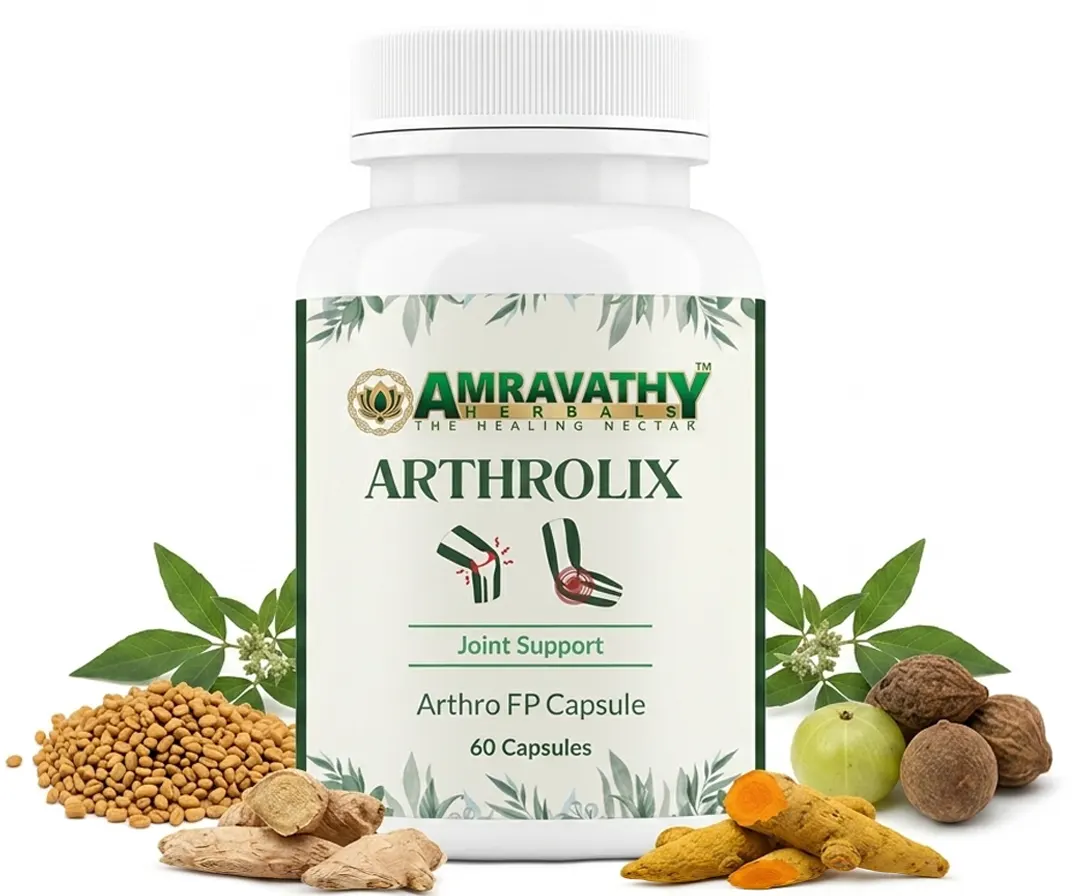
Arthrolix Joint Support Capsules – Ayurvedic Formula for Joint Pain, Inflammation & Mobility (60 Capsules, 450mg)
Amravathy Herbals Arthrolix Joint Support Capsules are a powerful Ayurvedic formulation designed to reduce joint pain, inflammation, and stiffness. Enriched with herbs like Nirgundee, Shallaki, and Ashishrunkala, it helps improve mobility and supports healthy bones and joints naturally.
For people dealing with chronic joint discomfort, maintaining healthy sleep, stress levels, muscle strength and physical activity can be important components of overall wellness. However, evidence specifically supporting Ashwagandha as a treatment for arthritis is less established than the evidence available for ingredients such as Boswellia and turmeric.
Traditional role: Supports general vitality, strength and resilience.
6. Nirgundi (Vitex negundo)
Nirgundi has a long history of traditional Ayurvedic use for musculoskeletal discomfort. It is commonly used in traditional external preparations such as oils and pastes.
Ayurvedic oil massage is often incorporated into traditional approaches to joint comfort. However, clinical evidence for individual Ayurvedic external preparations varies, so they should be viewed as complementary measures rather than replacements for evidence-based arthritis care.
Traditional role: Traditionally used externally for muscle and joint comfort.
Ayurvedic Oil Massage for Joint Comfort
One of the best-known Ayurvedic practices for musculoskeletal wellness is Abhyanga, or oil massage. Traditionally, warm herbal oils are massaged onto the body, with particular attention to areas affected by stiffness or discomfort.
For people with osteoarthritis, massage may provide short-term comfort and relaxation. NCCIH notes that there is a small amount of evidence suggesting massage therapy may help osteoarthritis symptoms.
A gentle massage can also be incorporated into a broader routine involving stretching and mobility exercises. However, painful, swollen or acutely inflamed joints should not be aggressively massaged.
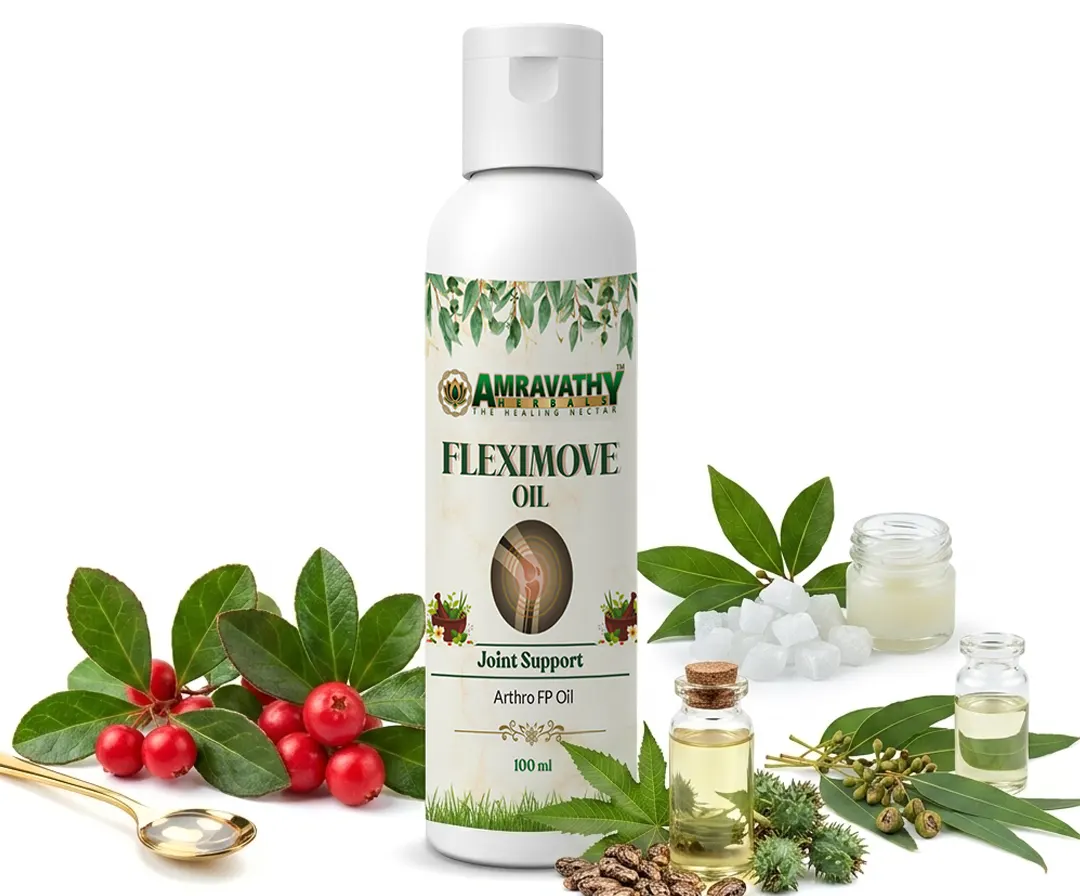
Fleximove Oil for Joint Pain Relief | Ayurvedic Joint Support Oil for Arthritis & Muscle Pain (100ml)
Amravathy Herbals Fleximove Joint Pain Relief Oil is a powerful Ayurvedic joint support oil formulated with natural herbs like Nilgiri, Datura, Gandhapura, and Til Oil to help relieve joint pain, inflammation, and muscle stiffness. Ideal for arthritis, back pain, and muscle spasms, it promotes better mobility and faster relief.
Diet and Arthritis-Friendly Eating
Ayurveda places considerable importance on digestion and appropriate food choices. A practical joint-supportive dietary pattern can emphasize:
- Fresh vegetables and seasonal fruits
- Whole grains and pulses according to individual tolerance
- Nuts and seeds
- Adequate protein
- Healthy fats
- Spices such as turmeric and ginger as culinary ingredients
- Adequate hydration
- Minimally processed foods
Maintaining a healthy body weight is particularly important for people with weight-bearing joint problems such as knee osteoarthritis. Excess body weight can increase mechanical stress on weight-bearing joints, while gradual weight management can support mobility and overall joint health.
Herbal supplements should not automatically be considered safer simply because they are “natural.” Some herbs can interact with medicines or cause adverse effects, and product quality can vary.
Yoga, Stretching and Gentle Exercise
Ayurveda works best as part of a broader lifestyle approach. Gentle movement can help maintain joint mobility, muscle strength and physical function.
Depending on the person’s condition, activities may include:
- Gentle yoga
- Walking
- Swimming
- Mobility exercises
- Light strengthening exercises
- Stretching
- Breathing and relaxation practices
Exercise should be adapted to the person’s age, mobility and medical condition. For someone with significant arthritis, a physiotherapist or qualified healthcare professional can help develop an appropriate exercise programme.
Research on osteoarthritis also supports several non-drug approaches for symptom management. NCCIH reports that activities such as tai chi may improve pain, stiffness and joint function in people with knee osteoarthritis.
Ayurveda and Osteoarthritis: What Does Research Say?
Scientific research into Ayurvedic treatments for osteoarthritis is growing, but it is important to distinguish traditional use from clinical evidence.
A systematic review examining 19 randomized and 14 non-randomized controlled trials involving 2,952 patients found promising results for certain Ayurvedic preparations. However, the authors also identified methodological limitations and called for better-designed clinical trials.
Among individual herbs, Boswellia serrata and turmeric/curcumin currently have some of the more substantial clinical research for osteoarthritis symptoms. Nevertheless, studies vary in preparation, dosage, duration and quality, meaning that results from one standardized extract cannot automatically be applied to every Ayurvedic product containing the same herb.
Important Safety Considerations
Ayurvedic herbs should be used responsibly. “Natural” does not necessarily mean risk-free. Herbal supplements may interact with prescription medicines or other supplements. Turmeric at high doses or with prolonged use may cause digestive symptoms such as indigestion, nausea or diarrhea.
It is also important to choose products from reputable manufacturers that follow appropriate quality-control practices. NCCIH warns that some Ayurvedic preparations may contain potentially toxic amounts of heavy metals such as lead, mercury or arsenic.
People taking regular medicines—particularly blood thinners, diabetes medicines, blood-pressure medicines or other long-term medications—should discuss herbal supplements with a doctor or qualified healthcare professional before using them.
When Should You See a Doctor?
Joint pain should not always be assumed to be ordinary age-related arthritis. Medical evaluation is particularly important when there is:
- Sudden or severe joint pain
- Significant swelling or redness
- Fever accompanying joint symptoms
- A joint that becomes hot and extremely painful
- Persistent morning stiffness
- Progressive loss of movement
- Unexplained weight loss or severe fatigue
- Pain following a significant injury
Rheumatoid arthritis and other inflammatory joint diseases require proper diagnosis and management. Ayurvedic herbs may potentially be used as complementary wellness measures, but they should not replace prescribed treatment.
A Holistic Ayurvedic Approach to Joint Wellness
A sensible Ayurvedic approach to arthritis can combine appropriate nutrition, regular gentle movement, healthy body weight, adequate rest, stress management, massage and carefully selected herbal ingredients.
Among the herbs commonly discussed for joint support, Boswellia serrata (Shallaki), turmeric (Curcuma longa), ginger, Guduchi, Ashwagandha and Nirgundi have different traditional roles. Of these, Boswellia and turmeric have comparatively stronger clinical research for osteoarthritis symptoms, although further high-quality research is still needed.
The goal should not be to promise a “cure” for arthritis, but to support comfortable movement, joint flexibility, physical function and overall wellbeing through a comprehensive and responsible approach.
References
- NCCIH – Osteoarthritis: In Depth
- NCCIH – Ayurvedic Medicine: In Depth
- PubMed – Ayurvedic Interventions for Osteoarthritis: Systematic Review and Meta-analysis
- PubMed – Effectiveness of Boswellia for Osteoarthritis: Systematic Review and Meta-analysis
- PubMed – Efficacy of Curcumin and Boswellia for Knee Osteoarthritis
- PubMed – Turmeric Extracts for Knee Osteoarthritis: Systematic Review and Meta-analysis
- NCCIH – Nutritional Approaches for Musculoskeletal Pain and Inflammation