
Ayurvedic Approach to PCOS: Helpful Herbs, Lifestyle & Holistic Wellness

Polycystic Ovary Syndrome (PCOS) is a common hormonal and metabolic condition affecting women during the reproductive years. It may be associated with irregular or absent periods, difficulty with ovulation, acne, increased facial or body hair, scalp hair thinning, insulin resistance and changes in body weight. PCOS is a complex condition, so its management generally needs to address reproductive, metabolic, psychological and lifestyle factors rather than focusing on a single symptom. Current international guidance places healthy lifestyle management at the centre of PCOS care. 2023 International Evidence-Based PCOS Guideline – Monash University
From an Ayurvedic perspective, women’s health is viewed through the balance of Doshas, Agni (digestive/metabolic function), Dhatus and Srotas, together with diet, sleep, activity and mental wellbeing. Ayurvedic approaches traditionally aim to support balanced digestion, metabolism and healthy menstrual function. However, Ayurveda should be considered a complementary approach rather than a replacement for medical diagnosis or evidence-based treatment, particularly because PCOS can increase long-term metabolic and reproductive health risks. International PCOS Guideline recommendations
Understanding PCOS Through a Holistic Ayurvedic Lens
Ayurveda does not have a one-to-one equivalent of the modern diagnosis of PCOS. Instead, an Ayurvedic practitioner may assess an individual’s menstrual pattern, digestion, appetite, sleep, activity, body composition and other symptoms and formulate an individualized approach. This is important because PCOS presents differently from person to person: one woman may primarily experience irregular cycles, another may have acne and unwanted hair growth, while another may have prominent metabolic concerns. Modern guidelines similarly emphasize individualized care and shared decision-making. International Evidence-Based Guideline – Monash University
A practical Ayurvedic-inspired wellness strategy can therefore focus on supporting healthy digestion, balanced nutrition, regular physical activity, adequate sleep and stress management. These measures overlap considerably with modern PCOS recommendations. Importantly, lifestyle benefits can occur even without weight loss, and healthy lifestyle habits are recommended for women with PCOS regardless of whether they are overweight. PCOS Lifestyle Management Evidence Summary
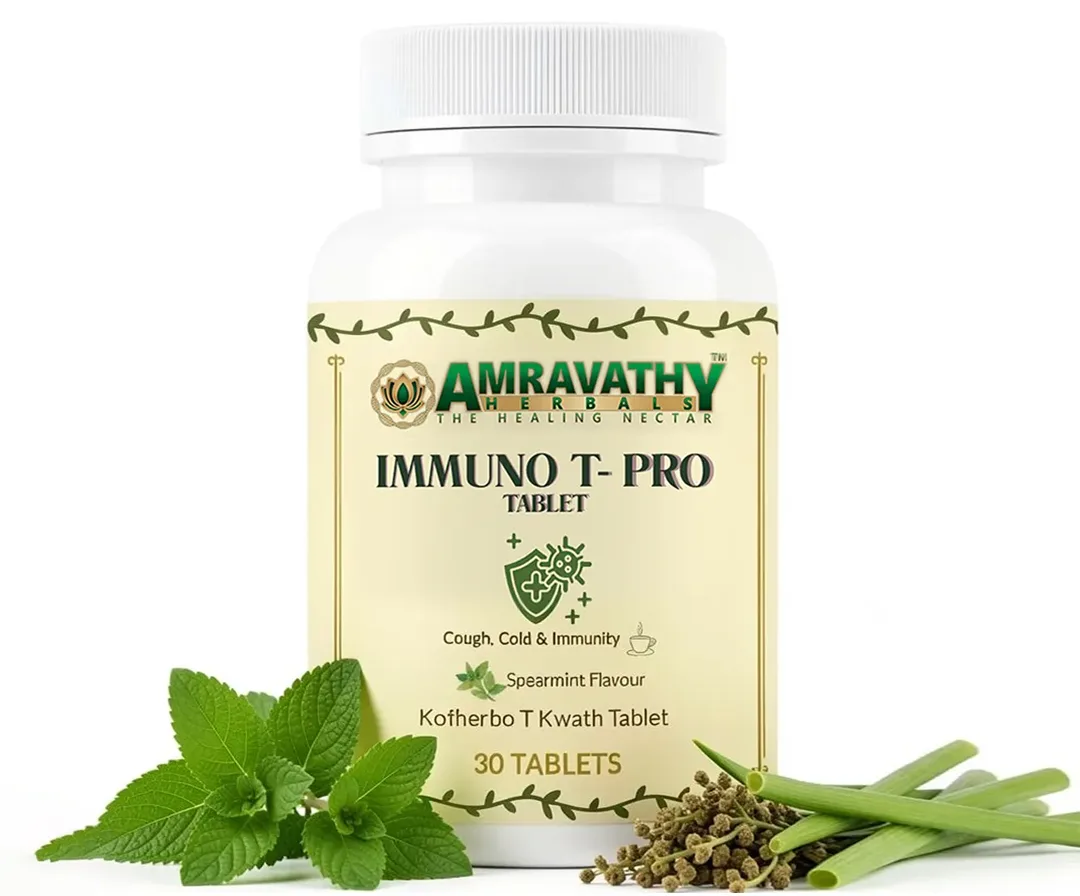
Immuno T-Pro Tablet for Cough, Cold & Immunity Support
Amravathy Herbals Immuno T-Pro Tablet is an Ayurvedic herbal formulation designed to support respiratory wellness, soothe throat irritation, and help support immunity naturally. Enriched with Tulsi, Yashtimadhu, Dalchini, Lavang, Sunthi, Kali Miri and Lemon Grass, these spearmint-flavoured tablets may help provide natural support for cough, cold and throat discomfort.
✔ Supports respiratory wellness
✔ Helps soothe throat irritation
✔ Supports immunity naturally
✔ Herbal Spearmint Flavour
✔ 30 Tablets | 840mg per Tablet
1. Diet: The Foundation of PCOS Wellness
There is no single diet that has been proven to be the universally best diet for PCOS. Instead, international guidelines recommend healthy eating according to individual preferences and nutritional needs. A balanced pattern can include vegetables, whole fruits, legumes, whole grains, nuts, seeds, adequate protein and healthy fats while limiting excessive intake of highly processed foods and added sugars. The goal should be sustainable healthy eating rather than extreme dieting. 2023 PCOS Guideline PDF
From an Ayurvedic perspective, freshly prepared, easily digestible meals and appropriate meal timing may be emphasized according to individual constitution and digestive capacity. Fibre-rich foods, vegetables, pulses and protein-containing foods can also help create meals with greater nutritional density. People with PCOS who have blood-sugar or metabolic concerns should discuss individualized nutrition with a qualified healthcare professional or registered dietitian rather than relying on restrictive food rules. International PCOS Guideline – Lifestyle Recommendations
2. Regular Exercise and Movement
Physical activity is one of the most important non-pharmacological components of PCOS management. Regular exercise can support cardiovascular health, physical fitness, metabolic health and weight management. The international guideline recommends physical activity for women with PCOS and recognizes benefits even when significant weight loss does not occur. A combination of aerobic exercise, resistance training and everyday movement can be incorporated according to fitness level and preference. Evidence Summary: Lifestyle Management in PCOS
An Ayurvedic lifestyle routine may incorporate Yoga, Pranayama and mindful movement alongside walking or strength-based exercise. Yoga should not be presented as a cure for PCOS, but it can be a useful component of a broader healthy lifestyle, particularly when combined with regular physical activity and stress-management practices. The most effective exercise routine is generally one that a person can perform consistently over the long term. International Evidence-Based PCOS Guideline
3. Cinnamon: A Promising Culinary Herb
Cinnamon (Cinnamomum spp.) is one of the herbs frequently discussed in relation to PCOS, particularly because of its potential relationship with glucose metabolism and insulin resistance. A systematic review and meta-analysis of clinical trials reported that cinnamon supplementation was associated with improvements in some metabolic parameters in women with PCOS, including fasting glucose, fasting insulin and HOMA-IR, although the authors emphasized the need for larger and longer studies. PubMed – Cinnamon and Metabolic Parameters in PCOS
Another meta-analysis found that cinnamon supplementation significantly reduced HOMA-IR in women with PCOS, suggesting a possible beneficial effect on insulin-resistance markers. However, these findings do not mean cinnamon can replace prescribed treatment or that every person with PCOS will experience the same effect. Culinary use of cinnamon can be part of a balanced diet, while concentrated supplements should be discussed with a healthcare professional. PubMed – Cinnamon and Glycemic Control in PCOS
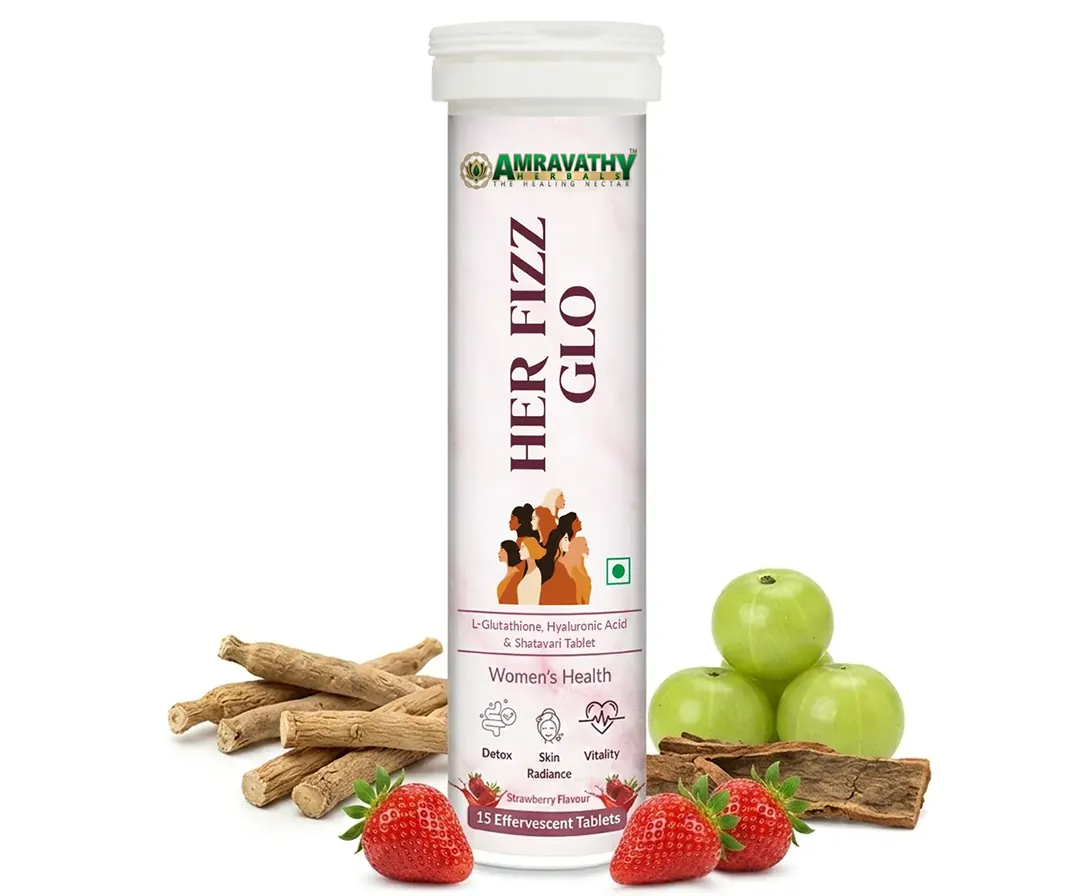
Her Fizz Glo Glutathione tablets for skin and Women’s Health – Skin Glow, Hormonal Balance & Detox Support (15 Effervescent Tablets)
Boost your daily wellness with Amravathy Herbals Her Fizz Glo is a Glutathione tablets for skin and women’s health – a powerful blend of L-Glutathione, Hyaluronic Acid, Shatavari, Ashwagandha & Amla designed to support skin glow, hormonal balance, detoxification, and vitality.
✔ Effervescent formula for fast absorption
✔ Delicious strawberry flavour
✔ Hydration + Skin Radiance + Energy Boost
4. Spearmint: Traditionally Considered for Excess Androgens
Spearmint (Mentha spicata) has attracted attention because of preliminary evidence regarding androgen-related symptoms. In a small randomized controlled trial involving women with PCOS and hirsutism, spearmint tea consumed twice daily for one month was associated with reductions in free and total testosterone and improvements in participants’ self-reported assessment of hirsutism. However, the objective Ferriman-Gallwey hirsutism score did not show a statistically significant difference between groups during the short study period. PubMed – Spearmint Tea and PCOS
This means spearmint is an interesting supportive herb but should not be marketed as a proven treatment for excess facial hair or hormonal imbalance. Hair growth cycles are long, and a short-term herbal intervention may not produce obvious visible changes. Women experiencing significant hirsutism, acne or menstrual irregularity should have their symptoms properly assessed rather than relying solely on herbal teas. PubMed – Spearmint Randomized Controlled Trial
5. Fenugreek: A Traditional Ayurvedic Ingredient
Fenugreek (Trigonella foenum-graecum) is widely used in Indian food and traditional medicine and is often discussed for its relationship with digestion and glucose metabolism. It contains fibre and several bioactive compounds that have been investigated for metabolic effects. However, evidence specifically establishing fenugreek as an effective treatment for PCOS remains less robust than the evidence for lifestyle interventions, and it should therefore be regarded as a supportive dietary herb rather than a treatment for the underlying condition. 2023 International PCOS Guideline – Evidence-Based Management
Fenugreek can be incorporated into normal cooking in appropriate amounts, but concentrated supplements may interact with medicines or affect blood glucose. Individuals taking diabetes medicines, anticoagulants or other regular medications should seek professional advice before using concentrated herbal preparations.
6. Turmeric and Curcumin
Turmeric (Curcuma longa) is another important Ayurvedic culinary herb. Curcumin, one of turmeric’s major bioactive compounds, has been studied for antioxidant and anti-inflammatory properties. These mechanisms are scientifically interesting because PCOS can involve metabolic and inflammatory disturbances. However, laboratory or mechanistic evidence should not be interpreted as proof that turmeric cures PCOS. Herbal ingredients should be viewed as potentially supportive components of a broader lifestyle and healthcare plan. PubMed – Mechanistic and Therapeutic Insights into Cinnamon in PCOS
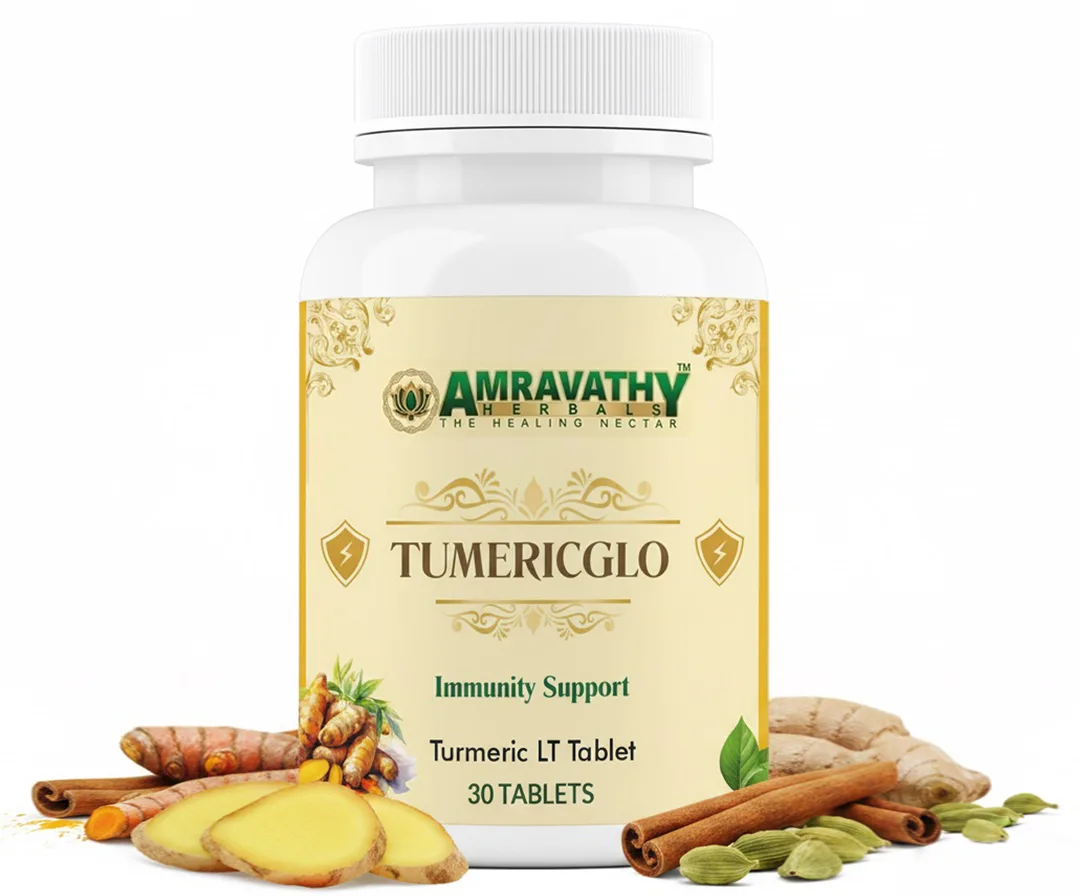
Tumericglo Turmeric Immunity Tablet | Turmeric & Herbal Anti-Inflammatory Supplement (30 Tablets)
Amravathy Herbals Tumericglo Turmeric Immunity Tablet is a powerful Ayurvedic formulation enriched with Turmeric, Ginger, Cinnamon, and Cardamom to naturally strengthen immunity, reduce inflammation, and support digestion. Ideal for daily wellness and seasonal protection.
7. Shatavari and Women’s Wellness
Shatavari (Asparagus racemosus) is traditionally used in Ayurveda as a women’s wellness herb and is commonly associated with reproductive and hormonal health in Ayurvedic practice. However, traditional use should be distinguished from modern clinical evidence: there is currently not enough high-quality evidence to claim that Shatavari independently treats PCOS, restores ovulation or corrects hormonal imbalance. It may be considered as part of an individualized Ayurvedic wellness approach under qualified supervision rather than promoted as a standalone PCOS treatment.
8. Ashoka and Menstrual Health
Ashoka (Saraca asoca) has a long history of use in traditional Ayurvedic women’s health formulations, particularly those focused on menstrual wellbeing. It is often included in classical preparations intended to support healthy menstrual function. Nevertheless, PCOS involves multiple metabolic and endocrine pathways, so traditional menstrual-support herbs should not be assumed to treat all aspects of PCOS. Women with prolonged menstrual irregularity should obtain appropriate medical evaluation because persistent anovulation can have implications for reproductive and endometrial health. ASRM – International PCOS Guideline Recommendations
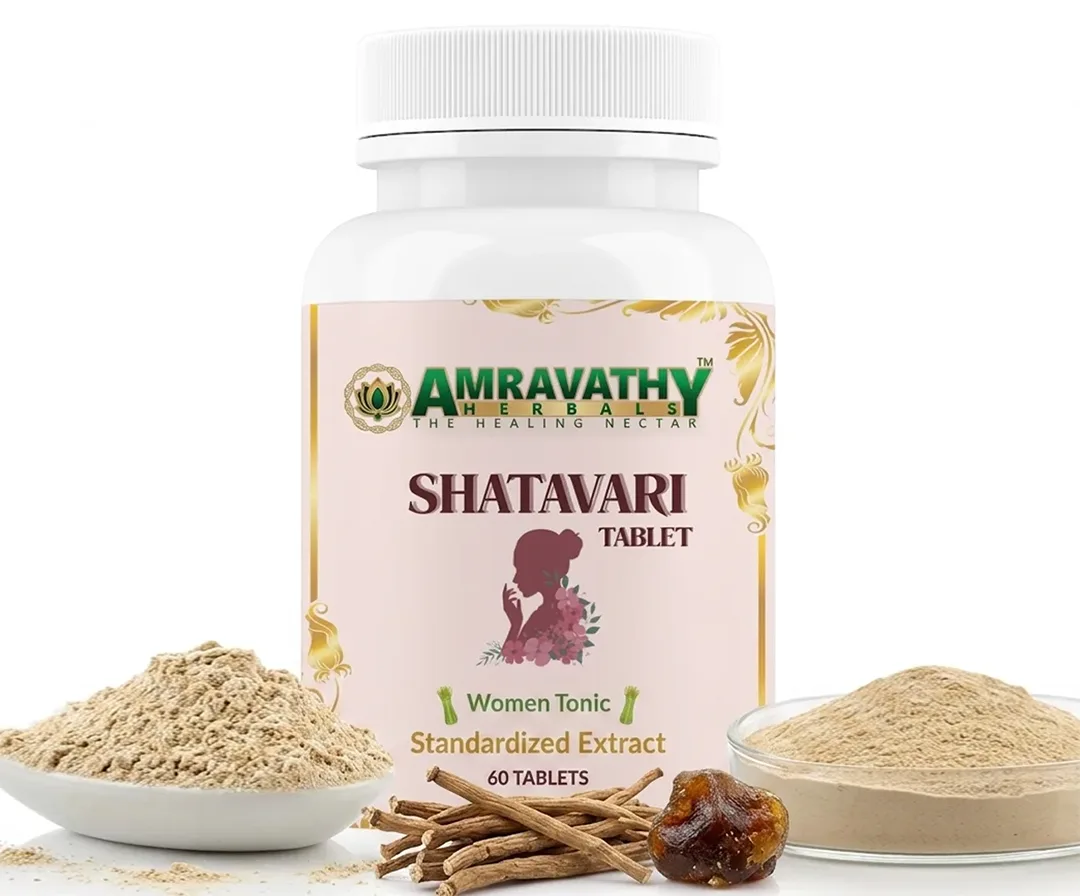
Shatavari Tablets 500mg – Ayurvedic Women Tonic for Hormone Balance, Fertility & Immunity
Support women’s wellness naturally with Amravathy Herbals Shatavari Tablets. This Ayurvedic formula helps balance hormones, improve reproductive health, support lactation, and boost immunity.
Shatavari (Asparagus racemosus) is a well-known Ayurvedic herb traditionally used to promote women’s overall health and vitality. These 500mg Shatavari tablets are formulated to help maintain hormonal balance, improve reproductive health, and support maternal wellness.
9. Berberine: An Herb-Derived Compound Requiring Professional Guidance
Berberine is a plant-derived compound found in several botanical species and has been extensively investigated in relation to metabolic health and PCOS. Systematic reviews and meta-analyses have reported potential improvements in some metabolic and reproductive-endocrine measures, including insulin resistance, but the quality and consistency of the available evidence vary. A 2019 systematic review included 12 randomized controlled trials and evaluated reproductive and metabolic outcomes in women with PCOS. PubMed – Berberine and PCOS Systematic Review
Berberine should not automatically be considered a harmless herbal alternative to medication. It can have pharmacological effects and may interact with medicines. The current international PCOS guideline specifically encourages women using complementary therapies to inform their healthcare professionals and emphasizes the importance of evidence, product quality and individualized decision-making. ASRM – 2023 PCOS Guideline: Inositol & Complementary Therapies
10. Inositol and PCOS
Although not an Ayurvedic herb, inositol is worth mentioning because it is frequently discussed in complementary approaches to PCOS. The 2023 international guideline states that inositol may be considered according to individual preferences and values because it has limited potential for harm and may improve some metabolic measures, but clinical benefits for ovulation, hirsutism and weight are limited. The guideline also states that specific types, doses or combinations cannot currently be recommended because of insufficient quality evidence. ASRM – 2023 International PCOS Guideline
11. Managing Stress and Supporting Sleep
Stress and poor sleep can make healthy lifestyle changes more difficult and may negatively affect overall wellbeing. PCOS care should therefore include attention to psychological wellbeing, sleep and sustainable daily routines. Ayurvedic practices such as meditation, breathing exercises, gentle yoga and a consistent bedtime routine may be used as supportive wellness practices. They should complement—not replace—assessment and treatment for anxiety, depression, sleep disorders or other health concerns when present. International PCOS Guideline – Monash University
12. Healthy Weight Management Without Extreme Dieting
Weight management can be an important component of PCOS care for women who want or need to address weight-related metabolic health. However, PCOS should never be reduced to a weight problem. The international guideline recommends healthy lifestyle behaviours for all women with PCOS and notes that benefits can occur without weight loss. Where weight loss is appropriate, individualized approaches should focus on sustainable nutrition, physical activity and long-term support rather than crash diets or excessive restriction. Monash PCOS Lifestyle Guideline
13. Ayurvedic Daily Routine for PCOS Wellness
A practical routine can begin with a consistent wake-up and sleep schedule, adequate hydration and a nourishing breakfast or first meal suited to individual needs. Meals can emphasize vegetables, pulses, whole grains, nuts, seeds and quality protein. Regular walking, resistance exercise or yoga can be incorporated throughout the week. Such habits are consistent with the evidence-based principle that lifestyle management is a core part of PCOS care. International Evidence-Based PCOS Guideline
14. What About Ayurvedic Panchakarma?
Panchakarma is sometimes promoted online as a way to “detox” the body and cure PCOS. Such claims should be approached cautiously. There is not sufficient high-quality evidence to recommend Panchakarma as a standalone treatment for PCOS. PCOS is a complex endocrine and metabolic condition, and appropriate medical evaluation remains important. If someone chooses to explore Panchakarma or other Ayurvedic procedures, they should consult a properly qualified practitioner and disclose all treatments and medicines they are using. 2023 International PCOS Guideline – Monash University
15. When Medical Evaluation Is Important
Ayurvedic wellness practices can be complementary, but PCOS symptoms deserve proper medical assessment. Women with very irregular or absent periods, significant abnormal bleeding, infertility concerns, rapidly increasing facial/body hair, severe acne, unexplained weight changes or symptoms suggesting diabetes should consult a qualified healthcare professional. PCOS management may involve menstrual-cycle management, metabolic screening, fertility treatment, treatment for androgen-related symptoms and other individualized interventions depending on the person’s goals. ASRM – PCOS Evidence-Based Recommendations
Ayurvedic Herbs That May Support PCOS Wellness
The following herbs and natural ingredients are commonly discussed in relation to PCOS and women’s wellness: Cinnamon, Spearmint, Fenugreek, Turmeric, Shatavari, Ashoka and other traditionally used Ayurvedic botanicals. Among these, cinnamon and spearmint have some human clinical evidence directly related to PCOS, while evidence for many traditional Ayurvedic herbs remains limited or indirect. Therefore, these ingredients should be described as supportive herbs for general wellness or specific health goals, rather than as cures for PCOS. PubMed – Cinnamon Research in PCOS
Safety: Natural Does Not Always Mean Risk-Free
Herbal supplements can have biological effects and may interact with prescription medicines. This is particularly important for women who are pregnant, trying to conceive, breastfeeding, taking medicines for diabetes or blood pressure, using anticoagulants, or receiving fertility treatment. Concentrated extracts can also differ substantially from culinary quantities of herbs. Anyone considering herbal supplementation for PCOS should discuss the specific product, ingredients and dose with a qualified healthcare professional. ASRM – Complementary Therapies and PCOS
Conclusion
An Ayurvedic approach to PCOS is best understood as a holistic wellness strategy, not a replacement for modern medical care. A balanced diet, regular exercise, adequate sleep, stress management and individualized use of traditional herbs may support overall wellbeing. Cinnamon and spearmint have some encouraging human evidence for specific PCOS-related outcomes, while herbs such as Shatavari, Ashoka, Fenugreek and Turmeric are traditionally valued but require more high-quality PCOS-specific research. International Evidence-Based PCOS Guideline – Monash University
The most effective approach is individualized: understand the symptoms, monitor metabolic and reproductive health, build sustainable lifestyle habits and use herbal or Ayurvedic therapies responsibly. PCOS is manageable, and combining evidence-based medical care with safe, personalized wellness practices can help women work toward better long-term health and quality of life. International PCOS Guideline – Evidence-Based Recommendations
Important Disclaimer
This article is for educational and general wellness information only. Ayurvedic herbs should not be presented as cures for PCOS, infertility, diabetes, obesity or hormonal disorders. Individual treatment should be based on medical evaluation and consultation with a qualified healthcare professional and, where appropriate, a qualified Ayurvedic practitioner. Women who are pregnant, trying to conceive, breastfeeding or taking prescription medicines should seek professional advice before using concentrated herbal supplements.