✔ Free Shipping Above ₹499. ✔ COD Available. 👉 Sign Up Now & Get Upto ₹1000. 👈

Ayurveda for Women After 40: A Natural Guide to Hormonal Balance, Energy & Healthy Aging

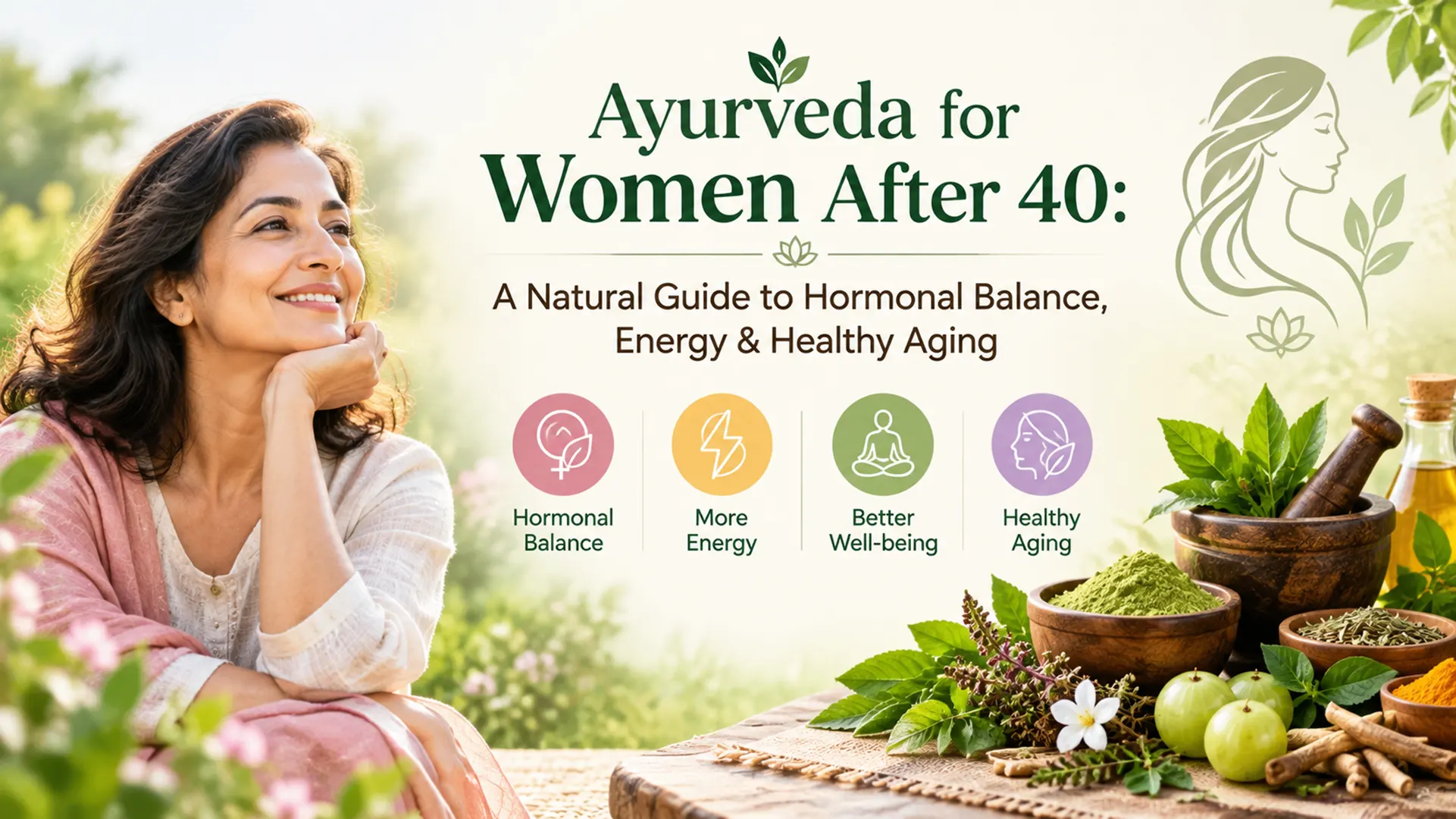
Turning 40 is not simply a milestone it can be the beginning of an important new chapter in a woman’s health journey. For many women, the 40s bring changes in energy, metabolism, sleep, digestion, skin, menstrual patterns, mood, and overall wellbeing. Some women may also begin experiencing perimenopause, the transitional period before menopause.
Ayurveda, the traditional Indian system of health and wellness, has long emphasized the importance of adapting lifestyle, nutrition, sleep, movement, and daily routines as the body changes with age. Rather than focusing only on individual symptoms, an Ayurvedic approach traditionally looks at the person as a whole.
However, modern women should combine traditional wellness practices with appropriate medical care. Evidence for many herbal supplements used for menopausal symptoms remains limited, and some supplements can interact with medicines or cause side effects.
So, how can Ayurveda support women after 40? Let’s explore.
Understanding Women’s Health After 40
Every woman’s experience after 40 is different. Some continue to have regular menstrual cycles, while others begin noticing changes associated with perimenopause.
Possible changes may include:
- Irregular or changing menstrual cycles
- Hot flashes or night sweats
- Difficulty sleeping
- Mood changes
- Occasional fatigue
- Changes in digestion
- Changes in body composition
- Dry skin or hair changes
- Reduced muscle strength
- Changes in sexual comfort or vaginal dryness
- Increased importance of maintaining bone health

Her Fizz Glo Glutathione tablets for skin and Women’s Health – Skin Glow, Hormonal Balance & Detox Support (15 Effervescent Tablets)
Boost your daily wellness with Amravathy Herbals Her Fizz Glo is a Glutathione tablets for skin and women’s health – a powerful blend of L-Glutathione, Hyaluronic Acid, Shatavari, Ashwagandha & Amla designed to support skin glow, hormonal balance, detoxification, and vitality.
According to the American College of Obstetricians and Gynecologists (ACOG), menstrual changes are often among the first signs of perimenopause, and symptoms can become more noticeable as menopause approaches.
This is where a consistent wellness routine can become particularly valuable.
Ayurveda and the Importance of Balance
Ayurveda traditionally views health as a balance between the body, mind, lifestyle, digestion, and environment. Rather than waiting until a major health problem appears, Ayurvedic philosophy places considerable emphasis on daily habits.
For women over 40, this philosophy can translate into simple practices:
- Eating nourishing, balanced meals
- Maintaining regular meal and sleep times
- Staying physically active
- Practicing stress-management techniques
- Supporting digestion
- Taking time for relaxation
- Maintaining social and emotional wellbeing
- Paying attention to changes in the menstrual cycle
The goal should not be to “stop aging.” Instead, the focus should be on supporting strength, resilience, energy, and quality of life.
1. Make Nutrition the Foundation
One of the simplest ways to support health after 40 is through everyday nutrition.
Instead of relying on restrictive diets, women can focus on nutrient-rich foods such as vegetables, fruits, whole grains, pulses, beans, nuts, seeds, dairy or suitable alternatives, and adequate sources of protein.
Traditional Indian foods can easily fit into a healthy midlife diet.
Examples include:
- Dal and legumes
- Seasonal vegetables
- Leafy greens
- Whole grains
- Curd or yogurt
- Nuts and seeds
- Fresh fruits
- Traditional soups and vegetable preparations
Protein becomes particularly important as women age because maintaining muscle strength becomes increasingly valuable. Combining adequate protein with strength-based physical activity can support healthy aging.
Calcium and vitamin D are also important for bone health. ACOG recommends paying attention to calcium and vitamin D intake and engaging in weight-bearing and strength exercises to help maintain bones and overall health.
2. Support Digestion Through Routine
Ayurveda places considerable importance on digestion.
Modern lifestyles often involve irregular meals, eating while working, excessive snacking, highly processed foods, and late-night eating. Creating a more predictable eating routine may help women become more mindful of hunger, fullness, and digestion.
Simple habits can include:
- Eating meals at relatively consistent times
- Eating slowly
- Choosing freshly prepared foods more often
- Including vegetables and fiber-rich foods
- Drinking sufficient water
- Avoiding excessive overeating
- Limiting highly processed foods
Rather than following complicated Ayurvedic dietary rules, consistency is often the more practical approach.
3. Take Sleep Seriously
Sleep can become increasingly important during the 40s, especially when hormonal changes, stress, work responsibilities, or family responsibilities affect nighttime rest.
A simple Ayurvedic-inspired evening routine may include:
One hour before bed:
Reduce unnecessary screen time, dim bright lights, finish heavy meals earlier when possible, and create a calming environment.
Relaxation practices such as gentle stretching, breathing exercises, meditation, or quiet reading may help transition the body toward sleep.
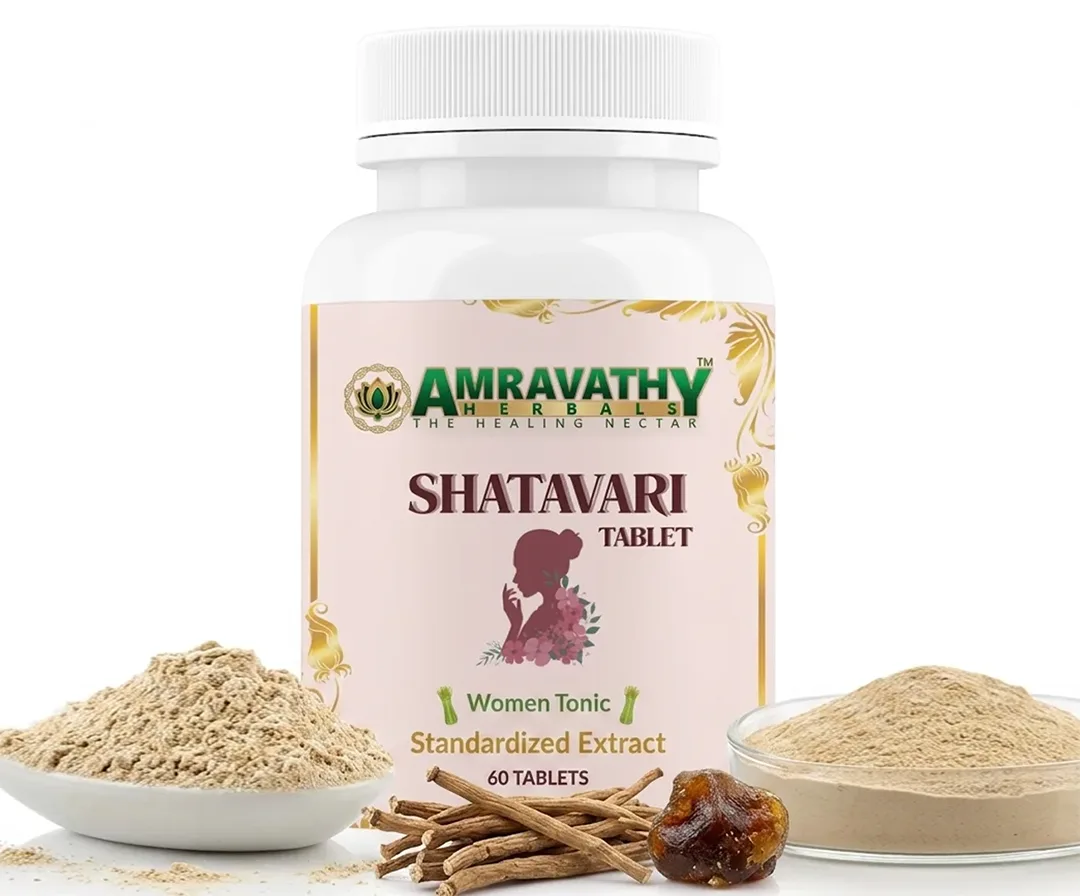
Shatavari Tablets 500mg – Ayurvedic Women Tonic for Hormone Balance, Fertility & Immunity
Support women’s wellness naturally with Amravathy Herbals Shatavari Tablets. This Ayurvedic formula helps balance hormones, improve reproductive health, support lactation, and boost immunity.
If persistent insomnia, loud snoring, breathing interruptions, severe daytime sleepiness, or other significant symptoms occur, medical evaluation is appropriate.
Sleep problems associated with menopause are real, and ACOG lists sleep problems among the symptoms that may occur during menopause.
4. Yoga and Mind-Body Wellness
Yoga is one of the most accessible ways to combine movement and relaxation.
For women after 40, a balanced yoga routine may include:
- Gentle stretching
- Mobility exercises
- Breathing practices
- Balance exercises
- Relaxation
- Meditation
Yoga should not replace medical treatment when symptoms require clinical care. However, it can be a useful part of a broader healthy lifestyle.
The National Center for Complementary and Integrative Health (NCCIH) notes that yoga appears to be at least as effective as other forms of exercise for some menopause symptoms, while evidence for many herbal products remains uncertain.
5. Strength Training Matters
When discussing women’s health after 40, exercise should not mean cardio alone.
Strength training is particularly valuable because maintaining muscle strength supports mobility, physical function, and healthy aging.
Women can begin with:
- Bodyweight exercises
- Resistance bands
- Light weights
- Squats
- Modified push-ups
- Lunges
- Simple strength routines
Walking is also an excellent addition.
ACOG specifically recommends weight-bearing exercise such as walking and strength training to support muscles and bones during and after menopause.
6. Managing Stress the Ayurvedic Way
Modern women often balance careers, family responsibilities, relationships, finances, and personal goals. Chronic stress can affect sleep, mood, eating habits, and overall wellbeing.
An Ayurvedic-inspired approach may encourage creating regular moments of pause.
Try:
- 5–10 minutes of mindful breathing
- Gentle morning stretching
- Short walks outdoors
- Meditation
- Journaling
- Digital breaks
- Relaxing evening rituals
- Spending time with supportive people
The objective is not to eliminate every source of stress. Instead, it is to build healthy ways of responding to everyday demands.
7. Understanding Menopause and Perimenopause
Menopause is a natural stage of reproductive aging, but the transition can involve a variety of symptoms.
Hot flashes, night sweats, changes in menstrual bleeding, sleep difficulties, mood changes, and vaginal dryness are among the concerns women may experience.
Lifestyle approaches can be helpful, but women should not assume that every symptom is simply “because of age.”
ACOG recommends discussing concerning changes with an obstetrician-gynecologist, particularly changes in bleeding patterns.
Ayurveda can be incorporated as a complementary wellness approach, but it should not delay evaluation of unusual or persistent symptoms.
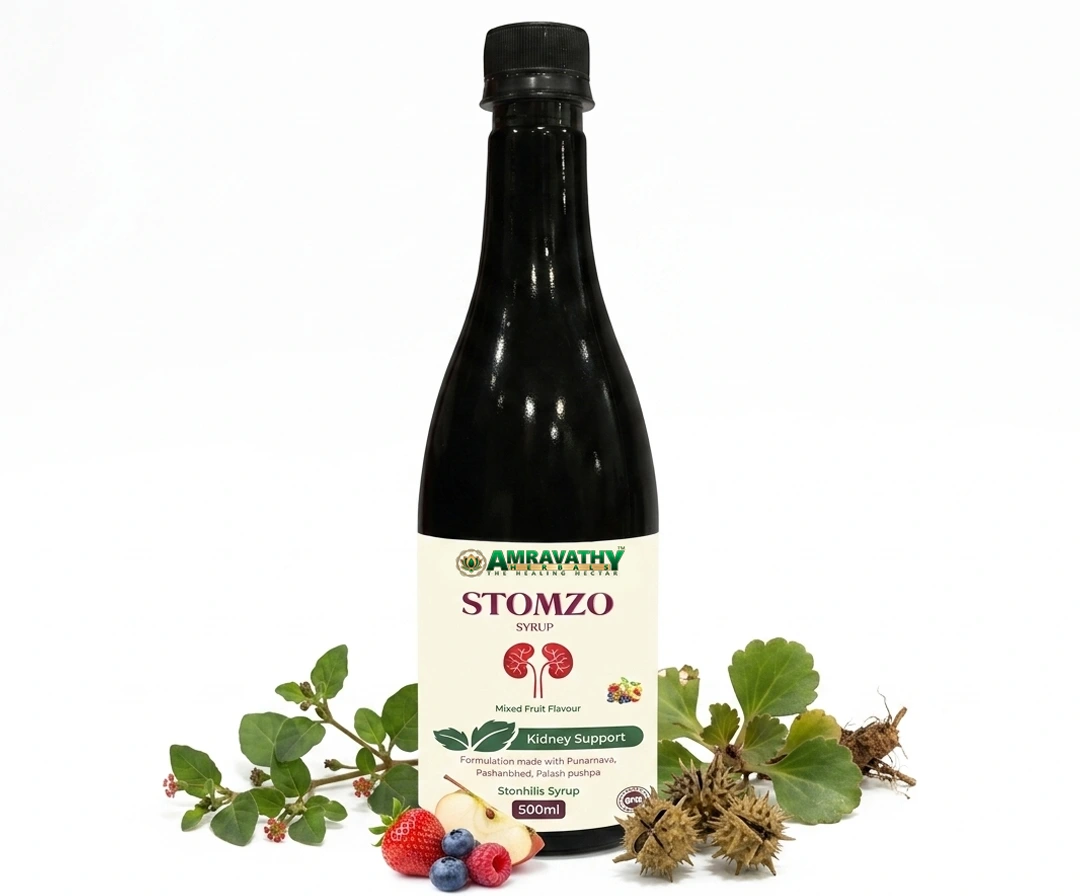
Stomzo Kidney Support Syrup – Herbal Diuretic Syrup for Urinary Health
Amravathy Herbals Stomzo kidney support syrup is a herbal formulation designed to support kidney health and maintain a healthy urinary tract. Enriched with powerful Ayurvedic ingredients like Punarnava, Pashanbhed, and Gokshur, it helps promote natural detoxification and may assist in flushing out kidney stones.
8. Be Careful With Ayurvedic Herbs and Supplements
Ayurvedic herbs are often promoted for hormonal balance, menopause, digestion, stress, or energy. However, “natural” does not automatically mean “risk-free.”
Research from NCCIH indicates that phytoestrogens, herbs, and other dietary supplements have not been clearly demonstrated to relieve menopause symptoms, and supplements may have side effects or interact with medicines.
Some commonly marketed menopause supplements have also been studied with mixed or insufficient evidence.
Therefore:
Do not self-prescribe herbal combinations simply because they are described as natural.
Before taking an Ayurvedic herbal product, especially if you are taking prescription medicines, have an existing medical condition, are pregnant, or have a history of hormone-sensitive disease, speak with an appropriately qualified healthcare professional.
Quality also matters. Products can vary in ingredients, dosage, purity, and manufacturing standards.
9. Focus on Bone Health
Women’s bone health deserves increasing attention during midlife.
Hormonal changes associated with menopause can contribute to faster bone loss. NCCIH notes that women may experience more rapid bone loss due to hormonal changes at menopause.
A healthy bone-supporting lifestyle can include:
- Adequate calcium
- Adequate vitamin D
- Weight-bearing exercise
- Strength training
- Maintaining a healthy body weight
- Avoiding smoking
- Limiting excessive alcohol consumption
Women with risk factors for osteoporosis should discuss bone-health assessment with their healthcare professional.
10. Give Your Mental and Emotional Health Attention
Health after 40 is not only about physical changes.
Changes in hormones, sleep, work pressure, family responsibilities, and major life transitions can influence emotional wellbeing.
Women may benefit from creating space for:
- Meaningful relationships
- Hobbies
- Creative activities
- Meditation
- Nature
- Exercise
- Professional support when needed
There is no need to treat emotional wellbeing as secondary to physical health.
A healthy midlife lifestyle should support both.
11. Skin and Hair Care After 40
Skin often becomes drier or more sensitive with age. Rather than using dozens of products, a simple routine can be effective.
Consider:
- Gentle cleansing
- Regular moisturizing
- Sun protection
- Adequate hydration
- Nutrient-rich food
- Sufficient sleep
Ayurvedic self-care traditions may include oil massage, commonly known as abhyanga. For some people, a gentle massage can be a relaxing addition to their routine.
However, anyone with sensitive skin, allergies, active skin disease, or irritation should choose products carefully and discontinue anything that causes a reaction.
12. Preventive Healthcare Still Matters
Ayurveda and modern preventive medicine do not have to be viewed as opposites.
A woman can maintain an Ayurvedic-inspired lifestyle while also following appropriate medical screening and vaccination recommendations.
For example, the U.S. Preventive Services Task Force currently recommends mammography every two years for women aged 40–74 at average risk of breast cancer.
It also recommends colorectal cancer screening beginning at age 45 for average-risk adults.
Screening recommendations can vary by country, personal history, family history, and individual risk. Women in India should discuss appropriate screening schedules with their healthcare professionals.

Mix Berries Juice 500ml | Antioxidant Rich Multi Berry Health Drink with Amla, Ginger & Beetroot
Boost your daily nutrition with Mix Berries Juice Syrup (500ml) – a powerful blend of blueberry, blackberry, raspberry, strawberry, amla, beetroot, and herbal extracts. Rich in antioxidants, vitamins, and minerals, this delicious syrup supports energy, immunity, and overall wellness.
A Simple Daily Ayurvedic-Inspired Routine for Women After 40
A practical routine doesn’t need to be complicated.
Morning
Wake up at a consistent time.
Drink water and take a few minutes for gentle stretching or breathing.
Have a nourishing breakfast containing protein and fiber.
Afternoon
Eat a balanced lunch.
Take a short walk after meals if practical.
Stay hydrated.
Take brief breaks from prolonged sitting.
Evening
Choose a lighter, balanced dinner when appropriate.
Reduce unnecessary screen exposure.
Try gentle yoga, breathing, meditation, or another relaxing activity.
Night
Maintain a consistent bedtime.
Create a cool, comfortable sleeping environment.
Aim for sufficient sleep.
The key is not perfection. It is consistency.
Ayurveda After 40: Think Lifestyle, Not Quick Fixes
One of the biggest misunderstandings about Ayurveda is expecting one herb, drink, powder, or supplement to solve every health concern.
Healthy aging is more comprehensive.
A sustainable approach combines:
Nutrition + movement + sleep + stress management + preventive healthcare + personalized medical guidance.
Ayurvedic traditions can provide useful lifestyle ideas, particularly around daily routines, mindful eating, yoga, relaxation, and self-care. At the same time, modern evidence should guide decisions about persistent symptoms, medications, screening, and supplements.
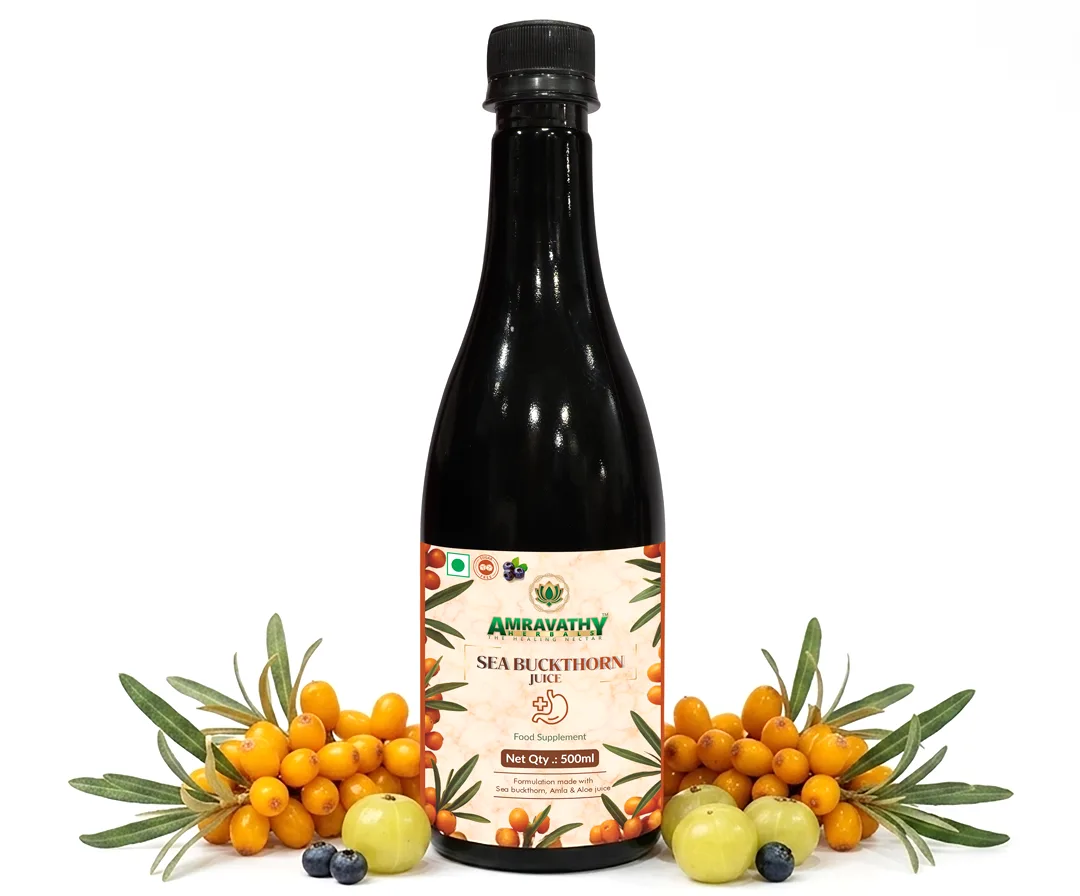
Sea Buckthorn Juice with Amla, Aloe Vera, Ashwagandha & Turmeric – Immunity Booster
Boost your daily wellness with Amravathy Herbals Sea Buckthorn Juice, a powerful blend of antioxidants and Ayurvedic herbs like Amla, Aloe Vera, Ashwagandha, and Turmeric. Designed to support immunity, digestion, skin health, and overall vitality—all in a sugar-free formula.
When Should You Talk to a Doctor?
Do not automatically attribute new symptoms to menopause or aging.
Seek medical advice for symptoms such as:
- Unusually heavy or prolonged bleeding
- Bleeding after menopause
- Persistent pelvic pain
- New breast changes
- Severe or persistent fatigue
- Significant unexplained weight changes
- Persistent depression or anxiety
- Severe sleep problems
- New or worsening symptoms that interfere with daily life
ACOG specifically emphasizes discussing bleeding changes during the menopause transition with an ob-gyn because, although they may be common, they can sometimes indicate another medical issue.
Conclusion
Life after 40 can be an empowering stage of a woman’s journey. It is a time to understand the body more deeply, build sustainable habits, and prioritize long-term wellbeing.
Ayurveda offers a traditional framework that emphasizes routine, nourishment, balance, mindful living, movement, and self-care. These principles can complement modern approaches to healthy aging.
The most valuable approach is not about searching for a magical anti-aging remedy. It is about developing everyday habits that support strength, energy, emotional wellbeing, healthy digestion, quality sleep, and resilience.
For women after 40, small daily choices can create a meaningful foundation for the years ahead.
Ayurveda for women after 40 is ultimately about caring for yourself with greater awareness—not fighting the natural process of aging, but supporting your body and mind through every stage of it.
Important Note
This article is intended for general educational and wellness information and should not be considered medical advice. Ayurvedic herbs and supplements can have side effects or interact with medicines. Women experiencing persistent, severe, or unusual symptoms should consult a qualified healthcare professional.
Citation Links
- National Center for Complementary and Integrative Health (NCCIH) – Menopausal Symptoms: In Depth
NCCIH: Menopausal Symptoms - American College of Obstetricians and Gynecologists (ACOG) – The Menopause Years
ACOG: The Menopause Years - ACOG – Menopause
ACOG: Menopause Resources - NCCIH – Women’s Health and Complementary Approaches
NCCIH: Women’s Health and Complementary Approaches - U.S. Preventive Services Task Force – Breast Cancer Screening
USPSTF: Breast Cancer Screening - U.S. Preventive Services Task Force – Colorectal Cancer Screening
USPSTF: Colorectal Cancer Screening