

Ayurvedic Approach to Diabetes: Herbal Support, Diet, Lifestyle & Holistic Wellness

Diabetes mellitus is a chronic metabolic condition in which blood glucose levels remain higher than normal because the body does not produce enough insulin, does not use insulin effectively, or both. If diabetes is not properly managed, persistently elevated blood glucose can contribute to complications affecting the heart, blood vessels, eyes, kidneys, nerves and feet. Modern diabetes care therefore focuses on appropriate diagnosis, glucose monitoring, nutrition, physical activity, medication when required, and regular screening for complications. World Health Organization – Diabetes
Ayurveda approaches health from a broader perspective, considering digestion, metabolism, daily routine, diet, physical activity and individual constitution. In classical Ayurvedic literature, diabetes-like conditions are commonly discussed under the concept of Prameha, with Madhumeha being an important clinical description. Ayurveda traditionally emphasizes balancing diet and lifestyle, improving metabolic health and supporting the body’s natural functions rather than focusing only on a single symptom. However, Ayurvedic approaches should complement—not replace—evidence-based diabetes diagnosis and treatment.
This article explores an Ayurvedic approach to diabetes, including dietary principles, lifestyle practices and selected herbs traditionally used for metabolic support. The evidence for individual herbs varies considerably, and herbal products should not be considered substitutes for prescribed diabetes medicines. Current evidence also indicates that many herbal studies are limited by small sample sizes, differing preparations and inconsistent study quality. NCCIH – Diabetes and Dietary Supplements
Understanding Diabetes Through an Ayurvedic Perspective
Ayurveda traditionally views digestion and metabolism as important foundations of health. The concept of Agni, often translated as digestive or metabolic fire, is central to Ayurvedic thought. When digestion, dietary habits, activity levels and metabolism become imbalanced, Ayurveda describes the accumulation and improper processing of bodily tissues and fluids as contributing factors in disease development.
In the context of Prameha and Madhumeha, Ayurveda traditionally pays attention to excessive intake of sweet, heavy or highly nourishing foods, sedentary habits, excessive sleep and other lifestyle patterns. These concepts should be understood within the traditional Ayurvedic framework rather than interpreted as direct equivalents of modern biochemical mechanisms. Contemporary medical science explains type 2 diabetes primarily through insulin resistance, impaired insulin secretion and other metabolic factors.
A practical modern interpretation of this holistic approach is to focus on sustainable habits that support metabolic health: maintaining a healthy body weight, choosing minimally processed foods, being physically active, sleeping adequately, managing stress and following recommended medical care. These measures are consistent with current diabetes prevention and management principles. WHO – Diabetes
The Importance of Early Diagnosis
Before beginning any herbal or Ayurvedic diabetes-support program, proper diagnosis is essential. Diabetes should be confirmed using accepted laboratory criteria such as HbA1c, fasting plasma glucose, an oral glucose tolerance test or appropriate random plasma glucose testing in the relevant clinical circumstances. The American Diabetes Association’s 2026 Standards of Care recommends confirmatory testing when unequivocal hyperglycemia is not present. ADA Standards of Care in Diabetes—2026
This is particularly important because diabetes may develop gradually, and some people can have elevated blood glucose for a considerable period before obvious symptoms appear. Regular screening can help identify diabetes or prediabetes earlier, allowing lifestyle and medical interventions to begin sooner. Early management can reduce the risk of long-term complications. WHO – Diabetes
Ayurvedic herbs may have a supportive role for some individuals, but they should never be used as a reason to discontinue insulin, metformin or other prescribed glucose-lowering medicines. People already taking diabetes medication should discuss herbal supplements with a qualified healthcare professional because combining glucose-lowering agents may increase the risk of excessively low blood glucose. NCCIH – Diabetes and Dietary Supplements
Ayurvedic Diet for Diabetes Support
Diet is one of the most important components of an Ayurvedic approach to metabolic wellness. Rather than relying on extreme restrictions, the goal should be to create a balanced eating pattern that provides adequate protein, fibre, healthy fats, vitamins and minerals while limiting excess sugar and highly processed carbohydrates.
Current diabetes nutrition recommendations emphasize non-starchy vegetables, whole fruits, legumes, whole grains, nuts, seeds, lean protein and minimally processed foods. They also recommend limiting sugar-sweetened beverages, sweets, refined grains and highly processed foods. American Diabetes Association – Nutrition Recommendations 2026
Traditional Indian meals can be adapted for better metabolic balance. A plate may include plenty of non-starchy vegetables, a suitable portion of protein such as dal or other legumes, curd or another appropriate protein source, and a controlled portion of whole grains or other carbohydrate-containing foods. The exact quantities should be individualized according to age, activity level, medication, body weight, glucose levels and other health conditions.
Fibre-rich foods can also be valuable because they generally digest more slowly than refined carbohydrates and can contribute to satiety. Vegetables, legumes, nuts, seeds and appropriate whole grains can therefore form an important part of a balanced diabetes-friendly diet. The World Health Organization recommends diets based primarily on minimally processed and unprocessed foods and emphasizes adequacy, balance, moderation and dietary diversity. WHO – Healthy Diet
Foods to Limit
An Ayurvedic-inspired diabetes-friendly diet should generally minimize foods that provide large amounts of added sugar or refined carbohydrates without much nutritional value. Examples include sugary beverages, sweets, cakes, biscuits, sweetened breakfast cereals and heavily processed snacks.
Portion size also matters. Even foods that are traditionally considered wholesome can contribute substantial carbohydrate or calories when consumed in excessive quantities. Therefore, the emphasis should be on overall dietary patterns rather than labeling individual foods as completely “good” or “bad.” The American Diabetes Association recommends individualized meal planning based on nutritional quality, total calorie intake and metabolic goals. American Diabetes Association – Standards of Care 2026
Importance of Physical Activity
Physical activity is another major pillar of diabetes management. Regular movement can improve insulin sensitivity, support healthy body weight and contribute to better cardiovascular health. Walking, cycling, swimming, yoga, resistance exercises and other appropriate activities can be incorporated according to an individual’s fitness level and medical condition.
The World Health Organization recommends at least 150 minutes of moderate physical activity per week for diabetes prevention and management, while strength-building activities can provide additional benefits. WHO – Diabetes
From an Ayurvedic lifestyle perspective, daily movement is also traditionally valued for maintaining balance and preventing excessive sedentary habits. A simple routine such as a brisk walk after meals, regular stretching or yoga can make physical activity easier to maintain. Individuals using insulin or medicines that can cause hypoglycemia should discuss exercise precautions with their healthcare professional.
Yoga, Breathing and Stress Management
Stress does not have to be viewed as a direct cause of every case of diabetes, but chronic stress can make healthy routines more difficult and may affect eating patterns, sleep and overall well-being. Stress management can therefore be a useful component of a holistic diabetes-care plan.
Yoga, meditation, breathing exercises and relaxation practices may help individuals establish a calmer daily routine. They should be viewed as complementary wellness practices rather than replacements for glucose-lowering treatment. Ayurveda traditionally places considerable emphasis on maintaining harmony between lifestyle, mental well-being, diet and daily routines.
Herbal Ingredients Traditionally Used for Diabetes Support
A number of herbs and plant ingredients have been investigated for their possible effects on blood glucose and metabolic health. Importantly, “supports healthy blood sugar” should not be interpreted as meaning that an herb can cure diabetes. Scientific evidence differs substantially between herbs, extracts and formulations.
1. Bitter Gourd (Momordica charantia)
Bitter gourd, also known as bitter melon or karela, is one of the best-known traditional Indian foods associated with blood sugar support. It has been studied for possible effects on fasting and post-meal glucose. A 2024 systematic review and meta-analysis of randomized controlled trials reported reductions in fasting glucose, postprandial glucose and HbA1c with Momordica charantia supplementation, although the researchers emphasized the need to interpret the evidence in light of variability and limitations among studies. 2024 Systematic Review of Momordica charantia – PubMed
Earlier research has produced mixed findings. For example, a previous systematic review found no significant improvement in HbA1c or fasting glucose compared with no treatment, demonstrating why bitter gourd should be regarded as a potentially supportive ingredient rather than a proven replacement for diabetes treatment. Bitter Melon Systematic Review – PubMed
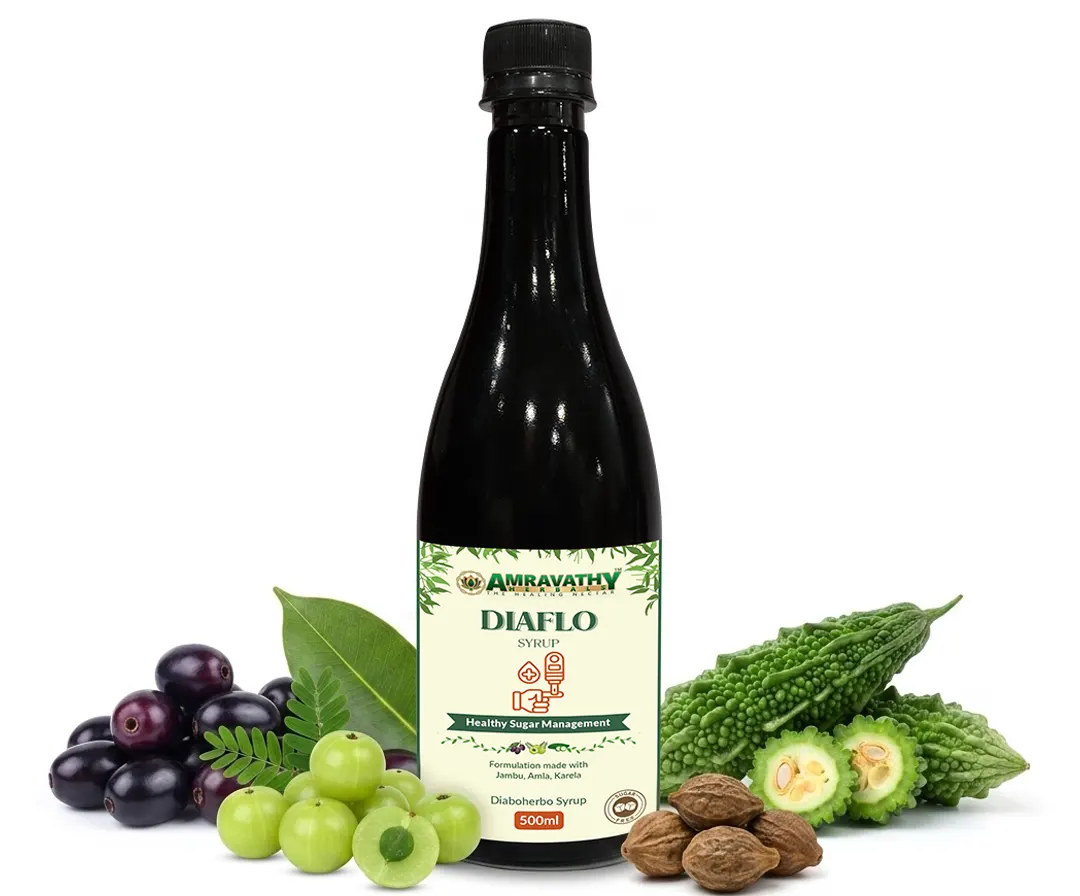
Diaflo Syrup for Healthy Blood Sugar Management | Ayurvedic Glucose Support | 500ml
Amravathy Herbals Diaflo Diabetes Support Syrup is an Ayurvedic liquid formulation designed to support healthy blood sugar levels, glucose metabolism, and overall metabolic balance. Enriched with powerful herbs like Karela, Guduchi, Amla, and Methi, it promotes natural sugar control and better absorption.
2. Fenugreek (Trigonella foenum-graecum)
Fenugreek, commonly known as methi, has a long history of culinary and traditional medicinal use. Fenugreek seeds contain fibre and other plant compounds that have been investigated for their possible effects on glucose metabolism.
Research suggests that fenugreek may help lower blood glucose in some people with type 2 diabetes, but the available evidence is not considered strong enough to establish definitive conclusions. NCCIH notes that larger amounts can potentially cause a harmful drop in blood sugar and that fenugreek can interact with medicines. NCCIH – Fenugreek
3. Gymnema (Gymnema sylvestre)
Gymnema sylvestre, traditionally known in Ayurveda as Gudmar, is another important herb investigated for glucose metabolism. A 2021 systematic review and meta-analysis involving 10 studies and 419 participants reported improvements in fasting glucose, postprandial glucose and HbA1c among participants receiving Gymnema sylvestre supplementation. However, substantial heterogeneity was present among the studies, meaning the findings should not be interpreted as definitive proof of efficacy. Gymnema sylvestre Systematic Review and Meta-analysis – PubMed
Because Gymnema may have glucose-lowering effects, combining concentrated extracts with diabetes medicines should be done only with professional guidance. Herbal products can vary significantly in strength and composition, so the effects of one standardized extract cannot automatically be applied to every Gymnema product.
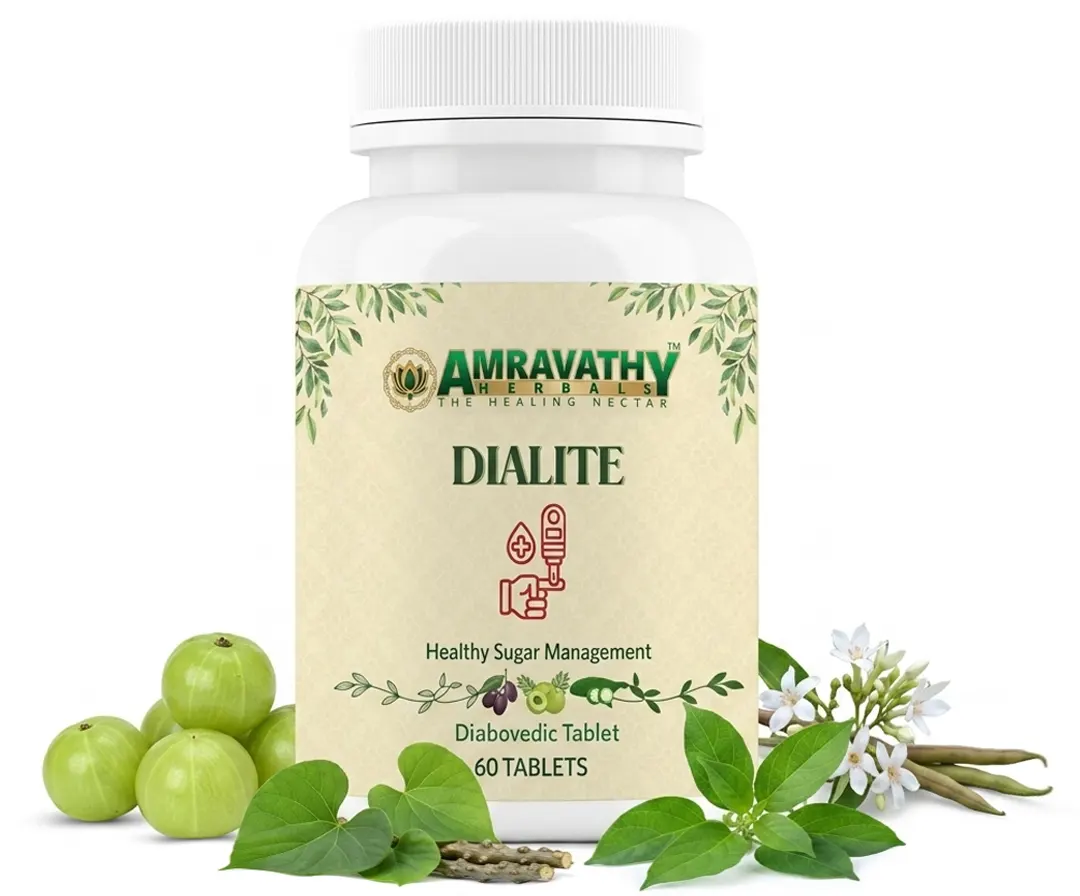
Dialite Blood Sugar Management Tablets | Supports Glucose Metabolism & Insulin Sensitivity (60 Tablets)
Amravathy Herbals Dialite Blood Sugar Management Tablets is an Ayurvedic formulation designed to support healthy blood sugar levels, improve glucose metabolism, and enhance insulin sensitivity. Enriched with powerful herbs like Amla, Gudmar, Karela, and Jamun, it helps maintain overall metabolic balance naturally.
4. Amla (Emblica officinalis)
Amla, or Indian gooseberry, is widely used in Ayurveda and is valued as a source of vitamin C and plant antioxidants. It is traditionally incorporated into dietary and wellness preparations, and Emblica officinalis has also been investigated in Ayurvedic medicine studies involving type 2 diabetes.
A systematic review and meta-analysis of Ayurvedic medicines reported that some Ayurvedic interventions, including Aegle marmelos, Momordica charantia, Trigonella foenum-graecum and other botanicals, were associated with improvements in glycemic measures. However, the review also highlighted limitations in study quality and reporting. Therefore, amla can be discussed as a traditional wellness ingredient rather than presented as a clinically proven diabetes treatment. Systematic Review of Ayurvedic Medicines in Type 2 Diabetes – PubMed
5. Cinnamon (Cinnamomum species)
Cinnamon is commonly used as a culinary spice and has also been studied for its possible metabolic effects. Some systematic reviews have reported reductions in fasting blood glucose or improvements in selected metabolic measures, but results have been inconsistent.
NCCIH concludes that the evidence is not strong enough to clearly establish cinnamon as an effective diabetes treatment. It also notes that cassia cinnamon contains coumarin, which can be problematic in high amounts, particularly for people with liver concerns. NCCIH – Diabetes and Dietary Supplements
For this reason, cinnamon is best considered a food ingredient that can be included in a balanced diet rather than a substitute for prescribed diabetes therapy.
6. Turmeric (Curcuma longa)
Turmeric is one of the most widely used Ayurvedic spices and contains curcuminoids, particularly curcumin. It is traditionally valued for its antioxidant and anti-inflammatory properties. However, evidence for using turmeric specifically to control diabetes remains insufficient to recommend it as a standalone glucose-lowering treatment.
The broader lesson with turmeric and other Ayurvedic herbs is that traditional use and preliminary research can provide useful areas for investigation, but they do not automatically establish clinical effectiveness. NCCIH notes that well-designed clinical research for many Ayurvedic interventions remains limited.
How Herbal Ingredients Can Fit Into a Diabetes Wellness Plan
A sensible approach is to think of herbs as potential supportive components within a larger health strategy. For example, bitter gourd, fenugreek, Gymnema, amla, turmeric and culinary cinnamon may be incorporated into a balanced dietary and wellness routine where appropriate.
However, concentrated powders, capsules, extracts and multi-herb formulations can have stronger effects than ordinary culinary quantities. People taking insulin or oral glucose-lowering medicines should therefore monitor their glucose appropriately and consult their doctor or qualified healthcare practitioner before starting herbal supplements. NCCIH specifically cautions that herbal products may interact with conventional diabetes medicines and that evidence for many herbal supplements remains limited. NCCIH – Diabetes and Dietary Supplements
Ayurvedic Daily Routine for Diabetes Wellness
A practical routine can begin with consistent meal timing, adequate hydration and regular physical activity. Meals should emphasize vegetables, legumes, suitable protein sources, fibre-rich foods and minimally processed carbohydrates. Sugary beverages and frequent high-sugar snacks should be minimized.
Regular walking can be combined with appropriate resistance training and flexibility exercises. A calm evening routine, adequate sleep and stress-management practices can also support adherence to healthy habits. These measures align with modern recommendations that emphasize diet, physical activity, weight management and comprehensive diabetes care. WHO – Diabetes
Weight Management and Diabetes
Maintaining a healthy body weight is particularly relevant for people with or at risk of type 2 diabetes. Excess body weight can contribute to insulin resistance, while appropriate weight reduction can improve several metabolic risk factors.
The 2026 American Diabetes Association Standards of Care recommend individualized nutrition, physical activity and behavioral approaches for people with overweight or obesity, with a target of at least 5–7% weight loss in appropriate individuals. American Diabetes Association – Facilitating Positive Health Behaviors and Well-being 2026
An Ayurvedic approach can complement this goal by emphasizing mindful eating, appropriate portion sizes, regular movement and sustainable routines rather than extreme fasting or crash diets. Any fasting practice should be discussed with a healthcare professional, particularly when diabetes medicines or insulin are being used.
Monitoring Blood Sugar
Herbal and dietary strategies should always be accompanied by appropriate monitoring. HbA1c provides information about average blood glucose over the preceding months, while home glucose monitoring may provide useful information about daily patterns depending on the individual’s treatment plan.
Monitoring becomes particularly important when dietary changes, increased physical activity or herbal products are introduced because glucose levels may change. The objective should be safe and sustainable glucose management rather than achieving very low glucose values at any cost. Diabetes treatment should be individualized according to the person’s medical circumstances and treatment regimen. ADA Standards of Care in Diabetes—2026
Ayurveda and Modern Diabetes Care: A Complementary Approach
The strongest approach is not to view Ayurveda and modern medicine as competing systems. Instead, appropriate Ayurvedic lifestyle principles—such as mindful eating, physical activity, traditional dietary ingredients and individualized wellness routines—can potentially complement evidence-based diabetes care.
Modern medicine remains essential for diagnosis, glucose monitoring, medication, insulin when required and screening for complications. Ayurveda may provide additional perspectives on diet, lifestyle and traditional herbal preparations, but evidence for specific Ayurvedic treatments remains variable. A systematic review of Ayurvedic medicines found promising effects for several interventions but also emphasized limitations in the quality of available evidence and the need for better-designed clinical trials. Systematic Review and Meta-analysis of Ayurvedic Medicines in Type 2 Diabetes – PubMed
Safety Precautions With Ayurvedic Herbs
“Natural” does not automatically mean “risk-free.” Herbal products can produce side effects, interact with medicines and vary in concentration depending on how they are manufactured. For example, NCCIH notes that fenugreek may cause digestive symptoms and can potentially lower blood sugar excessively at higher doses. NCCIH – Fenugreek
Similarly, herbal supplements containing cinnamon or other glucose-lowering ingredients may interact with diabetes medicines. People who are pregnant, breastfeeding, have liver or kidney disease, or take multiple medicines should obtain professional advice before using concentrated herbal preparations. NCCIH – Diabetes and Dietary Supplements
Quality is also important. Consumers should prefer products from reputable manufacturers that provide clear ingredient information, appropriate testing and responsible labeling. Ayurvedic products containing minerals or metals require particular caution because improperly prepared products may present safety concerns. Choosing properly manufactured herbal products and following professional guidance is therefore an important part of responsible Ayurvedic wellness.
When Medical Attention Is Essential
Diabetes should never be managed solely through home remedies when medical treatment is required. Persistent high blood glucose, unexplained weight loss, excessive thirst or urination, severe weakness, vomiting, confusion, breathing difficulties, or other concerning symptoms require prompt medical evaluation.
People with diabetes should also receive appropriate screening for complications involving the eyes, kidneys, nerves and feet. WHO emphasizes that diabetes can cause serious complications but that appropriate management, screening and treatment can help prevent or delay many of these consequences. WHO – Diabetes
Key Herbal Ingredients for Diabetes Support
For a concise overview, the commonly discussed Ayurvedic and traditional ingredients include:
- Bitter Gourd (Momordica charantia) – traditionally used for blood sugar support; clinical evidence is promising in some analyses but remains inconsistent. PubMed – Momordica charantia Meta-analysis
- Fenugreek (Trigonella foenum-graecum) – traditionally used as methi; research suggests possible glucose-lowering effects, but evidence quality is limited. NCCIH – Fenugreek
- Gymnema (Gymnema sylvestre) – traditionally known as Gudmar; clinical studies have investigated its potential effects on glucose control. PubMed – Gymnema Systematic Review
- Amla (Emblica officinalis) – traditional Ayurvedic fruit used as part of dietary and herbal wellness practices; evidence specifically for diabetes requires further research. Systematic Review of Ayurvedic Medicines
- Cinnamon (Cinnamomum species) – culinary spice studied for glucose and metabolic effects, but evidence remains inconclusive. NCCIH – Diabetes and Dietary Supplements
- Turmeric (Curcuma longa) – traditional Ayurvedic spice with extensive traditional use; it should not be presented as a proven glucose-lowering treatment. NCCIH – Ayurvedic Medicine
Closing Thoughts
An Ayurvedic approach to diabetes is best understood as a holistic lifestyle strategy centered on appropriate food choices, regular physical activity, healthy body weight, mindful routines, stress management and carefully considered traditional herbal ingredients. It can provide useful complementary wellness practices while modern medical care provides the essential foundation for diagnosis, glucose control and complication prevention.
The most important principle is consistency. A balanced diet followed every day, regular physical activity, appropriate monitoring and adherence to prescribed treatment are more important than relying on a single herb or home remedy. WHO emphasizes that diabetes can be managed through a combination of healthy lifestyle practices, medication when needed and regular screening for complications. World Health Organization – Diabetes
Herbs such as bitter gourd, fenugreek, Gymnema, amla, cinnamon and turmeric may be valuable ingredients in traditional wellness practices, but their roles should be described accurately: they may support metabolic wellness, but they are not cures for diabetes and should not replace prescribed treatment. The safest Ayurvedic approach is an individualized one that combines traditional wisdom with responsible use of modern medical evidence.
Important Disclaimer
This article is intended for general educational and wellness information only. It is not a substitute for diagnosis, treatment or personalized medical advice. People with diabetes should not stop or reduce prescribed medicines or insulin because of Ayurvedic herbs or dietary changes. Anyone considering herbal supplements should consult a qualified healthcare professional, particularly if they are taking glucose-lowering medication, are pregnant or breastfeeding, or have kidney, liver or other chronic health conditions. Evidence for herbal diabetes support varies by ingredient and formulation, and many products require further high-quality clinical research. NCCIH – Diabetes and Dietary Supplements