
Ayurvedic Approach to Paralysis: Traditional Therapies, Herbal Ingredients and Modern Rehabilitation

Paralysis is a neurological condition in which a person loses some or all ability to move one or more parts of the body. It may affect the face, arm, leg, one side of the body, or multiple areas depending on the underlying cause. Stroke is one of the most common causes of sudden paralysis, while other causes may include spinal cord injury, traumatic brain injury, nerve disorders, infections and certain neurological conditions. Sudden weakness, facial drooping, difficulty speaking, confusion, loss of balance or severe headache can be signs of stroke and require immediate medical attention. Rehabilitation is an important part of recovery after neurological conditions such as stroke. WHO – Package of interventions for rehabilitation: Neurological conditions
Understanding Paralysis Through Ayurveda
In Ayurveda, a condition resembling hemiplegia is traditionally described as Pakshaghata. It is associated primarily with an imbalance or disturbance of Vata dosha, the Ayurvedic principle traditionally associated with movement, nerve activity and coordination. Ayurvedic descriptions of Pakshaghata may include weakness, impaired movement, stiffness, altered sensation and reduced function on one side of the body. However, Pakshaghata and modern medical paralysis should not be considered exact equivalents because paralysis can result from many different neurological diseases. PubMed – Systematic Review of Ayurvedic Interventions in Hemiplegia
From an Ayurvedic perspective, treatment is generally individualized according to factors such as age, constitution, strength, digestion, stage of illness and the nature of the symptoms. Ayurveda may therefore focus on balancing Vata, supporting strength, improving functional movement and maintaining overall wellbeing. Modern diagnosis, neurological evaluation and rehabilitation remain essential because identifying the underlying cause of paralysis determines appropriate medical treatment and prognosis. PubMed – Prakriti and Stroke Scoping Review
The First Priority: Medical Diagnosis
Ayurvedic treatment should never delay emergency medical care when paralysis develops suddenly. Sudden weakness or numbness, especially on one side of the body, difficulty speaking, facial drooping, vision problems, loss of coordination or a severe headache may indicate stroke. Stroke treatment is time-sensitive, and medical professionals need to determine whether the stroke is ischemic or hemorrhagic through appropriate clinical evaluation and brain imaging. WHO – Stroke Rehabilitation
Once the acute condition has been stabilized, rehabilitation becomes a central component of recovery. Depending on the patient’s needs, rehabilitation can involve physiotherapy, occupational therapy, speech and language therapy, swallowing assessment, psychological support, nutritional care and training in daily activities. The goal is to improve functional independence and quality of life rather than simply treating weakness in an isolated muscle. WHO – Rehabilitation in Health Systems
Ayurvedic Approach to Paralysis
An Ayurvedic approach may combine internal and external therapies, diet, lifestyle practices, massage and individualized rehabilitation support. Traditionally, Vata-oriented management may include therapies intended to provide nourishment, relaxation and support for movement. The exact treatment plan depends on the individual’s condition and should be determined by a qualified Ayurvedic physician rather than through self-treatment.
One of the commonly discussed Ayurvedic therapies is Abhyanga, or therapeutic oil massage. Traditionally, oil massage is used to support Vata balance, relaxation, nourishment and flexibility. In a rehabilitation setting, gentle massage may be used as a complementary practice alongside physiotherapy. It should not, however, be represented as a treatment that independently repairs damaged nerves or reverses paralysis.
Another traditional approach is Swedana, or therapeutic fomentation, which uses controlled warmth. It may traditionally be used to promote relaxation and support mobility. However, patients with reduced sensation may not recognize excessive heat and can suffer burns. Therefore, heat-based therapies should only be performed under appropriate professional supervision.
Role of Ayurvedic Herbs in Paralysis Support
Ayurvedic medicine includes several herbs traditionally used in Vata-related conditions, strength support, cognitive wellbeing and general neurological wellness. These herbs may be included in individualized formulations, but they should be regarded as supportive ingredients rather than proven cures for paralysis. A systematic review published in 2025 found that available clinical studies of Ayurvedic interventions for hemiplegia had significant methodological limitations, meaning that stronger research is required before firm conclusions about efficacy and safety can be made. PubMed – Systematic Review of Ayurvedic Interventions in Hemiplegia
Ashwagandha
Ashwagandha (Withania somnifera) is one of the most recognized Ayurvedic herbs and is traditionally used as a Rasayana, or rejuvenating herb. It is associated with strength, vitality and general resilience and is frequently considered in Vata-oriented Ayurvedic practices. For people undergoing rehabilitation, it may be described as a traditional ingredient supporting strength and general wellbeing rather than as a treatment for paralysis. NCCIH – Ashwagandha
Ashwagandha should nevertheless be used carefully. The National Center for Complementary and Integrative Health notes that some people may experience gastrointestinal symptoms or drowsiness, and rare cases of liver injury have been reported. It may also interact with certain medicines, making professional supervision particularly important for people recovering from stroke and taking multiple medications. NCCIH – Ashwagandha
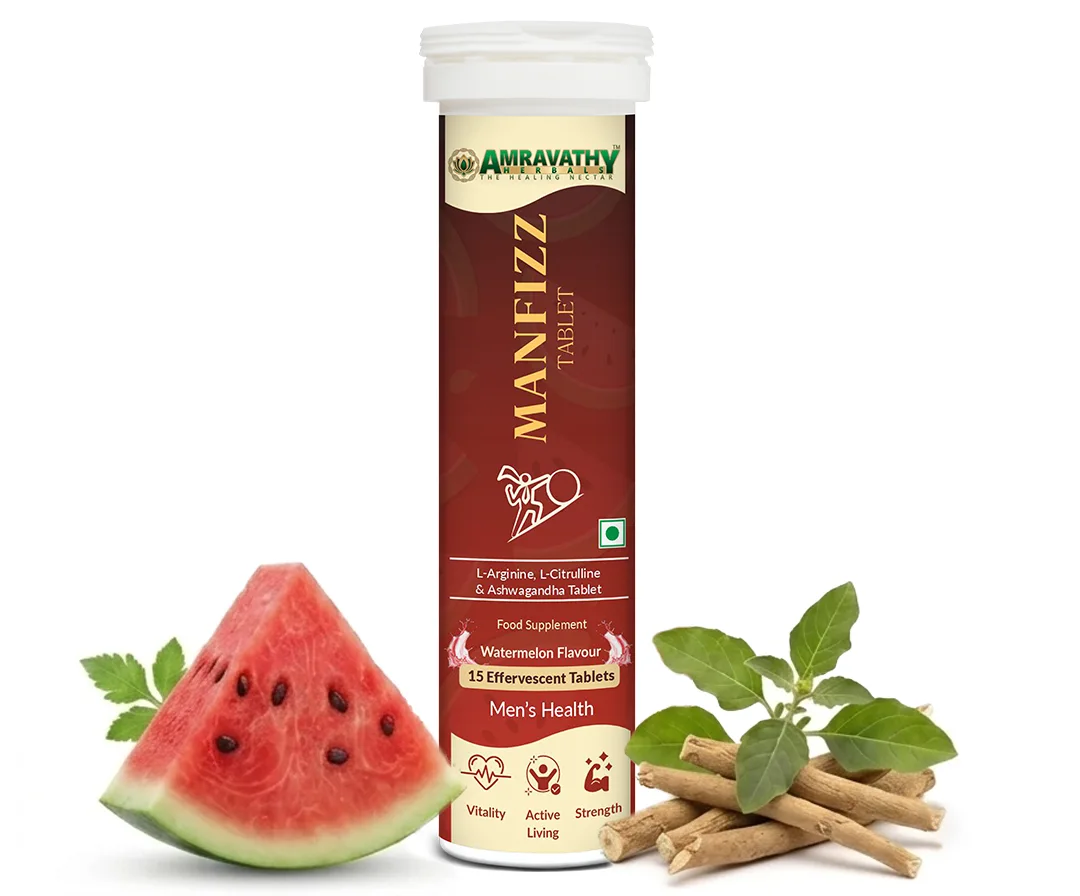
Manfizz Men’s Health Tablets | Energy, Stamina & Vitality Support | Watermelon Flavour (15 Effervescent Tablets)
Boost your daily energy, stamina, and vitality with Amravathy Herbals Manfizz Men’s Health Tablets—a powerful blend of L-Arginine, L-Citrulline, Ashwagandha, Ginseng & essential nutrients. Designed for modern men, it supports blood circulation, muscle recovery, hormonal balance, and overall performance.
Brahmi
Brahmi (Bacopa monnieri) is traditionally associated with memory, cognition and mental wellbeing. It is therefore sometimes included in Ayurvedic formulations designed to support neurological and cognitive health. Scientific research has investigated Bacopa particularly for cognitive outcomes, but this does not establish that it restores movement or cures paralysis. PubMed – Bacopa monnieri and Cognitive Function
For people recovering from stroke, cognitive difficulties may accompany physical weakness. Brahmi can therefore be discussed as a traditional cognitive-support ingredient within a broader rehabilitation program rather than as a direct treatment for paralysis.
Turmeric
Turmeric (Curcuma longa) and its principal constituent curcumin have received scientific attention because of their antioxidant and anti-inflammatory properties. Research has explored the potential role of curcumin and related compounds in pathways associated with oxidative stress and inflammation, including those relevant to neurological conditions. However, this research does not establish turmeric as a standalone treatment for paralysis or stroke. PubMed – Curcumin and Ischemic Stroke Research
Turmeric is commonly used as a food spice, but concentrated curcumin supplements require greater caution. NCCIH notes that some highly bioavailable curcumin products have been associated with liver injury and that gastrointestinal side effects may occur. NCCIH – Turmeric
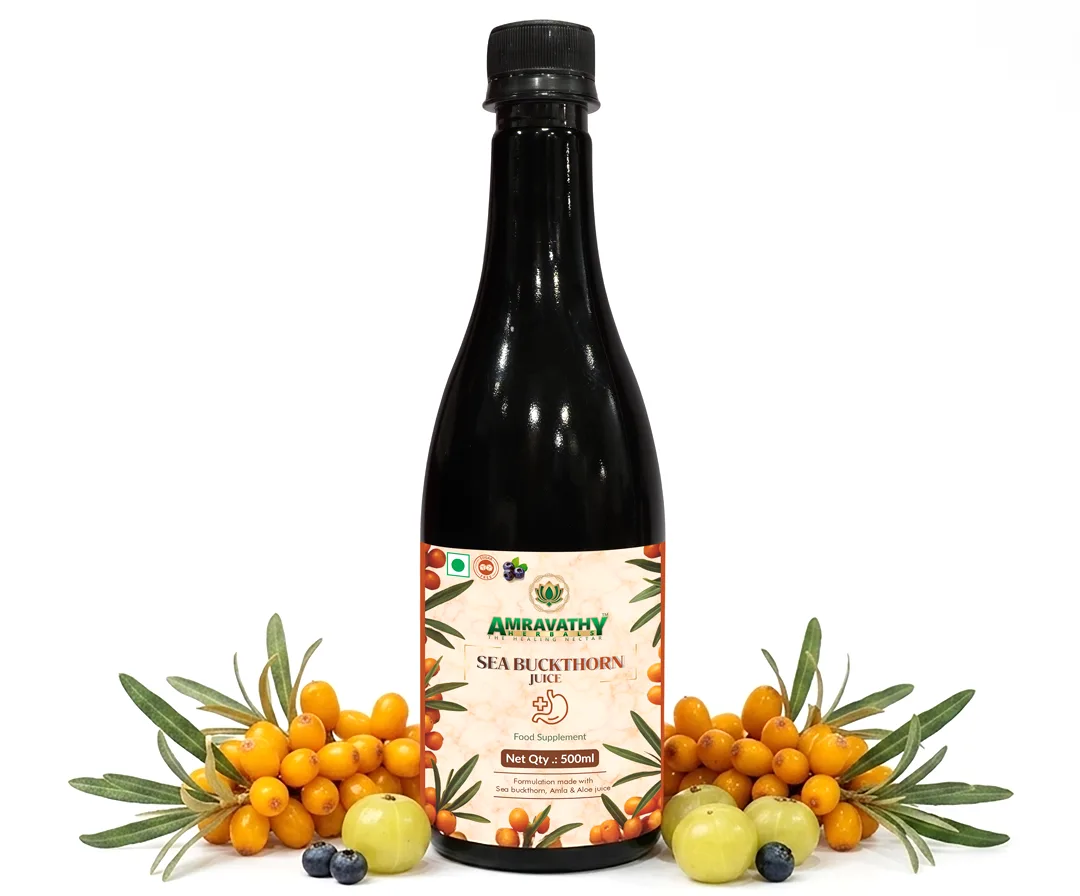
Sea Buckthorn Juice with Amla, Aloe Vera, Ashwagandha & Turmeric – Immunity Booster
Boost your daily wellness with Amravathy Herbals Sea Buckthorn Juice, a powerful blend of antioxidants and Ayurvedic herbs like Amla, Aloe Vera, Ashwagandha, and Turmeric. Designed to support immunity, digestion, skin health, and overall vitality—all in a sugar-free formula.
Guggulu
Guggulu (Commiphora species) has a long history of use in Ayurveda and is traditionally included in formulations associated with Vata disorders, musculoskeletal health and metabolic wellbeing. Because stiffness and mobility limitations may occur during rehabilitation, Guggulu-containing formulations may sometimes be considered by Ayurvedic practitioners.
However, Guggulu should not be presented as a proven treatment for paralysis. Its suitability depends on the individual’s condition, the specific formulation and other medicines being taken. Patients recovering from stroke should therefore avoid self-prescribing Guggulu preparations.
Shankhpushpi
Shankhpushpi is traditionally used in Ayurveda for mental wellbeing, memory and cognitive support. It may be considered when an Ayurvedic practitioner is developing a broader neurological wellness plan. However, evidence specifically demonstrating that Shankhpushpi improves motor recovery after paralysis is currently insufficient.
Consequently, it is more appropriate to describe Shankhpushpi as a traditional cognitive and mental-wellness ingredient rather than claiming that it repairs neurological damage.
Gotu Kola
Gotu Kola (Centella asiatica) has traditionally been used in Asian systems of medicine and has been investigated for cognitive and neurological applications. Its traditional use makes it relevant to discussions of neurological wellness, but there is not enough clinical evidence to conclude that Gotu Kola can reverse paralysis or reliably improve post-stroke motor function.
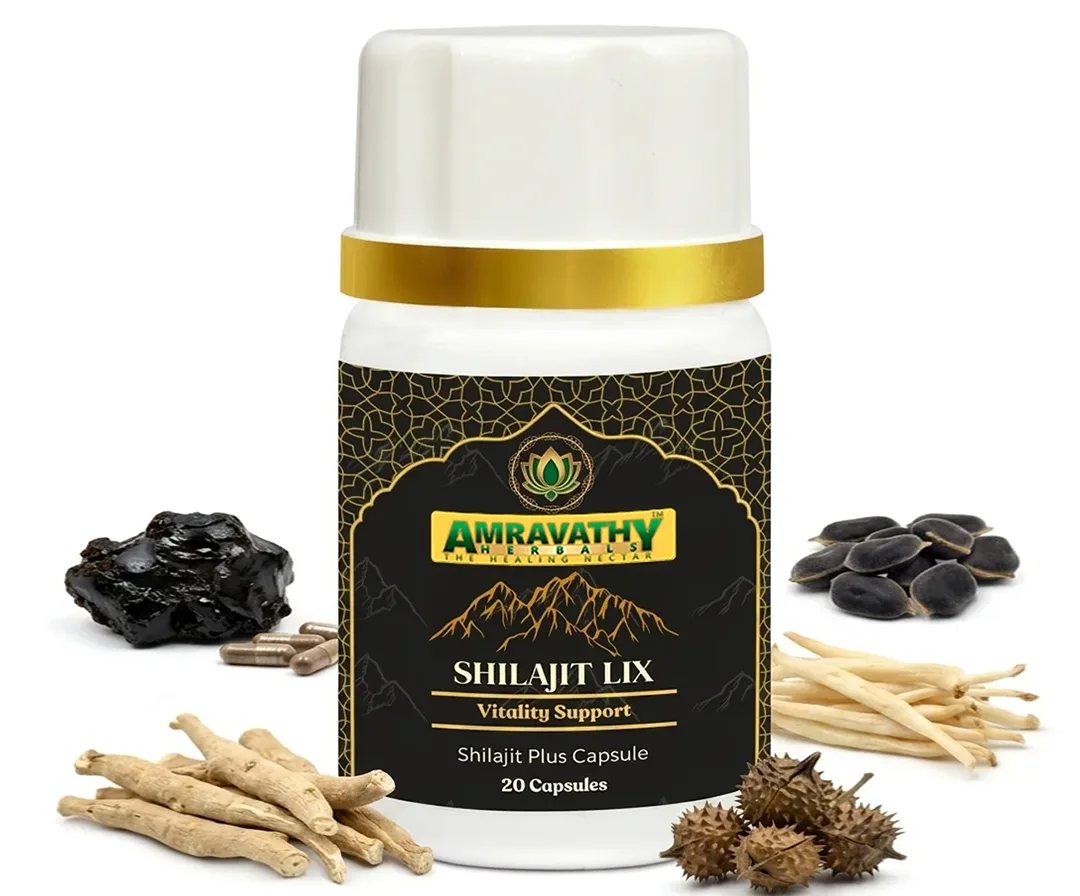
Shilajit Lix Vitality Support Capsules – Energy, Stamina & Testosterone Booster capsules (550mg)
Boost your daily energy, stamina, and vitality with Amravathy Herbals Shilajit Lix Capsules, a powerful Ayurvedic formulation enriched with Shilajit, Ashwagandha, Gokshur, Safed Musli, and Krounchbeej. Designed to support testosterone levels, reduce stress, and enhance overall performance—naturally.
It may therefore be considered a complementary wellness ingredient when recommended by an appropriately qualified practitioner.
Ginger
Ginger (Zingiber officinale) is widely used in Ayurveda and traditional medicine, particularly for digestion and general wellness. Ayurveda places considerable importance on digestion and nourishment, and ginger is traditionally used to support digestive function.
Ginger should be viewed as a supportive dietary or herbal ingredient rather than as a direct treatment for paralysis.
Bala
Bala (Sida cordifolia) is traditionally associated with strength and Vata management. It has historically been used in Ayurvedic formulations and therapies directed toward weakness and musculoskeletal wellbeing.
Because preparations can vary and safety considerations exist, Bala should not be self-prescribed, particularly in people with neurological or cardiovascular conditions. A qualified Ayurvedic physician should determine whether it is appropriate.
Kapikacchu
Kapikacchu (Mucuna pruriens) is an important Ayurvedic botanical because it naturally contains L-DOPA and has attracted scientific interest in relation to movement disorders. However, Parkinson’s disease and paralysis caused by stroke are different neurological conditions. Evidence concerning Mucuna in Parkinson’s disease therefore cannot be directly used to claim that it treats stroke-related paralysis.
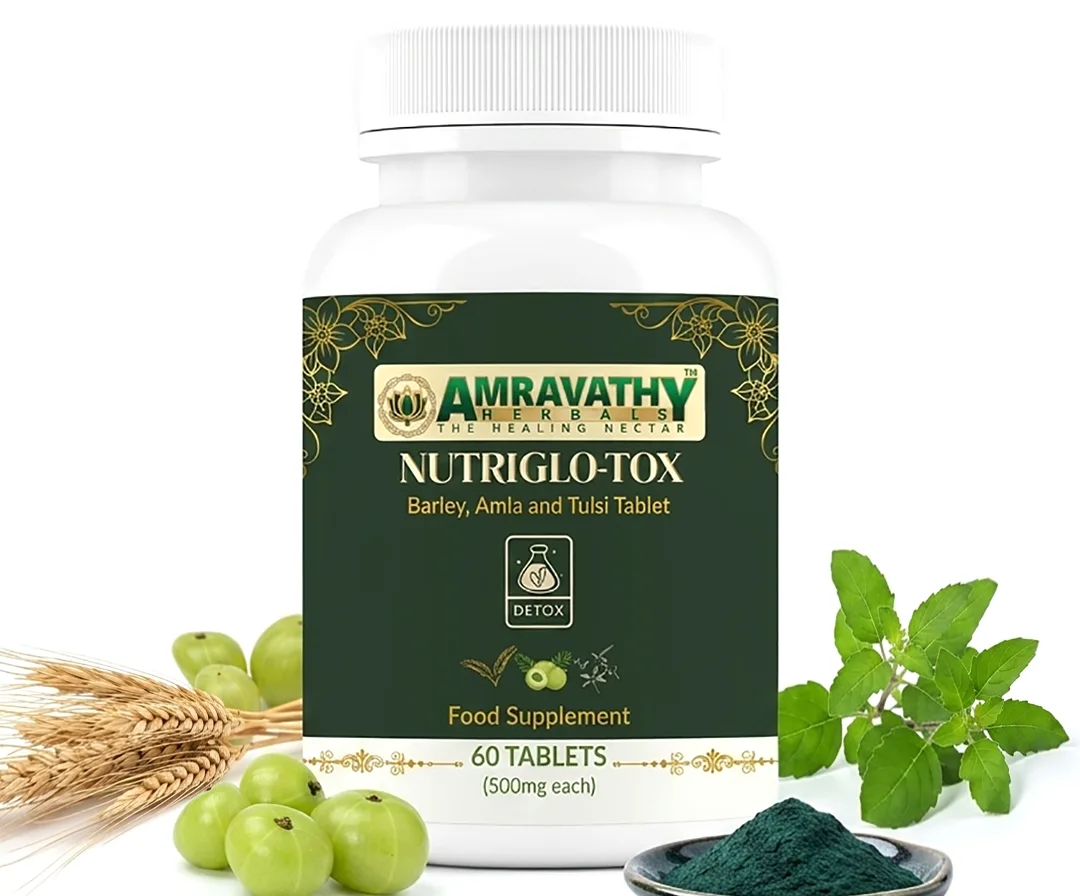
Nutriglo-Tox Detox Tablets – Barley, Amla & Tulsi Supplement for Immunity, Digestion & Energy (60 Tablets, 500mg Each)
Boost your daily wellness with Amravathy Herbals Nutriglo-Tox Detox Tablets, a powerful blend of barley grass, amla, tulsi, and herbal ingredients designed to support detoxification, immunity, digestion, and energy levels.
✔ Supports natural detox
✔ Helps improve digestion & metabolism
✔ Boosts immunity & energy
✔ Rich in antioxidants & nutrients
Because Kapikacchu can have pharmacological effects, it should be used only under qualified professional supervision.
Ayurvedic Herbs and Modern Rehabilitation
The most responsible approach is to integrate appropriate Ayurvedic practices with established neurological rehabilitation. Physiotherapy can address strength, balance, gait, coordination, positioning and functional movement, while occupational therapy can help patients regain independence in daily activities. Speech and swallowing therapy may be required for patients with communication or swallowing difficulties.
A recent randomized controlled trial, the RESTORE trial, compared Ayurvedic rehabilitative therapy with conventional physiotherapy in people recovering from ischemic stroke. The study did not find Ayurvedic rehabilitation to be superior to physiotherapy for the primary upper-extremity sensorimotor outcome. This supports the importance of retaining conventional physiotherapy as a central part of rehabilitation while further research investigates appropriate integrative approaches. PubMed – RESTORE Randomized Controlled Trial
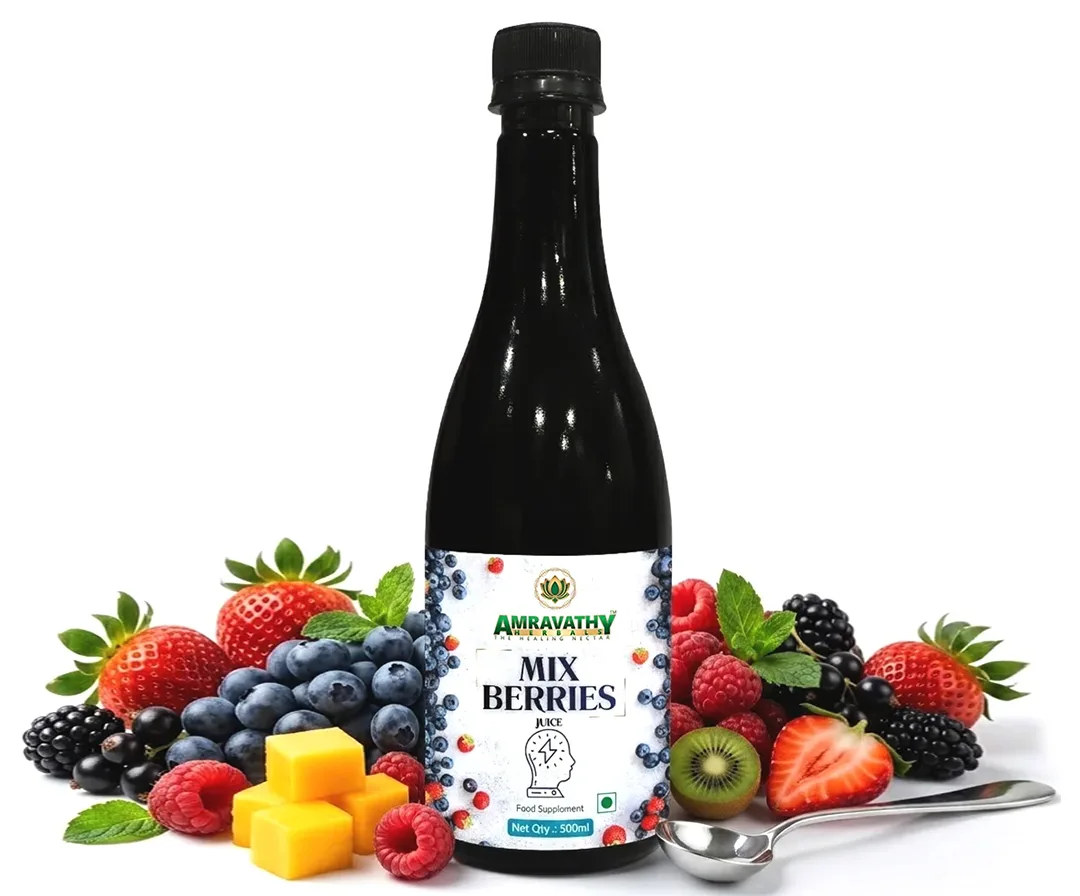
Mix Berries Juice 500ml | Antioxidant Rich Multi Berry Health Drink with Amla, Ginger & Beetroot
Boost your daily nutrition with Mix Berries Juice Syrup (500ml) – a powerful blend of blueberry, blackberry, raspberry, strawberry, amla, beetroot, and herbal extracts. Rich in antioxidants, vitamins, and minerals, this delicious syrup supports energy, immunity, and overall wellness.
Diet and Lifestyle Support
An Ayurvedic lifestyle approach may emphasize fresh, balanced and easily digestible foods according to an individual’s needs. For a person recovering from paralysis, however, diet should also consider conditions such as diabetes, hypertension, high cholesterol, kidney disease and swallowing difficulties.
Patients with swallowing problems may require specific food textures and fluid consistencies following professional assessment. Adequate calories, protein, micronutrients and hydration are also important for maintaining strength during rehabilitation. Restrictive diets or prolonged fasting should not be undertaken without appropriate professional guidance.
Lifestyle management is particularly important after stroke because prevention of another stroke becomes a major long-term objective. Depending on medical advice, this may involve controlling blood pressure, maintaining healthy blood glucose and cholesterol levels, avoiding tobacco, maintaining an appropriate weight, following a healthy diet and participating in safe physical activity. Prescribed medicines should be continued exactly as directed and should not be replaced by herbal products.
Safety of Herbal Medicines
People recovering from paralysis may take anticoagulants, antiplatelet drugs, blood-pressure medicines, diabetes medicines, cholesterol-lowering medicines and other prescriptions. Some herbs can interact with these medicines. Therefore, every herbal product or Ayurvedic formulation should be disclosed to both the treating physician and Ayurvedic practitioner. NCCIH – Herb-Drug Interactions
For example, Ginkgo biloba is sometimes promoted for brain health and stroke recovery, but evidence for its effectiveness in this setting is inconclusive. It may also increase bleeding risk when combined with certain anticoagulant medicines such as warfarin. This illustrates why “natural” does not automatically mean “safe,” particularly for people taking medications after stroke. NCCIH – Ginkgo
The quality of Ayurvedic products is another important consideration. Some Ayurvedic preparations may contain metals or minerals, and poorly manufactured products may present contamination risks. Patients should therefore choose products from reputable manufacturers and discuss their use with qualified healthcare professionals. NCCIH – Ayurvedic Medicine
Can Ayurveda Cure Paralysis?
It is important to avoid claims that Ayurveda can cure paralysis. Recovery depends on the underlying cause, severity and location of neurological damage, timing of medical treatment, age, general health and participation in rehabilitation.
Current evidence does not establish that Ayurvedic herbs or therapies can independently reverse neurological damage. The 2025 systematic review of Ayurvedic interventions for hemiplegia concluded that the existing evidence was insufficient to definitively establish efficacy and safety because of limitations in study quality and reporting. PubMed – Systematic Review of Ayurvedic Interventions
The appropriate way to describe Ayurveda is therefore as a potential complementary approach to rehabilitation and wellbeing. Traditional therapies and selected herbal ingredients may be incorporated into an individualized plan under professional supervision, while modern neurological care, prescribed medicines and physiotherapy remain essential components of recovery.
A Holistic Ayurvedic Rehabilitation Approach
A holistic approach may include five major components: medical care, rehabilitation, Ayurvedic supportive therapies, appropriate nutrition and lifestyle management. Medical care identifies and manages the underlying neurological condition. Physiotherapy and other rehabilitation services focus on restoring function. Ayurveda may provide individualized supportive practices such as appropriate massage, diet and selected herbal preparations.
The patient and family should also focus on emotional wellbeing. Recovery from paralysis can be physically and psychologically challenging, and progress may occur gradually. Encouragement, regular rehabilitation, adequate rest, appropriate nutrition and family support can all contribute to a positive rehabilitation environment.
Conclusion
The Ayurvedic approach to paralysis, traditionally discussed under the concept of Pakshaghata, focuses on individualized management, Vata-oriented therapies, strength support, diet, lifestyle and rehabilitation. Herbs such as Ashwagandha, Brahmi, Turmeric, Guggulu, Shankhpushpi, Gotu Kola, Ginger, Bala and Kapikacchu have traditional or research interest in areas such as strength, cognition, inflammation, neurological wellbeing and movement-related conditions. However, they should be considered supportive ingredients rather than proven cures for paralysis.
Current research does not establish Ayurvedic treatment as a replacement for conventional neurological rehabilitation. The RESTORE randomized controlled trial found no superiority of Ayurvedic rehabilitation over physiotherapy for the primary sensorimotor outcome following ischemic stroke, while systematic reviews continue to highlight the need for stronger research. PubMed – RESTORE Trial
The safest and most evidence-informed approach is therefore to combine timely medical treatment, professional rehabilitation and carefully selected complementary Ayurvedic practices. Ayurveda may have a valuable supportive role when practiced responsibly, individualized to the patient and coordinated with modern medical care.
Important Medical Disclaimer
This article is for educational purposes only. It should not be used to diagnose or treat paralysis, stroke or any other neurological condition. Sudden paralysis, facial drooping, difficulty speaking, sudden confusion, severe headache or sudden weakness requires immediate emergency medical evaluation. Ayurvedic medicines, herbs, massage, Panchakarma or heat therapies should only be undertaken after consultation with qualified healthcare professionals, particularly after a stroke or when prescription medicines are being used.