
Ayurvedic Approach to Menopause: Natural Wellness, Balance and a New Beginning

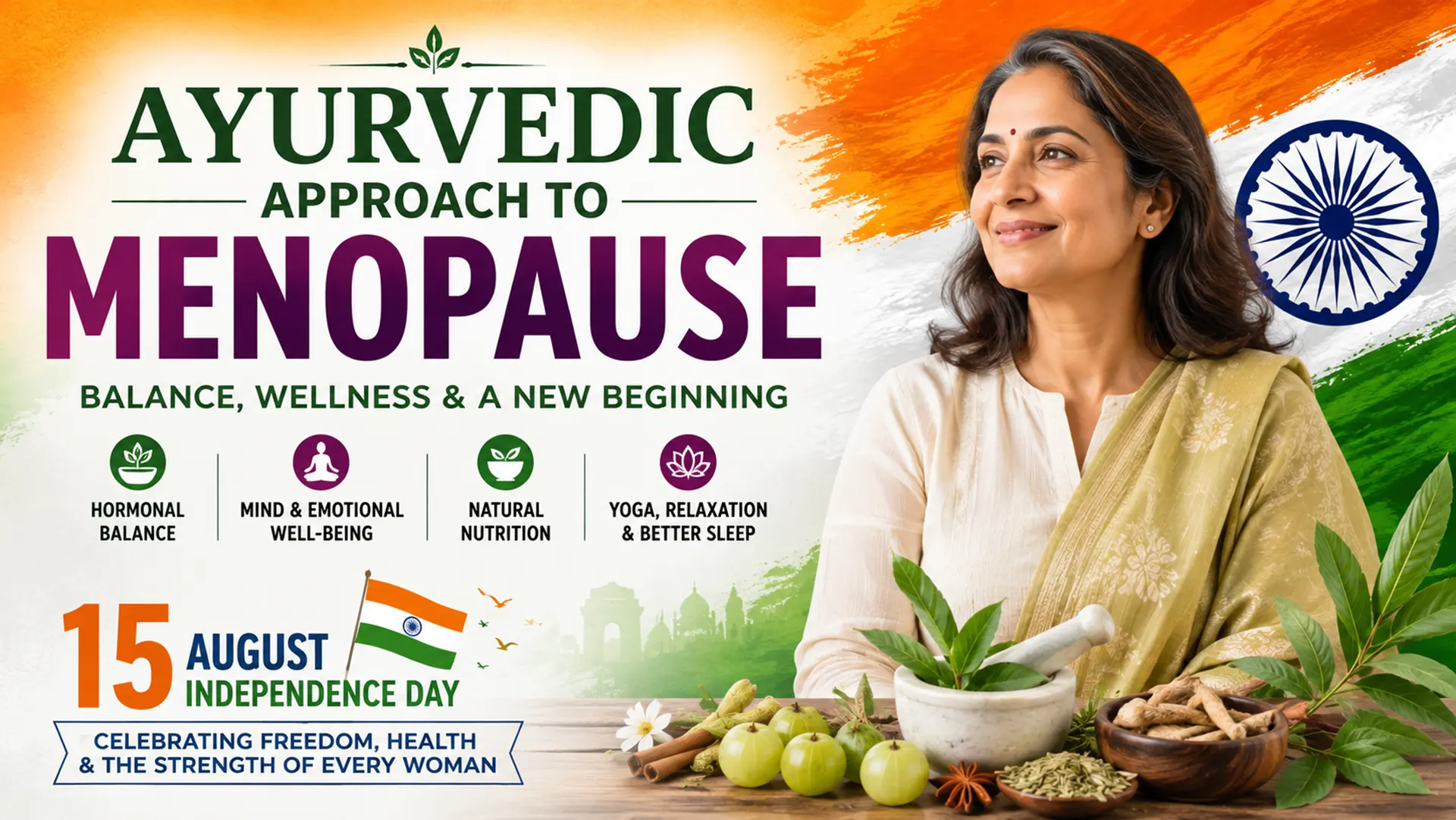
Ayurvedic Approach to Menopause | Natural Women’s Wellness.
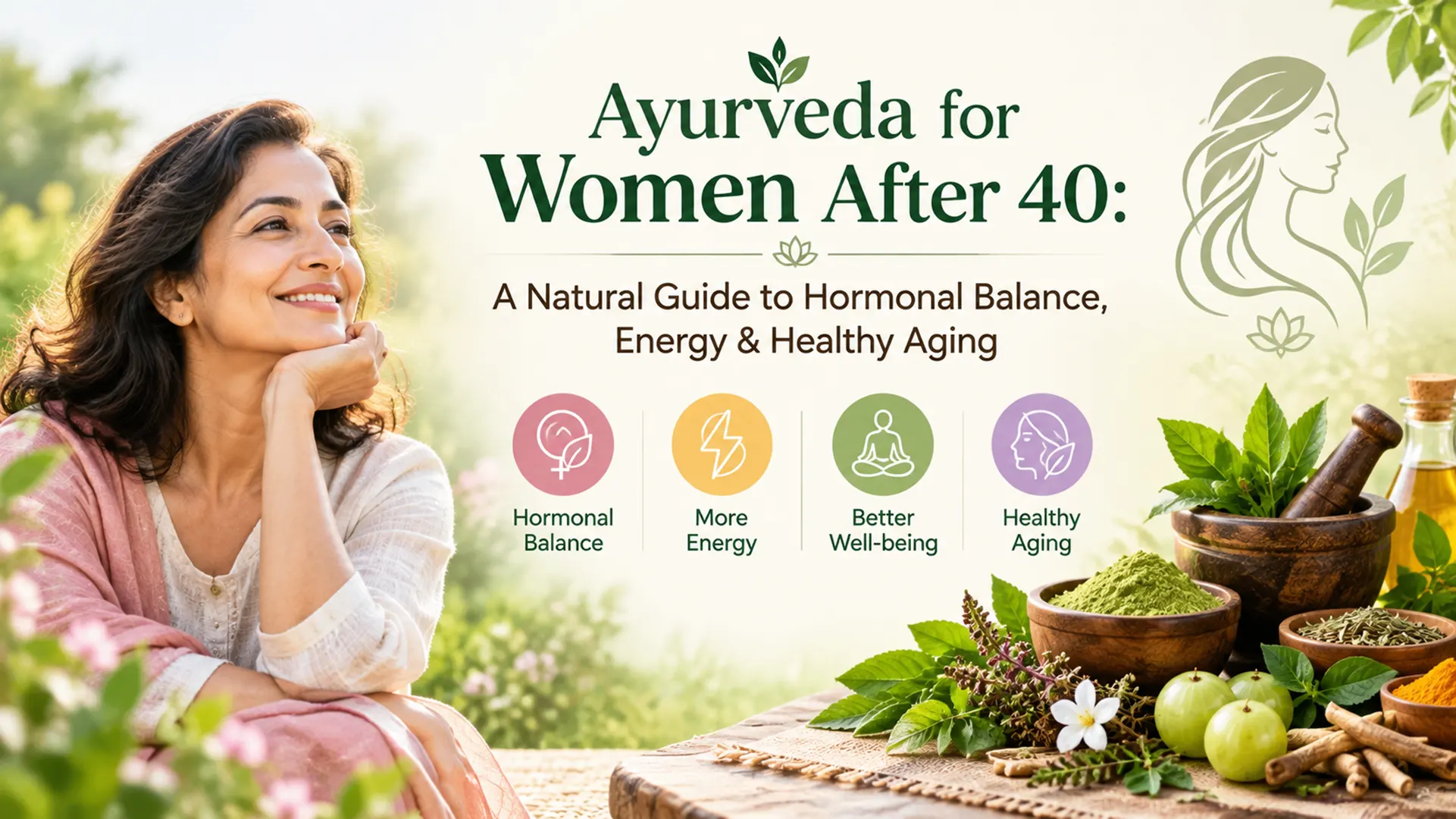
Menopause is a natural stage in a woman’s life and marks the end of her reproductive years. It is not a disease or illness, but a biological transition that can bring physical, emotional and psychological changes. Natural menopause generally occurs between the ages of 45 and 55, although the timing can vary considerably from woman to woman. The years surrounding menopause, known as perimenopause, may involve changes in menstrual cycles, hot flashes, night sweats, sleep difficulties, mood changes and vaginal dryness. Reference: World Health Organization (WHO) – Menopause WHO – Menopause
For many women, menopause can be a challenging period because several changes may occur simultaneously. Hormonal changes can influence sleep, mood, body composition, bone health and cardiovascular health. However, menopause can also be viewed as an opportunity to reassess lifestyle, nutrition, physical activity, emotional well-being and long-term health goals. The World Health Organization emphasizes that menopause should be considered as one stage within a woman’s overall life course and healthy ageing journey. Reference: World Health Organization – Menopause WHO Menopause Information
Understanding Menopause and Perimenopause
Menopause is considered to have occurred when a woman has gone through 12 consecutive months without menstruation, provided there is no other physiological or medical explanation. Perimenopause, or the menopausal transition, can begin several years before the final menstrual period. During this period, hormone levels fluctuate and menstrual cycles may become irregular. Some women experience significant symptoms, while others experience very few changes. Reference: World Health Organization (WHO) – Menopause WHO – Menopause Fact Sheet
Common menopause-related symptoms include hot flashes, night sweats, difficulty sleeping, mood changes, anxiety, vaginal dryness, discomfort during sexual intercourse and urinary symptoms. Changes in bone density and cardiovascular risk are also important considerations after menopause. Because symptoms can vary widely, menopause care should be individualized rather than based on a single approach for every woman. Reference: World Health Organization (WHO) – Menopause WHO – Menopause
The Ayurvedic View of Menopause
Ayurveda approaches health through balance, appropriate lifestyle, nutrition, digestion, rest and individualized care. Menopause is not described in Ayurveda in exactly the same way as modern medicine describes hormonal menopause, so Ayurvedic concepts should not be presented as a direct medical equivalent of modern endocrinology.
Traditionally, Ayurveda considers the later stages of life to be increasingly influenced by Vata dosha, characterized by qualities such as dryness, lightness, mobility and variability. From this traditional perspective, maintaining routine, nourishment, adequate rest, warmth, relaxation and physical activity may be especially valuable during the menopausal transition.
An Ayurvedic approach therefore focuses less on viewing menopause as something that must simply be “cured” and more on supporting overall physical and mental well-being during a natural stage of life.
At the same time, scientific evidence for many Ayurvedic herbs and supplements specifically for menopause remains limited. Natural products should therefore be considered carefully and should not automatically replace evidence-based medical treatment. Reference: NCCIH – Menopausal Symptoms: In Depth NCCIH – Menopausal Symptoms
Ayurvedic Diet for Menopausal Wellness
Nutrition is one of the most practical areas where Ayurvedic principles can complement modern healthy-living recommendations. A balanced diet containing vegetables, fruits, whole grains, pulses, nuts, seeds and appropriate sources of protein can help support overall health during menopause.
Rather than following extreme diets, women can focus on fresh, minimally processed and nutritionally diverse foods. Adequate protein is particularly important as maintaining muscle mass becomes increasingly important with age. Calcium and vitamin D are also important considerations because bone health becomes increasingly relevant around and after menopause.
A nourishing dietary pattern should be adapted to individual needs, food preferences, digestive tolerance and any medical conditions. Women with specific nutritional requirements should consult a qualified healthcare professional or registered dietitian.
Supporting Healthy Digestion
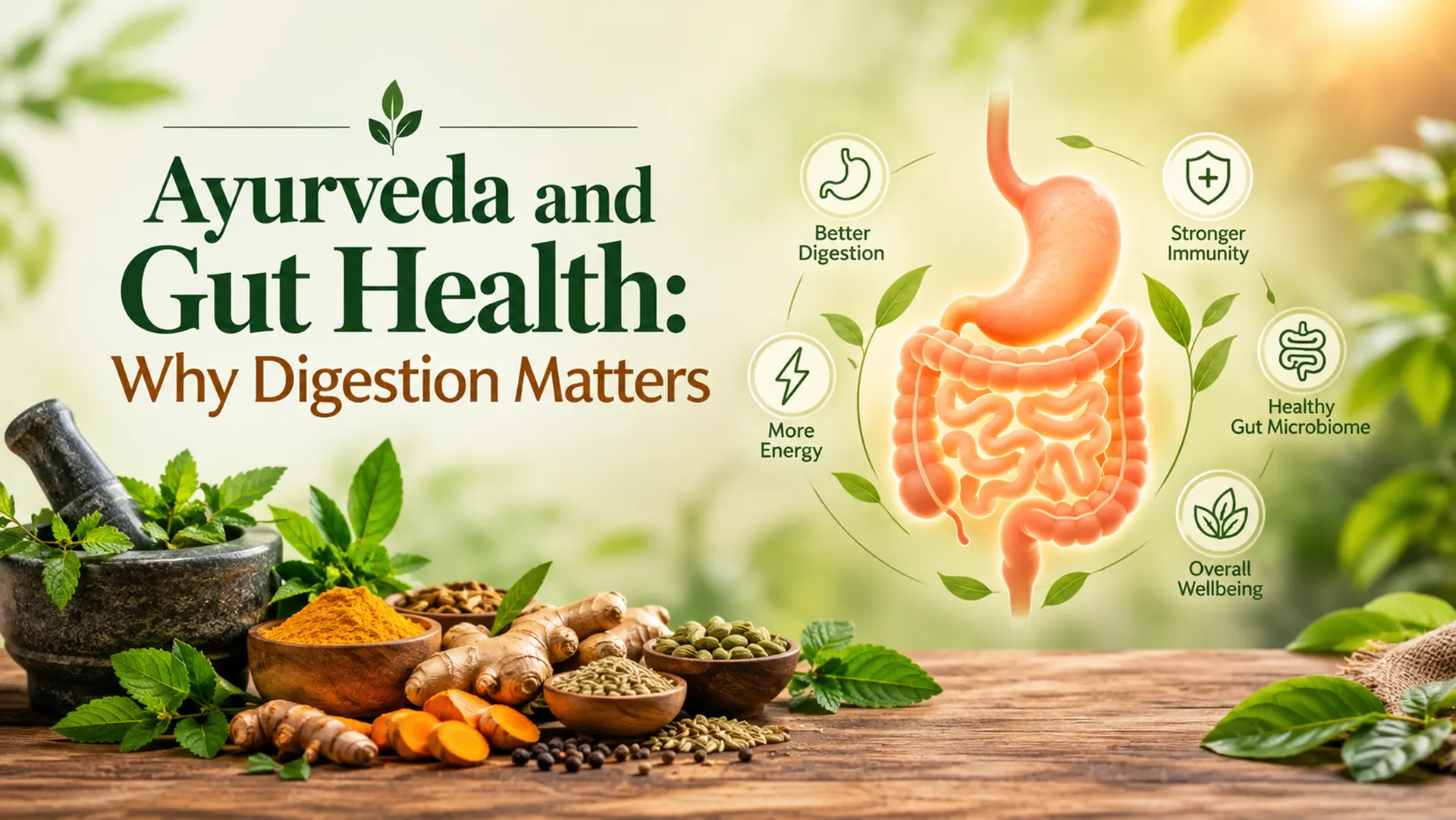
Ayurveda places considerable importance on Agni, traditionally associated with digestion and metabolism. From an Ayurvedic wellness perspective, maintaining regular eating habits and avoiding excessive overeating can support comfortable digestion.
Simple practices may include eating meals at consistent times, choosing freshly prepared foods, eating mindfully and avoiding foods that an individual knows cause digestive discomfort. Traditional Indian spices such as cumin, coriander, fennel, ginger and turmeric can be incorporated into everyday meals according to personal preference.
These ingredients should be viewed as components of a healthy dietary pattern rather than as proven treatments for menopause symptoms.
Herbs and Traditional Ayurvedic Women’s Wellness
Ayurveda has a long tradition of using herbs in women’s wellness. Shatavari (Asparagus racemosus) is one of the herbs traditionally associated with female health and reproductive wellness. Other Ayurvedic herbs and formulations may also be used traditionally according to an individual’s constitution and health requirements.
However, it is important to distinguish traditional use from scientifically established clinical effectiveness. Evidence for natural products and dietary supplements in treating menopause symptoms remains inconsistent, and long-term safety information is limited for many products. Some supplements can also interact with prescription medicines. Reference: NCCIH – Menopausal Symptoms and Complementary Health Approaches NCCIH – Complementary Health Approaches for Menopause
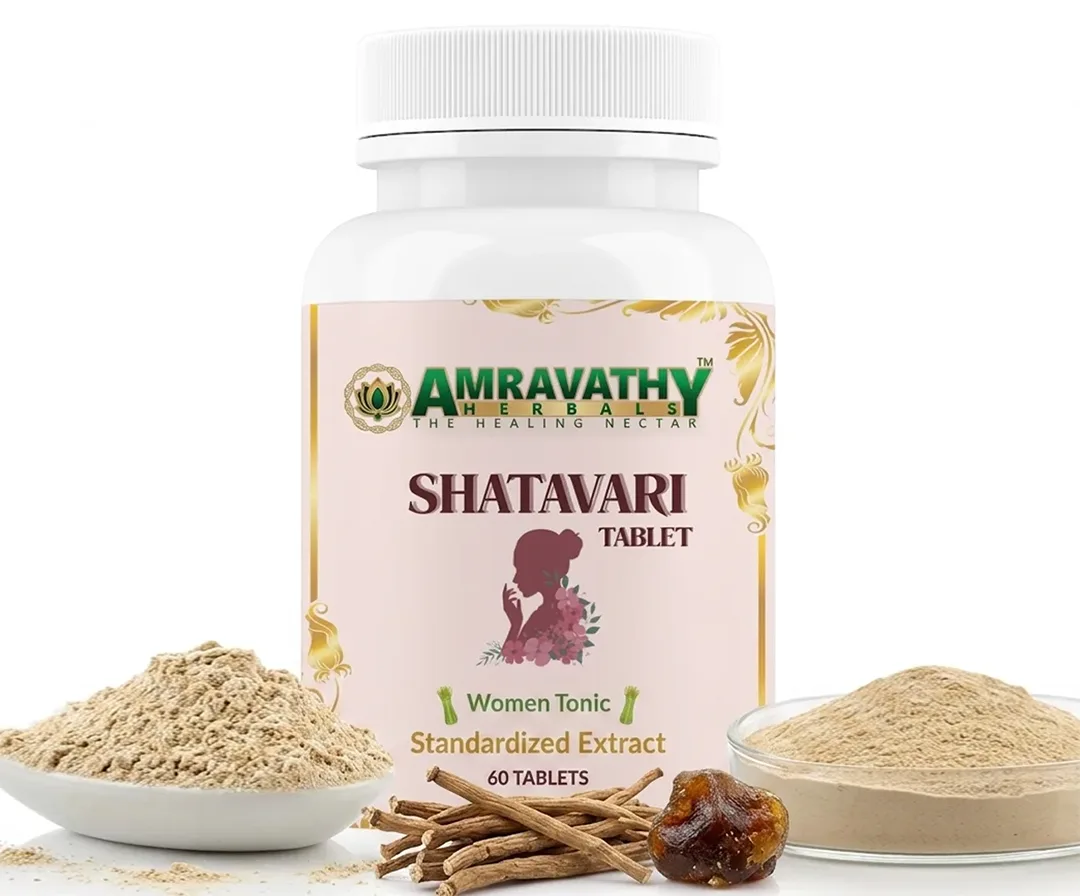
Shatavari Tablets 500mg – Ayurvedic Women Tonic for Hormone Balance, Fertility & Immunity
Support women’s wellness naturally with Shatavari Tablets. This Ayurvedic formula helps balance hormones, improve reproductive health, support lactation, and boost immunity.
Therefore, women considering Ayurvedic herbal supplements should choose products from reputable manufacturers and discuss their use with a qualified Ayurvedic practitioner or healthcare professional, especially when taking medicines or managing an existing medical condition.
Yoga and Exercise During Menopause
Regular physical activity is an important part of healthy ageing. Walking, yoga, strength training, swimming, cycling and other appropriate forms of exercise can support cardiovascular fitness, muscle strength, mobility and overall quality of life.
Yoga can be particularly useful because it combines physical postures, movement, breathing and relaxation. Research reviewed by the National Center for Complementary and Integrative Health suggests that yoga may reduce certain physical and psychological menopause symptoms and appears to be at least as effective as other forms of exercise for menopause symptom management. Reference: NCCIH – Yoga: Effectiveness and Safety NCCIH – Yoga and Menopause
A practical routine could include regular walking, gentle yoga, mobility exercises and resistance training. Women who have medical conditions, significant joint problems or other limitations should choose exercise appropriate to their circumstances and seek professional guidance when necessary.
Managing Stress Naturally
Menopause can coincide with demanding responsibilities at home, work and within family life. Hormonal changes combined with stress may make some symptoms feel more difficult to manage.
Ayurvedic lifestyle principles emphasize regular daily routines and adequate rest. Practices such as meditation, controlled breathing, mindfulness and gentle yoga may help create periods of relaxation during a busy day.
Research on mind-body approaches for menopause is still developing, but NCCIH reports that mindfulness meditation and certain other mind-body practices may help with aspects such as stress, sleep and the perceived burden of symptoms. Reference: NCCIH – Menopausal Symptoms: In Depth NCCIH – Menopausal Symptoms Research
Improving Sleep During Menopause
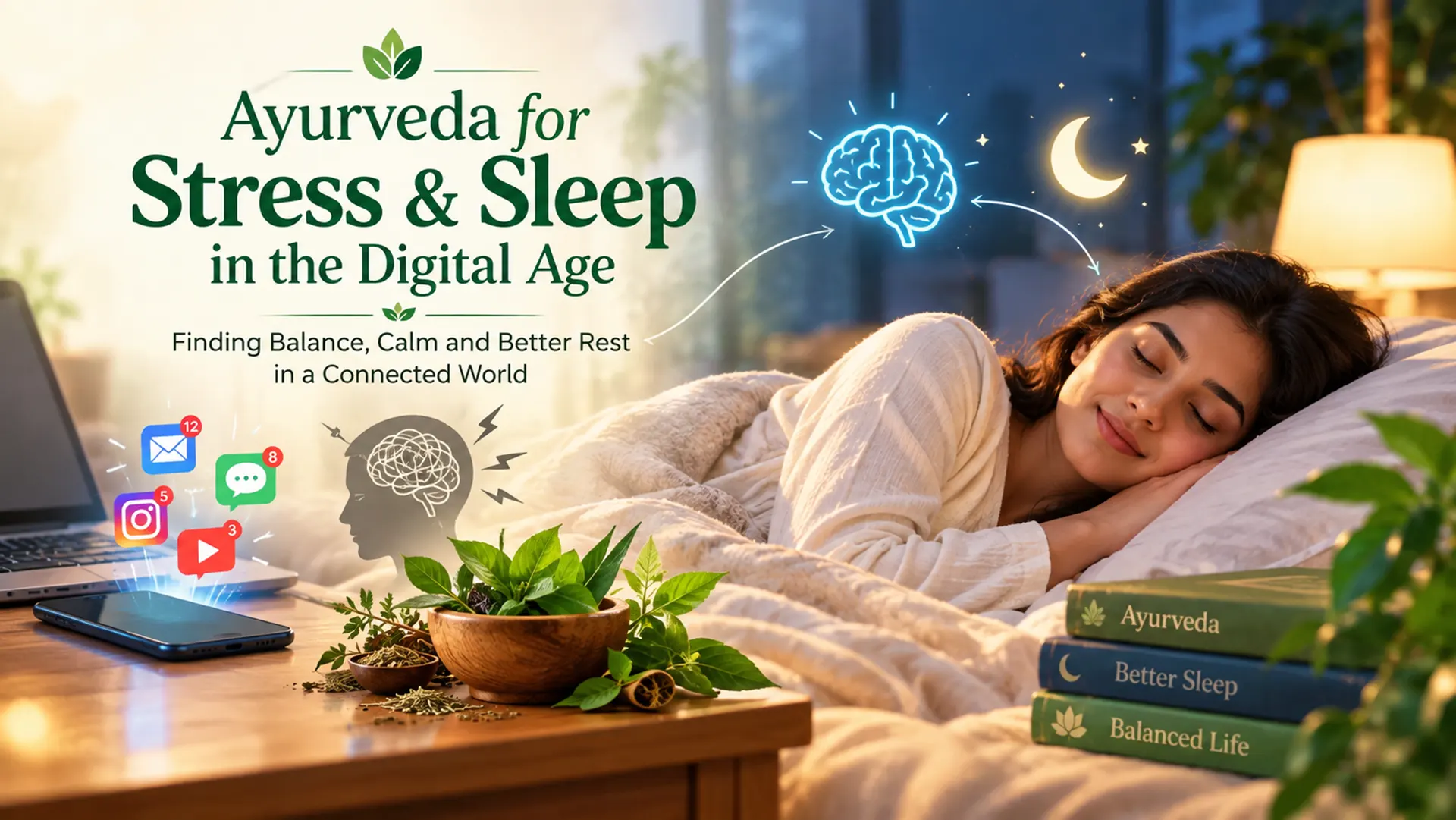
Sleep problems are common during the menopausal transition. Night sweats and hot flashes can interrupt sleep, while stress, anxiety and changes in routine can make falling asleep more difficult. Poor sleep can subsequently affect mood, concentration, energy and quality of life. Reference: World Health Organization – Menopause WHO – Menopause
An Ayurvedic-inspired bedtime routine can focus on consistency and relaxation. Going to bed and waking at similar times, reducing excessive screen exposure before bed, practicing gentle breathing and maintaining a comfortable sleeping environment may support better sleep habits.
If persistent insomnia is significantly affecting daily life, it should be discussed with a healthcare professional rather than automatically attributed to menopause.
Managing Hot Flashes and Night Sweats
Hot flashes are among the most recognizable symptoms associated with menopause. They may cause a sudden sensation of heat, sweating, flushing and physical discomfort. Some women experience them occasionally, while others experience frequent episodes that interfere with daily activities and sleep. Reference: World Health Organization – Menopause WHO – Menopause Fact Sheet
Lifestyle strategies may help some women identify and manage individual triggers. Keeping the bedroom cool, wearing breathable clothing and identifying foods or beverages that appear to trigger symptoms can be useful practical measures.
Complementary approaches should be approached realistically. NCCIH reports that many natural products marketed for menopause have not been clearly shown to relieve symptoms, while yoga and some mind-body approaches have shown more promising evidence. Reference: NCCIH – Menopausal Symptoms: In Depth NCCIH – Menopausal Symptoms
Supporting Bone Health
Bone health deserves particular attention during and after menopause. The decline in estrogen associated with menopause contributes to bone loss, which can increase the risk of osteoporosis and fractures. Reference: World Health Organization – Menopause WHO – Menopause
Weight-bearing physical activity, resistance training, adequate protein and appropriate calcium and vitamin D intake can form part of a healthy bone-supporting lifestyle. Depending on age and individual risk factors, a healthcare provider may recommend bone-density assessment.
An Ayurvedic wellness approach can complement these habits by emphasizing regular movement, balanced nutrition and attention to healthy ageing.
Supporting Heart Health
Menopause is also a useful time to become more proactive about cardiovascular health. According to WHO, the cardiovascular advantage women have earlier in life gradually diminishes with the significant decline in estrogen following menopause. Reference: World Health Organization – Menopause WHO – Menopause Fact Sheet
A heart-friendly lifestyle includes regular physical activity, a balanced diet, maintaining an appropriate body weight, avoiding tobacco and monitoring important health parameters such as blood pressure, blood glucose and cholesterol when appropriate.
Ayurvedic wellness practices can support healthy lifestyle habits, but they should not replace medical treatment for hypertension, diabetes, high cholesterol or cardiovascular disease.
Ayurveda and Modern Menopause Care
A responsible approach to menopause does not require choosing between traditional wellness and modern healthcare. Ayurveda can contribute lifestyle principles such as mindful eating, regular routines, yoga, relaxation and individualized wellness practices.
Modern healthcare can provide diagnostic assessment, screening and evidence-based treatments when symptoms are severe or significantly affect quality of life. WHO notes that both hormonal and non-hormonal interventions are available for menopause symptoms, and treatment decisions should take individual medical history, preferences and needs into account. Reference: World Health Organization – Menopause WHO – Menopause
This integrated perspective allows women to make informed decisions rather than relying on exaggerated claims about any single therapy.
Why “Natural” Does Not Always Mean “Safe”
One of the most important principles of responsible Ayurvedic wellness is understanding that natural substances can have biological effects. Herbal supplements may cause side effects, interact with medicines or have uncertain long-term safety.
NCCIH specifically advises consumers to discuss complementary health practices with their healthcare providers. The organization also notes that evidence for many natural products used for menopause is limited. Reference: NCCIH – Menopausal Symptoms and Complementary Health Approaches NCCIH – Complementary Health Approaches
Women who are taking prescription medicines, have a history of hormone-sensitive conditions, liver or kidney problems, or other significant health concerns should seek professional advice before taking concentrated herbal supplements.
Menopause and Women’s Independence
There is a meaningful connection between women’s health and the spirit of Independence Day.
India celebrates Independence Day on 15 August, commemorating the country’s independence from British rule in 1947. In 2026, India observes its 80th Independence Day, while 79 years have been completed since independence in 1947. Reference: Indian Express – Independence Day 2026 Indian Express – India’s 80th Independence Day in 2026
Independence is often associated with freedom, courage and the ability to make informed choices. These values can also inspire a broader conversation about women’s health. A woman who understands menopause and knows when to seek professional help is better equipped to make informed decisions about her own well-being.
For generations, women have often remained silent about symptoms related to menstruation, menopause and reproductive health because of social discomfort or stigma. Creating an environment where women can openly discuss these subjects is an important part of building a healthier and more supportive society.
Celebrating the Strength of Indian Women
India’s Independence Day is a time to remember the sacrifices and contributions that shaped the nation. It is also an opportunity to recognize the continuing contribution of women in families, workplaces, education, science, healthcare, entrepreneurship, public service, sports and countless other fields.
Menopause should never be viewed as a loss of productivity, confidence or identity. It is a natural transition, and women can continue to lead fulfilling personal and professional lives throughout and after this stage.
The WHO emphasizes that menopause can affect women’s physical, emotional, mental and social well-being and that appropriate support and healthcare can help women maintain quality of life. Reference: World Health Organization – Menopause WHO – Menopause and Women’s Well-being
A Simple Ayurvedic-Inspired Menopause Wellness Routine
A practical daily routine can begin with gentle movement, hydration and a nutritious breakfast. During the day, women can focus on balanced meals, adequate protein, vegetables, whole grains, nuts and seeds, while staying physically active and taking breaks from prolonged sitting.
In the evening, reducing excessive screen exposure and creating time for relaxation may help prepare the body and mind for sleep. Gentle yoga, breathing exercises or meditation can become simple additions to an evening routine.
The most important principle is consistency. A simple routine that can be followed comfortably every day is generally more practical than a complicated wellness program that is difficult to maintain.
Independence Day: A Message of Health and Empowerment
As India celebrates 15 August, let us celebrate not only the freedom of our nation but also the strength, knowledge and independence of Indian women.
Women’s health deserves open conversations, reliable information and access to appropriate healthcare. Menopause should be discussed without embarrassment and approached with understanding rather than fear.
This Independence Day, let us encourage every woman to take charge of her health, listen to her body, seek reliable guidance and embrace every stage of life with confidence.
Conclusion
Menopause is not the end of vitality—it is the beginning of another important chapter of life. With appropriate nutrition, regular movement, good sleep habits, stress management and professional healthcare when needed, women can navigate menopause with confidence and continue to enjoy an active and fulfilling life.
Ayurveda offers a traditional wellness perspective that emphasizes balance, daily routine, nourishment and mind-body well-being. Yoga, meditation, mindful eating and other healthy lifestyle practices can complement modern menopause care. However, claims surrounding herbal supplements should be evaluated carefully because scientific evidence for many natural products remains limited. Reference: NCCIH – Menopausal Symptoms: In Depth NCCIH – Menopausal Symptoms
This 15 August, let the message be one of freedom, awareness and empowerment: a healthy woman is an empowered woman, and an empowered woman contributes to a stronger family, community and India. 🇮🇳
Medical Disclaimer
This article is intended for general educational and wellness purposes only. It is not a substitute for professional medical diagnosis, treatment or individualized healthcare advice. Ayurvedic herbs and supplements should be used responsibly and, where appropriate, under the guidance of a qualified Ayurvedic practitioner or healthcare professional. Women experiencing severe, persistent or unusual symptoms should consult an appropriate healthcare provider.