

Ayurvedic Approach to Alzheimer’s Disease and Dementia: A Holistic Guide to Brain Health

Alzheimer’s disease and dementia are increasingly important health concerns as people live longer. Memory loss, confusion, difficulty concentrating, changes in behaviour and problems performing everyday activities can affect not only the individual but also family members and caregivers. This has led many people to explore complementary approaches such as Ayurveda, yoga, meditation, nutrition and herbal wellness practices alongside modern medical care.
Ayurveda, the traditional system of medicine originating in India, takes a holistic approach to wellbeing. Traditionally, it considers factors such as diet, daily routine, sleep, mental wellbeing, digestion, lifestyle and herbal preparations. Some Ayurvedic herbs have also been studied scientifically for their possible relationship with cognitive health. However, current evidence does not establish Ayurveda or Ayurvedic herbs as a cure for Alzheimer’s disease or dementia. They should be considered complementary approaches and should not replace medical diagnosis or prescribed treatment. Reference: National Center for Complementary and Integrative Health – Ayurvedic Medicine
What Are Alzheimer’s Disease and Dementia?
Dementia is not a single disease. It is a broad term describing problems with memory, thinking, reasoning and the ability to perform everyday activities. Alzheimer’s disease is the most common form of dementia and is estimated by the World Health Organization to account for approximately 60–70% of dementia cases worldwide. Reference: World Health Organization – Dementia
Alzheimer’s disease is a progressive neurological condition. Symptoms can develop gradually and may include forgetting recently learned information, repeating conversations, difficulty finding words, becoming confused about time or place, difficulty managing familiar activities and changes in mood or personality. However, experiencing occasional forgetfulness does not automatically mean that someone has Alzheimer’s disease. Different medical, psychological and lifestyle factors can contribute to memory problems, making professional evaluation important. Reference: National Institute on Aging – Memory Problems, Forgetfulness, and Aging
Understanding Alzheimer’s Through a Holistic Perspective
The Ayurvedic approach traditionally looks beyond an individual symptom and considers the person’s overall state of wellbeing. Factors such as age, daily routine, food habits, sleep, stress, activity levels and mental wellbeing may all be considered when developing an individual wellness plan.
Traditional Ayurvedic literature contains concepts related to Medhya Rasayana, a category of traditional approaches associated with intellect, memory and mental function. Several herbs traditionally used in Ayurveda have subsequently attracted scientific interest because of their potential effects on cognition and neurological health.
However, traditional use and scientific evidence are not the same thing. An herb may have a long history of traditional use without having sufficient clinical evidence to prove that it can treat a specific disease. This distinction is particularly important when discussing Alzheimer’s disease and dementia.
Brahmi and Cognitive Health
Brahmi, commonly identified as Bacopa monnieri, is one of the most widely discussed Ayurvedic herbs in relation to memory and cognitive function. Traditionally, Bacopa has been used in Ayurvedic practices associated with memory, learning and mental performance.
Modern researchers have investigated Bacopa in human studies, including studies involving healthy adults and people with cognitive impairment. However, evidence specifically concerning Alzheimer’s disease remains limited.
A 2022 systematic review examined randomized controlled trials investigating Bacopa monnieri in people with Alzheimer’s disease or mild cognitive impairment associated with Alzheimer’s disease. The review included five eligible studies and found considerable methodological limitations. The researchers rated the overall certainty of evidence as very low and concluded that there was no reliable evidence demonstrating a difference between Bacopa and placebo or donepezil for the treatment of Alzheimer’s disease. Reference: PubMed – Use of Bacopa monnieri in the Treatment of Dementia Due to Alzheimer Disease
This means Brahmi should not be marketed as an established treatment for Alzheimer’s disease. It may be an interesting subject for further research into cognitive wellness, but stronger and larger clinical studies are required before firm conclusions can be made.
Ashwagandha and Healthy Ageing
Ashwagandha (Withania somnifera) is another traditional Ayurvedic herb that has attracted modern scientific interest. It has traditionally been used in Ayurveda in connection with vitality, resilience and general wellbeing.
Research into Ashwagandha has explored areas including stress, sleep and psychological wellbeing. These areas are relevant to healthy ageing because sleep quality and psychological wellbeing can influence everyday concentration and quality of life.
However, evidence that Ashwagandha can prevent, treat or reverse Alzheimer’s disease is currently insufficient. Therefore, it is more appropriate to discuss Ashwagandha in the context of general wellness rather than as an Alzheimer’s treatment. People taking medicines should consult a healthcare professional before using herbal supplements because interactions are possible.
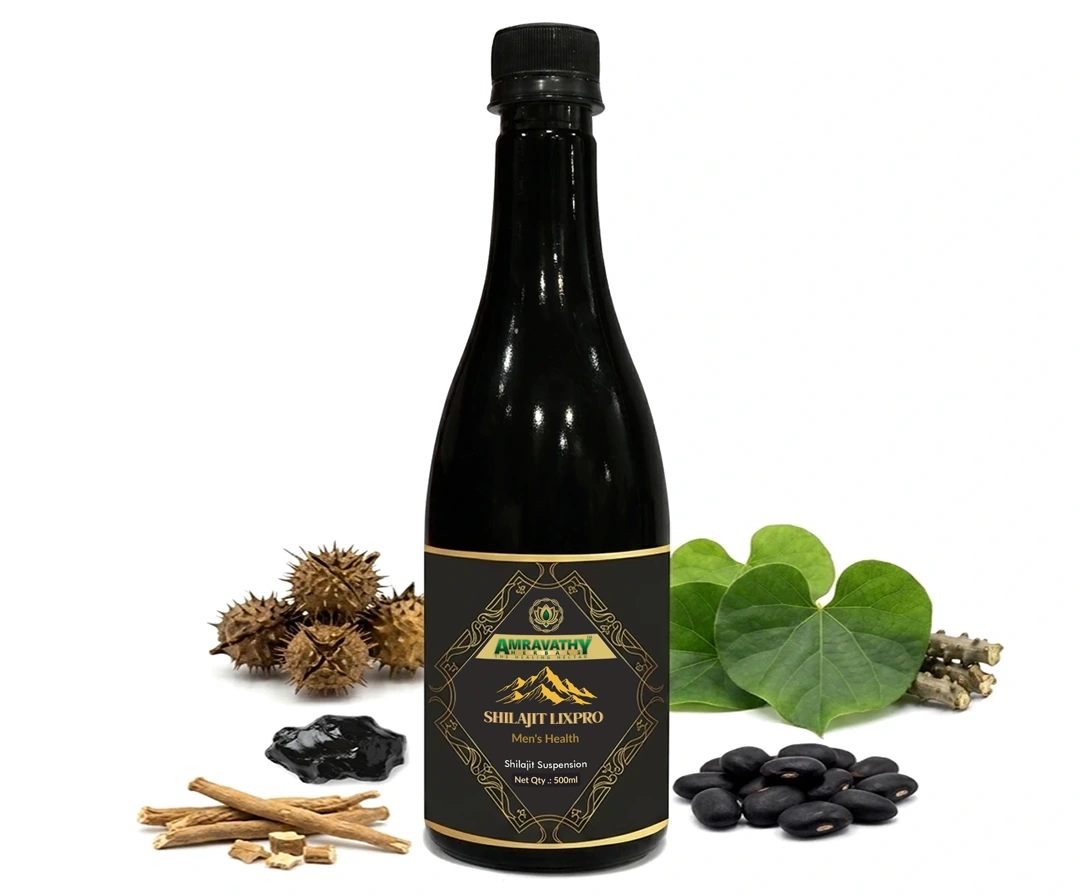
Shilajit LixPro Men’s Health Syrup – Energy, Stamina & Testosterone booster (500ml)
Your daily energy, stamina, vitality and testosterone booster with Amravathy Herbals Shilajit LixPro Men’s Health Syrup. Formulated with powerful Ayurvedic ingredients like Shilajit, Ashwagandha, Gokshur, and Safed Musli, this herbal tonic supports testosterone levels, reduces stress, and enhances overall male performance.
Turmeric and Brain Wellness
Turmeric (Curcuma longa) is another traditional Indian ingredient that has received considerable scientific attention. Curcumin, one of turmeric’s major compounds, has been studied for its biological effects, including pathways associated with inflammation and oxidative stress.
Although laboratory and early-stage research has generated interest in curcumin and brain health, laboratory findings do not automatically demonstrate that turmeric or curcumin can prevent or treat Alzheimer’s disease in humans. High-quality clinical evidence is necessary before making therapeutic claims.
Therefore, turmeric can reasonably be discussed as part of a balanced dietary pattern, but it should not be presented as a proven cure or reversal therapy for dementia.

Turmericglo Turmeric LT Tablets – Ayurvedic Immunity Booster | Turmeric & Herbal Anti-Inflammatory Supplement
Tumericglo Tablet is a powerful Ayurvedic formulation enriched with Turmeric, Ginger, Cinnamon, and Cardamom to naturally strengthen immunity, reduce inflammation, and support digestion. Ideal for daily wellness and seasonal protection.
The Importance of an Ayurvedic Daily Routine
One of the most practical aspects of Ayurveda is its traditional emphasis on dinacharya, or a structured daily routine. From a modern health perspective, maintaining regular sleep, physical activity, nutritious eating and meaningful daily activities can contribute to overall wellbeing.
Current dementia research increasingly recognizes the importance of lifestyle and behavioural factors. The World Health Organization’s updated 2026 guidelines recommend a range of measures related to healthy behaviours and management of health conditions associated with dementia risk. Reference: WHO – Risk Reduction of Cognitive Decline and Dementia, Second Edition
An Ayurvedic-inspired lifestyle can therefore complement modern healthy-ageing recommendations by encouraging consistency, moderation, adequate rest and attention to overall wellbeing.
Physical Activity and Brain Health
Regular physical activity is important for cardiovascular and general health and may also contribute to healthier ageing. Walking, yoga, stretching, gardening and other appropriate forms of movement can help people remain physically active according to their abilities.
The National Institute on Aging reports that researchers are studying physical activity, blood-pressure management, cognitive training, sleep and dietary interventions as possible approaches to reducing dementia risk and supporting brain health. Reference: National Institute on Aging – Lifestyle, Behavior, and Cognitive Training Intervention Research
For older adults, exercise should be appropriate to their physical condition. Anyone with significant medical conditions or mobility problems should seek professional advice before beginning a new exercise programme.
Yoga and Gentle Movement
Yoga can combine gentle physical movement, breathing practices and relaxation. For older adults, modified yoga or gentle stretching may provide an enjoyable way to remain active, depending on individual physical ability.
It is important, however, not to describe yoga as a treatment that cures Alzheimer’s disease. Its potential role is better understood as part of a broader lifestyle that may support physical activity, relaxation and quality of life.
For people with balance problems or advanced dementia, yoga and other physical activities should be adapted and supervised appropriately to reduce the risk of falls.
Sleep and Cognitive Wellness
Sleep is another important component of healthy ageing. Poor or disrupted sleep can affect concentration, mood and daytime functioning. Establishing a regular sleep schedule and creating a comfortable sleeping environment may support overall wellbeing.
The National Institute on Aging identifies sleep as one of the lifestyle factors relevant to brain health and dementia research. For people already living with dementia, sleep disturbances can also become an important caregiving challenge and may require professional assessment. Reference: National Institute on Aging – Tips for Living Alone With Early-Stage Dementia
Nutrition and an Ayurvedic Approach
Ayurveda traditionally places considerable importance on food and digestion. From a modern nutritional perspective, a balanced diet containing vegetables, fruits, whole grains, legumes, nuts, seeds and appropriate protein sources can support general health.
There is increasing scientific interest in dietary patterns and their potential relationship with cognitive health. However, no individual food, spice or supplement should be promoted as a guaranteed method of preventing Alzheimer’s disease.
The National Institute on Aging notes that researchers are studying diet and dietary patterns in relation to Alzheimer’s disease, while emphasizing that more research is required to determine which dietary approaches may influence dementia risk. Reference: National Institute on Aging – Diet and Prevention of Alzheimer’s Disease
Mental Stimulation and Cognitive Engagement
Keeping the mind engaged is another useful part of healthy ageing. Activities such as reading, learning a new skill, listening to music, playing an instrument, gardening, writing, puzzles and hobbies can provide meaningful mental stimulation.
For individuals already living with Alzheimer’s disease, activities should be adapted to their abilities and interests. The National Institute on Aging recommends choosing activities that are enjoyable, achievable and appropriate to the person’s current abilities rather than creating unnecessary frustration. Reference: National Institute on Aging – Adapting Activities for People With Alzheimer’s Disease
Cognitive stimulation should therefore be viewed as a way of maintaining engagement and quality of life rather than as a cure for dementia.
Social Connection and Emotional Wellbeing
Social interaction is another important component of healthy ageing. Spending time with family members, friends and community groups can provide emotional support and meaningful engagement.
Social isolation is among the modifiable factors associated with dementia risk. WHO’s 2026 recommendations include social engagement and cognitive stimulation among interventions relevant to reducing the risk of cognitive decline and dementia. Reference: WHO – New Guidelines on Dementia Risk Reduction
For people living with dementia, familiar social environments can also provide comfort and help maintain a sense of belonging.
Managing Stress
Stress management is frequently emphasized in holistic health traditions. Practices such as meditation, controlled breathing, gentle yoga, relaxing music, spending time in nature and maintaining a predictable daily routine may support emotional wellbeing.
These practices should not be described as treatments for Alzheimer’s disease. Instead, they may be incorporated into a broader approach to maintaining quality of life and managing everyday stress.
For individuals experiencing persistent anxiety, depression, agitation or behavioural changes, professional evaluation is important because these symptoms may require specific medical or psychological support.
Cardiovascular Health and Dementia Risk
Brain health and cardiovascular health are closely connected. Conditions such as high blood pressure, diabetes, high cholesterol, obesity and physical inactivity are among the factors associated with dementia risk.
WHO’s updated 2026 guidelines recommend addressing cardiovascular and metabolic risk factors as part of dementia risk reduction. The organization specifically highlights management of conditions such as hypertension, diabetes and high cholesterol, together with physical activity, healthy eating and smoking cessation. Reference: WHO – Dementia Risk Reduction Guidelines 2026
This is an area where an Ayurvedic-inspired lifestyle and modern preventive healthcare can work together. Healthy eating, regular movement, adequate sleep and stress management can complement appropriate medical management of diagnosed health conditions.
Can Ayurveda Prevent Alzheimer’s Disease?
It is important to be scientifically responsible when discussing prevention. There is currently no Ayurvedic treatment proven to prevent Alzheimer’s disease.
The National Institute on Aging advises caution regarding unproven products marketed as memory enhancers or dementia-prevention treatments. Some supplements may be ineffective, unsafe or capable of interacting with other medicines. Reference: National Institute on Aging – Memory Problems, Forgetfulness, and Aging
At the same time, evidence increasingly supports addressing modifiable lifestyle and health factors. WHO’s 2026 guidelines state that a substantial proportion of dementia risk may be associated with potentially modifiable factors and recommend healthy behaviours and management of conditions such as hypertension and diabetes. Reference: WHO – Up to 45% of Dementia Risk Could Be Prevented or Delayed
Therefore, the most responsible Ayurvedic approach is not to promise prevention through a particular herb, but to encourage a comprehensive healthy lifestyle alongside appropriate medical care.
Ayurvedic Herbs: Important Safety Considerations
People often assume that natural products are automatically safe. This is not necessarily true. Herbal products can have side effects, interact with medicines or vary in quality.
The National Center for Complementary and Integrative Health notes that some Ayurvedic preparations have been found to contain potentially harmful levels of heavy metals, including lead, mercury and arsenic. This makes product quality, manufacturing standards and appropriate testing particularly important. Reference: NCCIH – Ayurvedic Medicine in Depth
Older adults may also take several prescription medicines at the same time. Before using an Ayurvedic supplement, particularly for someone with dementia or another chronic health condition, it is important to discuss the product and ingredients with a qualified healthcare professional.
Ayurveda Should Complement Medical Treatment
A diagnosis of Alzheimer’s disease requires appropriate medical evaluation and ongoing care. Modern medicine includes approved medicines that can help manage symptoms and, for some patients, medicines that target aspects of Alzheimer’s disease. There is currently no universally effective cure for Alzheimer’s disease. Reference: National Institute on Aging – How Is Alzheimer’s Disease Treated?
For this reason, Ayurveda should not be used as a substitute for prescribed treatment. A complementary approach may instead focus on healthy lifestyle practices, nutrition, physical activity, sleep, relaxation, social engagement and carefully considered traditional wellness practices.
The goal should be integrative care rather than choosing between traditional and modern medicine.
A Simple Ayurvedic-Inspired Brain Wellness Routine
A practical routine can bring together traditional wellness principles and modern brain-health recommendations.
Morning
Start the day at a consistent time. Gentle stretching, walking, breathing exercises or appropriately modified yoga can provide physical activity. Follow this with a nutritious breakfast and adequate hydration.
Daytime
Remain physically active and participate in meaningful activities. Reading, gardening, household tasks, music, creative activities and social interaction can help structure the day.
Meals
Focus on a varied and balanced diet rather than relying on a single herb or supplement. Include vegetables, fruits, whole grains, legumes, nuts, seeds and suitable protein sources.
Evening
Reduce unnecessary stimulation and maintain a relaxing evening routine. Going to bed and waking up at consistent times may help support healthy sleep habits.
Throughout the Day
Take prescribed medicines as directed, monitor diagnosed health conditions and maintain regular medical appointments. If herbal supplements are being considered, discuss them with a healthcare professional first.
This type of routine is not a treatment for Alzheimer’s disease. Instead, it represents a practical approach to healthy ageing, overall wellbeing and brain-health support.
When Should You Seek Medical Advice?
Memory changes that are persistent, progressive or interfere with everyday life should not simply be attributed to normal ageing.
Medical evaluation is particularly important if someone begins experiencing difficulty managing money, taking medicines, cooking, driving, shopping, communicating, recognizing familiar places or completing routine personal-care activities.
Identifying the cause of memory problems is important because some causes may be treatable or manageable. The National Institute on Aging recommends discussing memory concerns with a healthcare professional rather than relying on unproven memory-enhancement products. Reference: National Institute on Aging – Memory Problems, Forgetfulness, and Aging
The Future of Ayurveda and Alzheimer’s Research
The relationship between traditional medicine and modern neuroscience remains an active research area. Scientists are investigating various plant compounds and traditional formulations for possible effects on cognition, inflammation, oxidative stress and other biological pathways.
Bacopa monnieri is one example where traditional use has led to modern clinical investigation. However, the systematic review of Bacopa in Alzheimer’s disease found only five eligible studies and rated the overall certainty of evidence as very low. The authors called for larger, better-designed randomized controlled trials. Reference: PubMed – Bacopa monnieri and Alzheimer’s Disease Systematic Review
Future research should use standardized herbal preparations, clearly defined doses, larger participant groups, appropriate comparison groups and clinically meaningful outcomes. This will help determine which traditional approaches, if any, may have a meaningful role in dementia care.
Ayurvedic Approach to Alzheimer’s Disease and Dementia: The Bigger Picture
The most useful way to understand Ayurveda in relation to Alzheimer’s disease and dementia is through the concept of whole-person wellbeing.
Rather than relying on one herb or supplement, a holistic approach may encourage healthy eating, regular movement, good sleep, mental stimulation, social interaction, relaxation and responsible use of traditional wellness practices.
Modern research supports many of these lifestyle principles. WHO’s 2026 dementia guidelines recommend a multidimensional approach involving healthy behaviours and management of modifiable health and environmental risk factors. Reference: WHO – Risk Reduction of Cognitive Decline and Dementia, Second Edition
Ayurveda can therefore be explored as a complementary wellness tradition, provided that its limitations are understood and medical care is not delayed or discontinued.
Final Thoughts
The Ayurvedic approach to Alzheimer’s disease and dementia should focus on supporting overall wellbeing rather than promising a cure.
Traditional Ayurvedic practices have long emphasized the importance of balanced routines, appropriate food, mental wellbeing, sleep and herbal preparations. Some herbs, particularly Brahmi, have attracted scientific interest for their potential cognitive effects. Nevertheless, current clinical evidence is not strong enough to establish Ayurvedic herbs as effective treatments for Alzheimer’s disease. Reference: PubMed – Bacopa monnieri in Alzheimer’s Disease
The strongest evidence today supports a broader approach to healthy ageing: staying physically active, eating a balanced diet, maintaining healthy blood pressure and blood sugar, sleeping well, staying socially connected and keeping the mind engaged. WHO’s latest dementia guidance emphasizes these modifiable factors as important components of dementia risk reduction. Reference: WHO – Dementia Risk Reduction Guidelines 2026
For anyone experiencing persistent memory loss or cognitive changes, professional medical evaluation should always come first. Ayurveda may be considered as part of a complementary wellness plan, but it should work alongside—not instead of—evidence-based medical care.
Medical Disclaimer
This article is intended for educational and informational purposes only. It does not diagnose, treat, cure or prevent Alzheimer’s disease, dementia or any other medical condition. Ayurvedic herbs and supplements may have side effects or interact with prescription medicines. Anyone with memory problems, dementia or other medical conditions should consult a qualified healthcare professional before starting any herbal or Ayurvedic treatment. Current scientific evidence does not establish Ayurvedic medicine as a cure for Alzheimer’s disease or dementia. Reference: NCCIH – Ayurvedic Medicine